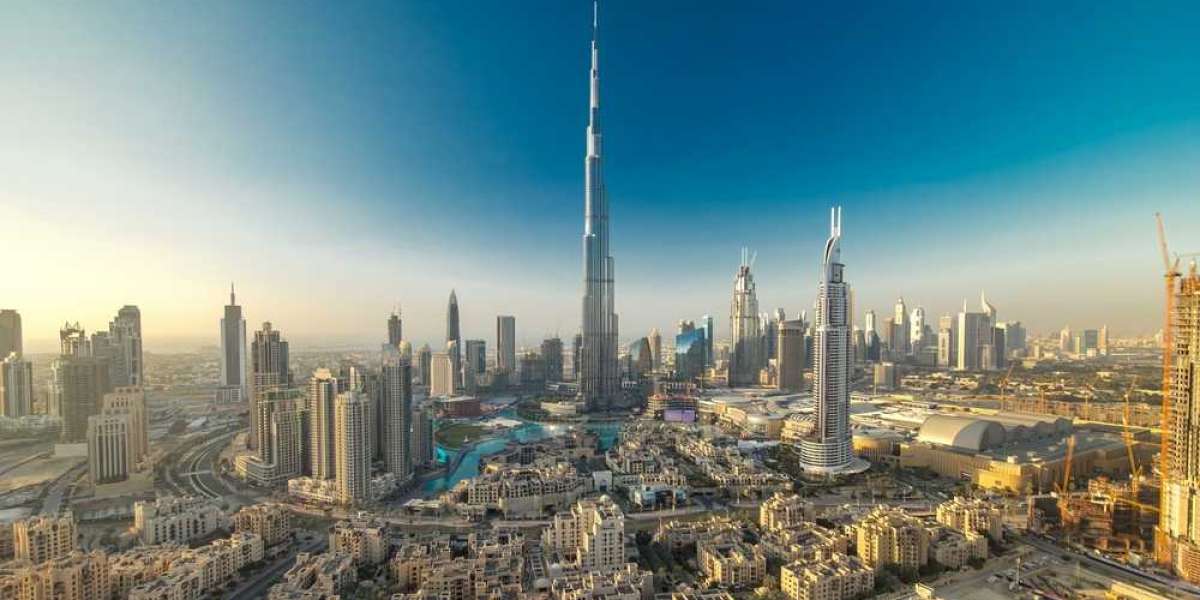

Dubai has become one of the most attractive real estate markets for local and international investors. The city offers a wide range of apartments, villas, townhouses, offices, retail spaces, and other investment properties. Strong infrastructure, international business activity, tourism, population growth, and demand for rental accommodation all contribute to the appeal of Dubai real estate. However, successful investing requires careful research. Before buying a property, investors should understand the location, property prices, rental demand, rental yield, service charges, developer reputation, financing costs, and potential risks.
Why Invest in Dubai Property?
Dubai attracts residents, tourists, entrepreneurs, and companies from around the world, which creates demand for both residential and commercial real estate. Investors can choose between income-focused properties and properties aimed at long-term capital appreciation. The market also provides opportunities at different price levels, making it possible to develop an investment strategy based on available capital and financial goals.
Rental Income and Capital Appreciation
Rental income is one of the main reasons investors consider Dubai real estate. Properties in areas with strong tenant demand can generate regular rental income, although actual returns depend on the purchase price, rent, vacancy, maintenance, service charges, and management expenses. Investors should therefore calculate net rental yield rather than relying only on the gross yield shown in a property advertisement.
Capital appreciation is another important consideration. Property values can be influenced by location, infrastructure, economic activity, supply and demand, and the quality of the surrounding community. However, investors should never assume that property prices will always increase. A realistic investment strategy considers both potential growth and the possibility of market fluctuations.
How to Choose the Right Dubai Property
Choosing the right property starts with understanding your investment objective. If your priority is rental income, focus on properties with strong tenant demand, reasonable purchase prices, and sustainable rental yields. If your primary goal is capital growth, consider locations with established infrastructure, future development, strong demand, and good resale potential. Some investors may prefer a balance between rental income and long-term appreciation.
Research the Location Carefully
Location is one of the most important factors in any real estate investment. Investors should examine access to public transportation, major roads, schools, hospitals, shopping centers, restaurants, business districts, and community facilities. Areas such as Dubai Marina, Downtown Dubai, Business Bay, Jumeirah Village Circle, Dubai Hills Estate, and Jumeirah Lake Towers attract different types of residents and investors.
Instead of judging an area only by its popularity, compare actual property prices and rental demand. A property in a famous location may have a high purchase price that reduces its rental yield, while another community may offer a better balance between acquisition cost and rental income.
Compare Similar Properties
Investors should compare properties within the same community and, where possible, within similar buildings. Compare the unit size, number of bedrooms, floor level, view, building age, facilities, condition, service charges, current rent, and recent market transactions. This process helps determine whether the asking price is reasonable.
Understanding Dubai Property Investment Costs
The purchase price represents only part of the total investment. Buyers may also need to account for Dubai Land Department-related charges, registration expenses, real estate agency fees, mortgage costs, service charges, maintenance, property management, furnishing, insurance, vacancy periods, and future selling expenses.
Calculate Net Rental Yield
Gross rental yield is calculated by dividing annual rental income by the purchase price and multiplying the result by 100. However, this calculation does not include operating expenses. Net rental yield provides a more useful picture because it considers costs such as service charges, maintenance, management, and periods when the property remains vacant.
For example, a property that appears to generate a high gross yield may provide a much lower net return after annual expenses. Investors should calculate these numbers before making a purchase decision and should use realistic rent and expense estimates rather than optimistic projections.
Off-Plan vs Ready Property in Dubai
Off-plan properties are purchased before construction is completed. They can provide access to new developments and structured payment plans, and some investors choose them because they expect the property to appreciate during the development period. However, off-plan investment also involves risks such as construction delays, changes in market conditions, developer performance, and future competition from other projects.
Ready properties offer a different investment profile. Buyers can inspect the actual unit, building, facilities, and surrounding area before completing the purchase. If the property already has a tenant, investors may also review its existing rental history. This can make it easier to assess potential cash flow.
How to Evaluate a Property Developer
The reputation and track record of a developer can be especially important when purchasing an off-plan property. Investors should research previous projects, delivery history, construction quality, customer experience, community management, and post-handover support.
A sales promotion or attractive payment plan should not replace proper due diligence. Investors should review official project information and relevant documentation and verify important claims independently. A reputable developer can reduce certain project-related risks, but no developer can eliminate general market risk.
Due Diligence Before Buying
Due diligence is an essential part of property investment. Investors should verify the property's ownership and relevant documents and carefully review the sale agreement, payment schedule, service charges, and any outstanding obligations. For a resale property, the buyer should also examine the property's physical condition and existing tenancy arrangements where applicable.
Review the Investment Numbers
A simple investment worksheet can make the decision easier. Include the purchase price, acquisition costs, financing costs, expected rent, annual expenses, maintenance, vacancy allowance, management fees, expected holding period, and potential selling costs. This calculation provides a clearer view of the property's potential cash flow and overall return.
Investors researching residential opportunities can use Property for Sale in Dubai as a starting point for comparing properties based on location, price, size, and property type. Those looking for business-related opportunities can research Verified Commercial Property in Dubai while considering factors such as tenant demand, accessibility, property condition, operating costs, and potential rental income.
Common Dubai Property Investment Mistakes
One common mistake is choosing a property simply because its price looks low. A low purchase price does not necessarily mean good value. Investors should examine rental demand, building quality, service charges, location, and resale liquidity before making a decision.
Another mistake is focusing on advertised rental yields without checking how they were calculated. Always ask whether a quoted yield is gross or net and identify the expenses included in the calculation.
Dubai Property Investment Tips for Beginners
New investors should begin with a realistic budget and a clear investment objective. Research several communities instead of focusing on a single development. Compare property prices, current rents, service charges, vacancy assumptions, and expected expenses. Look beyond marketing materials and investigate the actual fundamentals of the property.
It is also important to maintain a financial reserve for unexpected costs. Maintenance problems, vacancies, changes in financing costs, or delays in finding tenants can affect cash flow. A reserve gives investors greater flexibility and reduces the need to make rushed financial decisions.
Beginners should also think about their investment horizon. Real estate is usually better suited to a carefully planned medium- or long-term strategy than to a quick-profit approach. Investors should have a clear reason for buying, a realistic return expectation, and an exit strategy.
Key Factors That Influence Property ROI
Property ROI depends on more than the purchase price and monthly rent. Rental demand, occupancy, service charges, maintenance, property management, financing costs, and resale value can all affect the final return.
Market conditions also matter. Changes in supply and demand can influence both property prices and rental rates. Economic conditions, interest rates, infrastructure development, population trends, and investor sentiment can contribute to changes in market performance.
Think About Cash Flow
Cash flow is particularly important for rental investors. A property may increase in value but still create negative cash flow if ownership costs are too high. Conversely, a property with stable rental income may remain useful even during periods when prices do not rise quickly.
This is why investors should test different scenarios. Ask what happens if rent falls, the property remains vacant for several months, maintenance costs increase, or the property's resale value remains unchanged. A property that remains financially manageable under less favorable conditions may represent a more resilient investment.
Building a Long-Term Dubai Property Strategy
A strong investment strategy combines research, financial planning, risk management, and patience. Rather than asking which property will increase in value the fastest, investors should ask whether the property makes sense based on its current fundamentals.
A well-researched property should have a clear investment rationale. The location should support demand, the purchase price should be reasonable compared with comparable properties, the expected rental income should justify the ownership costs, and the property should have an acceptable resale market.
Investors should also keep records of rental income, expenses, occupancy, maintenance, and property value. Reviewing performance regularly helps identify whether the investment continues to meet its original objectives.
Final Thoughts
Dubai property investment can provide opportunities for rental income, capital appreciation, and portfolio diversification. However, every property has a different risk and return profile. Investors should evaluate location, rental demand, net rental yield, service charges, property quality, developer reputation, financing, future supply, and exit potential before committing money.
For residential research, Property for Sale in Dubai can help investors begin comparing available opportunities. For investors interested in commercial assets, Verified Commercial Property in Dubai can be researched alongside factors such as location, accessibility, tenant demand, operating expenses, and potential returns.
Frequently Asked Questions
1. Is Dubai property a good investment?
Dubai property can be a suitable investment when the property has strong fundamentals, reasonable pricing, sustainable rental demand, and an investment structure that matches the buyer's financial goals. Investors should evaluate each property individually rather than assuming the entire market will perform in the same way.
2. What is the most important factor in Dubai property investment?
Location is a major factor, but it should not be considered alone. Purchase price, rental demand, service charges, building quality, developer reputation, future supply, financing costs, and resale demand can all influence investment performance.
3. Is off-plan property better than ready property?
Neither option is universally better. Off-plan properties may provide payment flexibility and potential appreciation, while ready properties allow buyers to inspect the actual property and review existing rental performance. The right option depends on the investor's objectives, budget, and risk tolerance.
4. How can I calculate rental yield in Dubai?
Divide annual rental income by the property's purchase price and multiply the result by 100 to calculate gross rental yield. For a more accurate assessment, subtract service charges, maintenance, management expenses, vacancy costs, and other relevant expenses to estimate net rental yield.
5. What should I check before buying property in Dubai?
Check the property's ownership documents, developer or seller, purchase agreement, service charges, physical condition, rental demand, comparable prices, transaction costs, financing terms, and future development around the property.