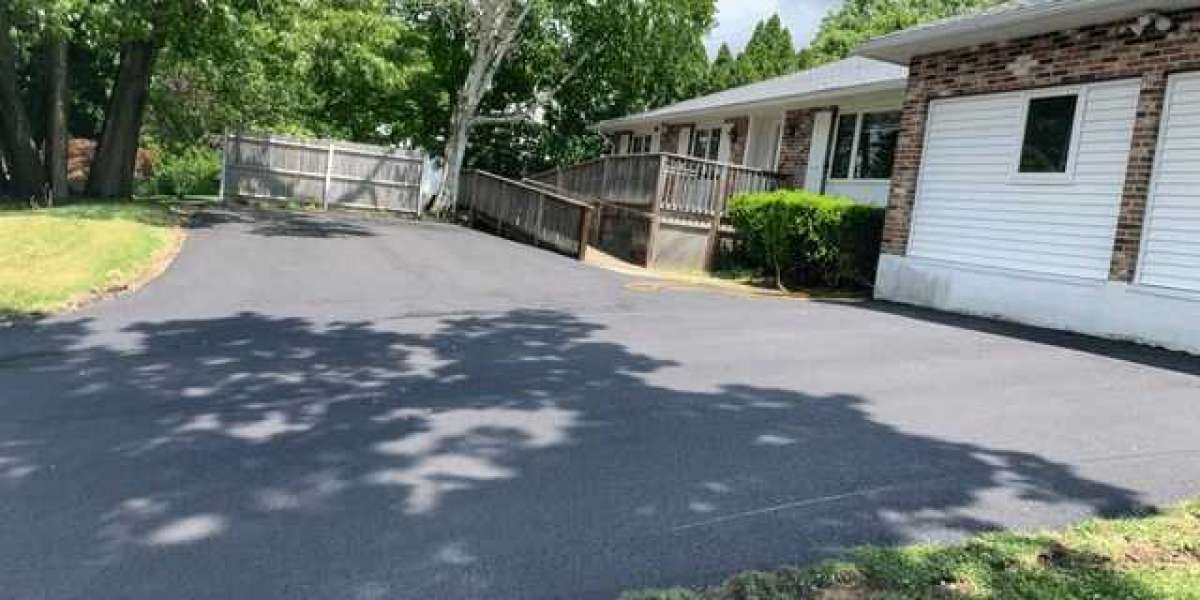

A commercial concrete contractor is a specialized professional or company that handles concrete work for commercial properties.
Unlike residential concrete services, commercial projects typically involve larger scopes, stricter codes, heavier traffic requirements, and specialized finishes.
Whether it’s a new building foundation, sidewalk, parking structure, loading dock, or industrial flooring, a skilled commercial concrete contractor ensures the job is done right, on time, and according to regulations.
Concrete is one of the most versatile and durable building materials, making it essential in modern commercial construction.
What Does a Commercial Concrete Contractor Do?
Commercial concrete contractors provide a full range of services related to concrete construction, including:
Concrete Installation
They pour and finish concrete for:
Building foundations and slabs
Sidewalks and walkways
Parking lots and curbs
Loading docks and ramps
Retaining walls
These installations must meet strict standards for strength, drainage, and usability.
Concrete Repair and Restoration
Commercial concrete work isn’t only about new builds. Contractors also fix:
Cracks and surface damage
Uneven slabs
Spalling (surface flaking)
Concrete deterioration from weather or heavy use
Timely repairs help extend the life of concrete surfaces and prevent safety hazards.
Site Preparation and Grading
Before concrete can be poured, the site must be properly prepared. This includes:
Excavation and leveling
Compaction of soil and sub-bases
Installing drainage systems
Setting forms and reinforcement
A well-prepared base is crucial for long-lasting concrete.
Reinforcement and Structural Support
Commercial concrete contractors use reinforcement methods such as:
Steel rebar
Wire mesh
Fiber reinforcement
These enhance the concrete’s strength and help it withstand heavy loads, especially in parking decks, industrial floors, and structural applications.
Why Choose a Commercial Specialist?
Commercial concrete projects differ from residential jobs in scale, complexity, and regulations. Here’s why a commercial concrete contractor matters:
Code Compliance
Commercial projects must follow building codes, ADA accessibility rules, and municipal permitting requirements.
Heavy-Duty Strength
Commercial concrete must withstand heavy vehicle traffic, forklift loads, and frequent use — far beyond typical home applications.
Efficient Project Management
Experienced contractors schedule work to minimize downtime, coordinate with other trades, and deliver on deadlines.
Durability and Longevity
With proper materials and reinforcement, well-installed commercial concrete can last decades with minimal maintenance.
Types of Commercial Concrete Projects
Commercial concrete contractors work on a wide range of applications, including:
Parking Lots and Driveways
Durable concrete surfaces that support cars, delivery trucks, and constant traffic.
Industrial and Warehouse Floors
Heavy-duty flooring that withstands forklifts, pallets, and high-impact loads.
Foundations and Structural Slabs
Critical base structures for new buildings and additions.
Sidewalks and Curbs
Public and customer-facing walkways that require smooth finishes and ADA compliance.
Concrete Walls and Barriers
Retaining walls, noise barriers, and architectural features.
The Concrete Construction Process
Here’s a simplified overview of how commercial concrete work typically unfolds:
Planning and Permits
Contractors evaluate the site, design specifications, and obtain necessary permits.
Excavation and Preparation
The site is cleared, graded, and base material is compacted.
Formwork and Reinforcement
Wood or metal forms are erected, and reinforcement is installed where needed.
Pouring and Finishing
Concrete is mixed, poured, leveled, and finished according to project requirements.
Curing
Curing allows the concrete to harden and reach maximum strength over time.
Final Inspection
The project is inspected to ensure quality and compliance with specifications.
Benefits of Professional Commercial Concrete Work
Choosing an experienced contractor brings advantages such as:
Improved longevity and strength
Precise slope and drainage control
Code-compliant installation
Minimized cracking and long-term maintenance
Attractive, professional finishes
Commercial concrete structures form the backbone of many facilities, from shopping centers to industrial parks.
Maintenance and Care
Even quality concrete benefits from regular maintenance:
Sealants to protect against moisture and chemicals
Crack repairs and joint filling
Periodic cleaning and surface treatments
Inspection after heavy weather or usage
Routine care keeps concrete looking good and performing well for years.
How to Choose a Commercial Concrete Contractor
When selecting a contractor, consider:
Experience with similar projects
Local licensing and insurance
References and past work examples
Clear written proposals and timelines
Knowledge of code compliance and safety standards
A reliable contractor not only builds well but communicates clearly and delivers on time.
A commercial concrete contractor is a key partner for businesses and developers building or maintaining concrete structures. From foundations to parking lots, sidewalks to industrial floors, professional concrete work ensures strength, durability, and long-term performance. With the right expertise, your project will meet industry standards and stand up to the demands of daily use.