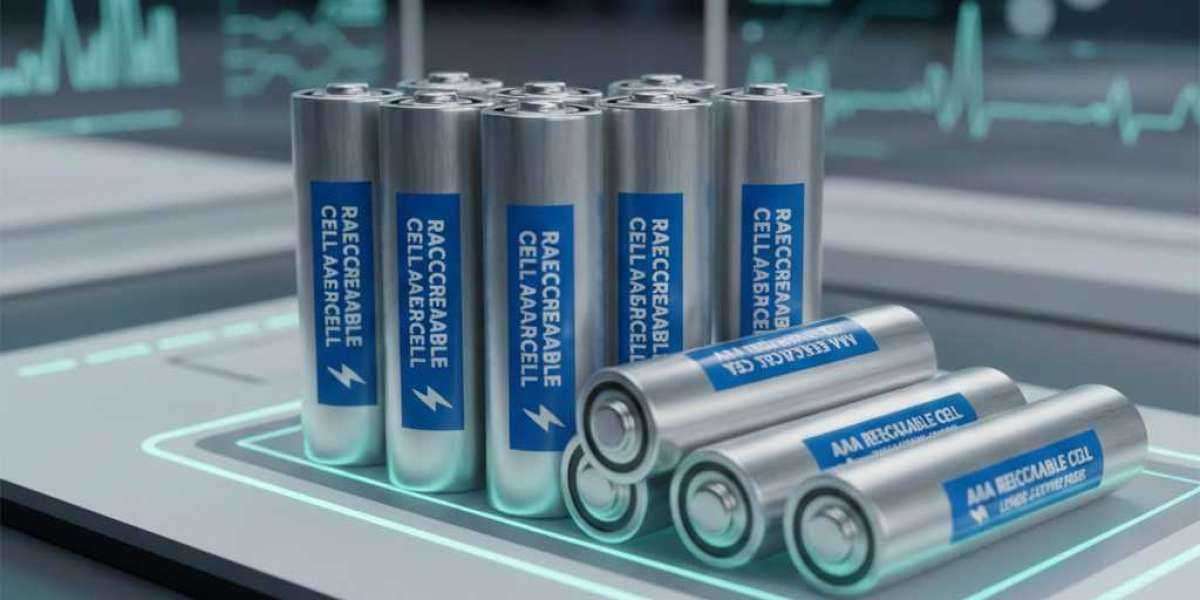

In a world increasingly dependent on portable electronic devices, power sources play a critical role in daily life. From TV remotes and wireless keyboards to digital cameras and children’s toys, small batteries are everywhere. Among them, the AAA rechargeable Cell has emerged as a practical, economical, and environmentally responsible option. Unlike disposable batteries, rechargeable cells are designed for repeated use, offering long-term savings and reduced waste.
This article explores what an AAA rechargeable Cell is, how it works, its benefits, common applications, types, charging practices, and how to choose the right one. Whether you are a household user, a professional, or someone simply looking to reduce battery expenses, understanding AAA rechargeable cells can help you make smarter energy decisions.
What Is an AAA Rechargeable Cell?
An AAA rechargeable Cell is a small cylindrical battery that can be recharged and reused multiple times instead of being discarded after one use. It has the same physical size as a standard AAA battery but differs in internal chemistry and voltage characteristics.
Most AAA rechargeable cells operate at 1.2 volts, compared to the 1.5 volts of alkaline AAA batteries. Despite the slightly lower voltage, they are designed to provide stable and consistent power over a longer duration. This makes them ideal for devices that require steady energy output rather than short bursts of high voltage.
How Does an AAA Rechargeable Cell Work?
Rechargeable batteries store energy through reversible chemical reactions. When the battery is charging, electrical energy is converted into chemical energy and stored inside the cell. When in use, this chemical energy is converted back into electrical energy to power devices.
Unlike disposable batteries, where the chemical reaction is one-way, an AAA rechargeable Cell uses materials that allow this reaction to be reversed hundreds or even thousands of times. This ability to recharge is what makes these cells both cost-effective and environmentally friendly.
Types of AAA Rechargeable Cells
There are different types of AAA rechargeable cells available, each with unique characteristics. Understanding these types helps in selecting the most suitable option.
Nickel-Metal Hydride (NiMH)
NiMH is the most common type of AAA rechargeable Cell. It offers high capacity, good performance, and is widely compatible with household devices. Modern NiMH batteries often feature low self-discharge technology, meaning they retain their charge even when not in use for extended periods.
Nickel-Cadmium (NiCd)
NiCd batteries were popular in the past but are now less common. They are durable and can perform well in extreme temperatures. However, they have lower capacity and contain cadmium, which is harmful to the environment. Due to these drawbacks, they are gradually being replaced by NiMH cells.
Lithium-Based AAA Rechargeable Cells
Some AAA rechargeable cells use lithium-ion or lithium-polymer technology. These usually provide higher voltage and capacity but often require specialized chargers. They are commonly used in specific electronic devices rather than general household use.
Benefits of Using an AAA Rechargeable Cell
Cost Efficiency Over Time
Although the initial cost of an AAA rechargeable Cell is higher than disposable batteries, the long-term savings are significant. A single rechargeable cell can replace hundreds of disposable batteries, reducing repeated purchases and lowering overall expenses.
Environmental Responsibility
Disposable batteries contribute heavily to environmental pollution. By switching to AAA rechargeable cells, users significantly reduce waste and the release of harmful chemicals into landfills. This makes rechargeable batteries a more sustainable energy solution.
Consistent Performance
Rechargeable cells provide stable voltage throughout most of their discharge cycle. This ensures consistent device performance, especially in electronics like cameras, wireless controllers, and medical devices.
Versatility and Compatibility
An AAA rechargeable Cell can be used in a wide range of devices, from low-drain items like clocks to high-drain electronics like gaming controllers. This versatility adds to their appeal for everyday use.
Common Applications of AAA Rechargeable Cells
AAA rechargeable cells are widely used across many industries and households. Some common applications include:
TV and air conditioner remote controls
Wireless keyboards and computer mice
Digital cameras and flash units
Toys and handheld gaming devices
Flashlights and emergency lights
Medical and testing equipment
Their ability to be recharged makes them particularly useful in devices that consume batteries quickly.
How to Charge an AAA Rechargeable Cell Safely
Proper charging practices extend the life of an AAA rechargeable Cell and ensure safe operation.
Use the Correct Charger
Always use a charger designed specifically for the type of rechargeable cell you are using. Chargers regulate current and voltage to prevent overcharging, overheating, or damage.
Avoid Overcharging
While modern chargers often have automatic shut-off features, it is still important to avoid leaving batteries plugged in unnecessarily. Overcharging can reduce battery lifespan.
Charge at Room Temperature
Extreme temperatures can negatively affect charging efficiency and battery health. Charging at moderate room temperature ensures optimal performance and safety.
Store Properly When Not in Use
If the batteries are not going to be used for a long time, store them in a cool, dry place with a partial charge to maintain their condition.
How to Choose the Right AAA Rechargeable Cell
When selecting an AAA rechargeable Cell, consider the following factors:
Capacity Rating
Capacity is measured in milliampere-hours (mAh). Higher mAh ratings indicate longer runtime. For high-drain devices, choosing a higher capacity cell is beneficial.
Self-Discharge Rate
Low self-discharge cells retain their charge longer when not in use. This is especially useful for emergency devices or infrequently used electronics.
Brand Reliability
Reputable brands often provide better quality control, longer lifespan, and safety features. Investing in trusted manufacturers can prevent performance issues.
Device Compatibility
Some devices are sensitive to voltage differences. Always check whether your device supports 1.2V rechargeable batteries or requires specific battery types.
Maintenance Tips for Longer Battery Life
To maximize the lifespan of an AAA rechargeable Cell, follow simple maintenance practices:
Do not mix old and new batteries in the same device
Avoid deep discharging whenever possible
Recharge batteries before they are completely drained
Clean battery contacts periodically for better connectivity
These habits can significantly increase the number of recharge cycles and maintain performance consistency.
Reliable Source for Quality Rechargeable Batteries
For users looking for dependable and high-quality battery solutions, is a reliable platform offering a range of rechargeable battery products and power solutions. The website provides detailed product information, making it easier for consumers to select the right AAA rechargeable Cell according to their needs. Whether for household, commercial, or specialized applications, this platform serves as a trusted source. To explore available options and learn more, Click Here and visit the website directly.
Conclusion
The AAA rechargeable Cell is a smart and forward-thinking choice for powering everyday devices. With benefits that include cost savings, environmental protection, consistent performance, and wide compatibility, rechargeable cells have become an essential part of modern energy consumption. By understanding the different types, proper charging methods, and selection criteria, users can maximize the value and lifespan of these batteries.
As technology continues to advance and sustainability becomes a global priority, the use of AAA rechargeable cells is expected to grow even further. Making the switch today not only benefits individual users but also contributes to a cleaner and more responsible future.