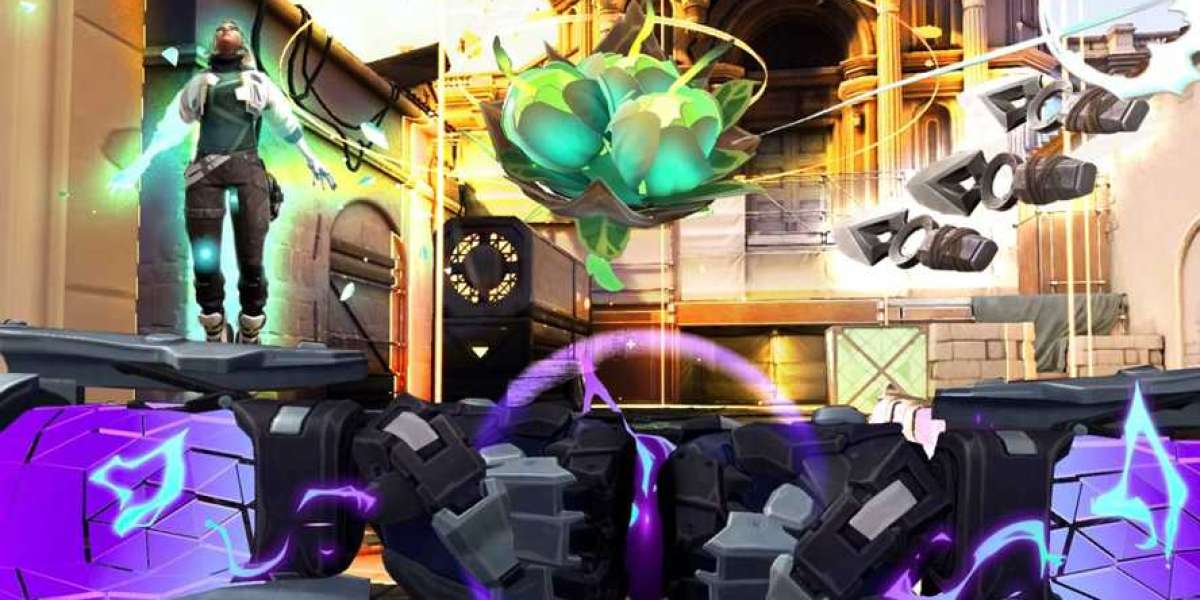
Mobile games fit into moments of daily life in a way few other forms of entertainment can. People play during short breaks, while traveling, or when they simply want to relax for a few minutes. Because of this, mobile games come in many forms, each designed to match different moods, time limits, and player expectations. These forms are known as mobile game genres.
Some genres succeed because they are simple and fast. Others work because they offer depth and long-term goals. Understanding why players are drawn to certain mobile game genres helps explain player behavior and how the mobile gaming industry continues to grow and adapt.
7 Mobile Game Genres That Are In Demand
Here are some of the popular game genres that players want to experience.
Casual Mobile Games
Casual mobile games are often the first type of game people think of when they hear the term “mobile game.” These games are easy to start, simple to control, and quick to understand. A player does not need gaming experience or long tutorials to enjoy them. Instead, the game teaches itself through play.
What makes casual games so appealing is how naturally they fit into everyday life. A few minutes is enough to feel progress or satisfaction. There is no pressure to win quickly or compete with others unless the player chooses to. This relaxed approach makes casual games feel welcoming rather than demanding.
Casual games also reach a very wide audience. Children, adults, and older players can all enjoy them for different reasons. Whether it’s solving a puzzle, matching colors, or running endlessly through levels, casual games offer comfort and familiarity. That sense of ease is why they continue to dominate mobile app stores year after year.
Action and Arcade Mobile Games
Action and arcade mobile games focus on fast movement, quick reactions, and skill-based gameplay. These games challenge players to stay alert and improve over time. Each session feels energetic and engaging, even if it only lasts a few minutes.
Players are drawn to action games because they create a strong sense of momentum. The game responds immediately to player input, which makes progress feel earned. As difficulty increases, players feel motivated to sharpen their skills and beat their previous scores.
Arcade-style mechanics also play an important role. High scores, timed challenges, and level-based progression give players clear goals. Even short sessions feel meaningful because there is always something to improve. This balance of challenge and reward keeps action and arcade games exciting without becoming overwhelming.
Role-Playing Games (RPGs) on Mobile
Mobile role-playing games offer deeper experiences built around characters, stories, and progression. While traditional RPGs are often associated with long play sessions, mobile RPGs adapt these ideas to shorter, more flexible gameplay.
Players enjoy mobile RPGs because they can grow characters over time without needing hours in one sitting. Small tasks, daily missions, and regular rewards make progress feel steady. Over time, players develop emotional connections to characters and storylines, which keeps them invested.
Mobile RPGs also benefit from frequent updates. New events, items, and chapters give players reasons to return. This ongoing sense of discovery helps RPGs stand out as games that evolve rather than stay static.
Strategy Mobile Games
Strategy mobile games appeal to players who enjoy planning, decision-making, and long-term thinking. These games often ask players to manage resources, build systems, and respond to changing situations.
What makes strategy games engaging is the sense of control they offer. Every choice matters, and progress reflects careful planning rather than quick reactions. Players feel responsible for their success, which creates a strong sense of ownership.
Many strategy games also include competitive or cooperative features. Whether players are defending territory, forming alliances, or competing on leaderboards, the social layer adds depth. This mix of thinking and interaction explains why strategy games often build loyal, long-term player communities.
Simulation Mobile Games
Simulation games recreate real-life activities in a simplified and interactive way. These games allow players to farm, build cities, run businesses, or manage virtual lives at their own pace.
Players enjoy simulation games because they feel personal. There is no strict right or wrong way to play. Progress happens gradually, and creativity plays a big role. This freedom makes simulation games relaxing rather than stressful.
Another reason simulation games work well on mobile is their pacing. Players can check in, make a few decisions, and leave without losing progress. Over time, these small actions add up, creating a rewarding sense of growth that feels natural and satisfying.
Multiplayer and Social Mobile Games
Multiplayer mobile games turn gaming into a shared experience. Instead of playing alone, players compete or cooperate with others in real time. This social element changes how people interact with the game.
Playing with friends or strangers adds unpredictability. Each match feels different, which keeps gameplay fresh. Features like chat, teams, and rankings also create communities within the game.
Social motivation is a powerful driver. Players return not just for gameplay, but to stay connected with others. This sense of belonging often leads to longer engagement and stronger loyalty compared to solo experiences.
Puzzle Mobile Games
Puzzle mobile games focus on logic, patterns, and problem-solving. These games challenge the mind without demanding fast reactions or complex controls.
Players appreciate puzzle games because they offer a balance between challenge and calm. Solving a puzzle feels rewarding, yet the experience remains relaxed. Many puzzle games are designed so players can pause and resume at any time, which fits perfectly with mobile use.
Puzzle games also appeal across age groups and skill levels. Their timeless design ensures they remain popular, even as trends change.
Why Some Mobile Game Genres Perform Better Than Others
Certain mobile game genres succeed because they align well with modern lifestyles. Games that respect limited time, offer clear goals, and avoid unnecessary complexity tend to perform better.
Accessibility is another key factor. Genres that are easy to learn and quick to start attract larger audiences. In addition, fair monetization plays a role. Games that balance ads and purchases without disrupting gameplay earn more trust from players.
How Developers Choose the Right Mobile Game Genre
Developers consider player behavior, market demand, and long-term potential when choosing a genre. Understanding the target audience helps shape gameplay decisions early in development.
Developers also look at sustainability. Genres that allow updates, social features, and evolving content often support long-term success. Choosing the right genre is not just about trends, but about creating experiences players want to return to.
Conclusion
Mobile game genres succeed because they reflect how people play, think, and spend their time. Some players want quick fun, while others want depth and progression. No single genre fits everyone.
By understanding why players love certain genres, developers can build better games, and players can find experiences that truly fit their interests. As mobile gaming continues to grow, genres will change, but player-centered design will always remain the foundation of success.