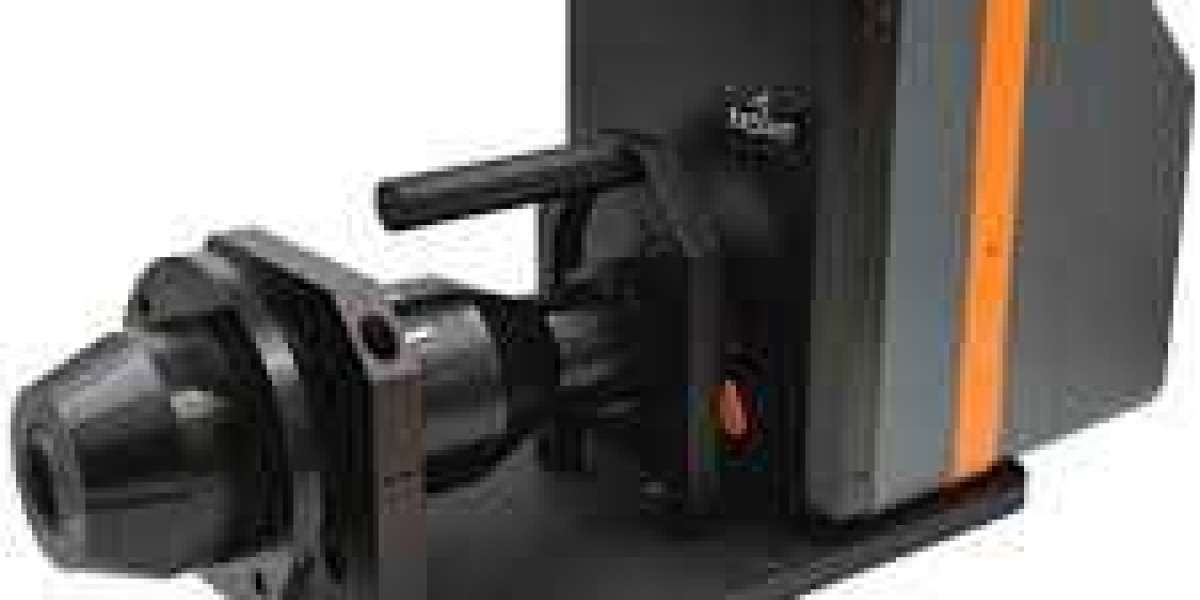

Many optical inspection and measurement systems struggle with angle detection, light convergence, and accurate beam analysis. When the optical setup cannot properly collect and analyze light from multiple angles, the result is incorrect readings, poor image interpretation, and unreliable measurements.
This issue is common in material inspection, crystal analysis, LCD testing, and polarization studies. The solution lies in a specialized optical component known as the conoscope lens, designed specifically for angular light measurement and detection accuracy.
Why Standard Lenses Fail in Angular Detection Systems
Regular optical lenses are designed to form images, not to analyze light distribution from different angles. When used in detection systems, they create limitations such as:
Inability to capture full angular light information
Poor convergence of diverging light rays
Reduced accuracy in polarization and birefringence testing
Limited performance in optical inspection setups
This is where a conoscope lens becomes essential for precision optical measurement.
What Makes a Conoscope Lens Technically Unique
A conoscope lens is specially designed to collect light from a wide range of angles and bring it to a single observation or detection point. Instead of forming a simple image, it helps analyze how light behaves when passing through materials or optical elements.
Key features include:
Wide angular light collection capability
Accurate convergence of oblique light rays
High precision surface quality for measurement clarity
Compatibility with polarization and interference setups
Stable optical performance in laboratory and industrial environments
These characteristics make it suitable for scientific and industrial optical testing.
Role in Polarization and Birefringence Testing
In crystal analysis, LCD panel testing, and stress analysis of transparent materials, it is important to observe how light changes when passing through the sample. A conoscope lens enables this by capturing light from multiple angles and displaying interference patterns clearly.
This helps in:
Identifying internal stress in glass and plastics
Analyzing crystal orientation and structure
Testing LCD and display panel uniformity
Observing polarization effects accurately
Without this lens, such angular observations would not be possible.
Importance in Optical Inspection and Measurement Devices
Many optical inspection systems require analysis beyond simple imaging. They need to understand how light is distributed after interacting with materials. This is critical in research laboratories and quality control setups.
Using a conoscope lens improves:
Accuracy of optical measurement instruments
Clarity of interference and diffraction patterns
Reliability in scientific experiments
Repeatability of test results
This level of precision is required in advanced optical evaluation systems.
Applications Across Multiple Fields
Conoscope lenses are widely used in:
LCD and display panel inspection
Crystal and mineral analysis
Stress testing of transparent materials
Polarization research experiments
Optical laboratory instruments
Scientific research and education setups
Any system that requires angular light behavior analysis depends on this optical component.
Why Material Quality and Precision Matter
The performance of this lens depends on surface accuracy, material purity, and precise curvature. Small defects can distort angular measurements and lead to false readings. Optical-grade polishing and high-quality materials ensure consistent and reliable results.
Proper alignment and integration into the optical setup are also crucial for achieving accurate observations.
Conclusion
Inaccurate angle detection and poor light convergence can affect the reliability of optical inspection and measurement systems. A precision conoscope lens solves these problems by capturing and converging light from multiple angles for detailed analysis.
For laboratories, researchers, and manufacturers working in material testing, display inspection, and polarization studies, this specialized lens is an essential tool for achieving accurate optical measurements.