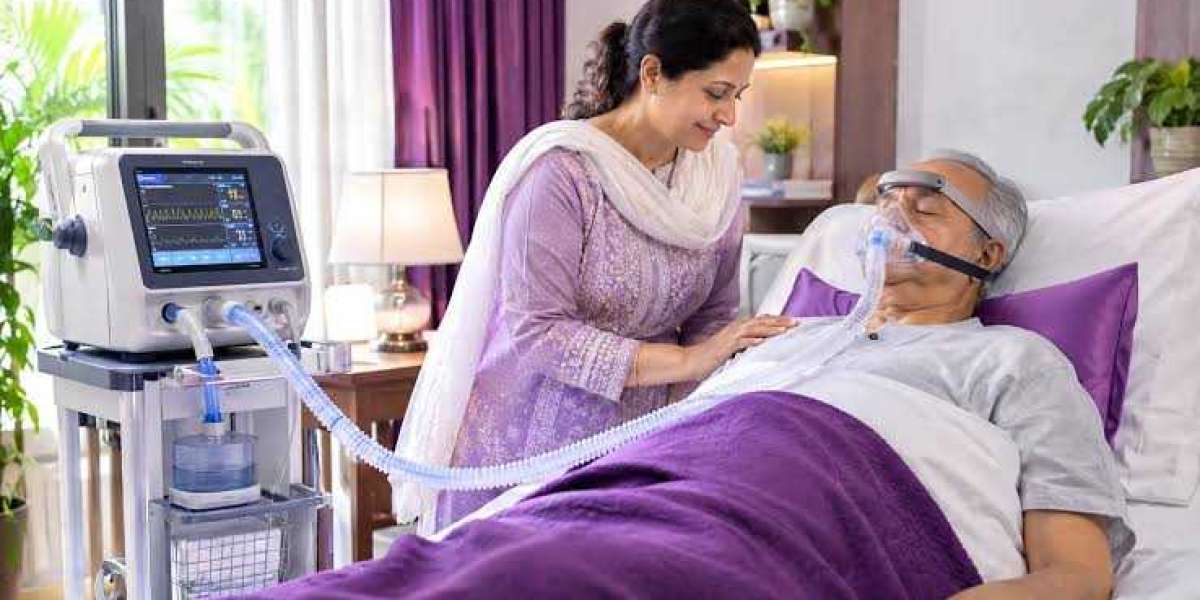

Managing a tracheostomy alongside mechanical ventilation at home requires careful attention, proper hygiene, and consistent medical supervision. Patients who depend on ventilators may need specialized airway care to maintain comfortable breathing, prevent infections, and reduce the risk of complications. Families arranging Ventilator Care At Home In Dubai should understand how tracheostomy care fits into the patient's daily respiratory support routine. With guidance from trained nurses, treating physicians, and services such as Doctor at Home when medically appropriate, caregivers can develop a safe and organized approach to home care. Understanding essential procedures and warning signs helps families support patients while maintaining their comfort and dignity.
Understanding Tracheostomy and Home Ventilator Support:
A tracheostomy is a surgically created opening in the front of the neck that provides direct access to the windpipe through a tube. Some patients require a ventilator connected to this tube to support or control their breathing. This arrangement may be recommended for individuals with certain neurological conditions, severe respiratory illnesses, airway problems, or prolonged ventilation needs. The tracheostomy allows respiratory support to be delivered through a secure airway, but it also requires regular attention to the tube, surrounding skin, and respiratory secretions. Each patient needs an individualized care plan that explains the type of tracheostomy tube, ventilator settings, airway procedures, and responsibilities of trained caregivers.
Keeping the Tracheostomy Site Clean:
Cleaning the skin around the tracheostomy opening helps reduce irritation and the risk of infection. Caregivers should follow the cleaning schedule and technique prescribed by the healthcare team because the procedure may differ depending on the patient's condition and the stage of healing. Before providing care, hands should be washed thoroughly and the recommended protective equipment prepared. The skin around the opening should be observed for redness, swelling, bleeding, unusual discharge, or unpleasant odour. Only approved cleaning solutions and dressings should be used, and caregivers should avoid applying powders, creams, or other products unless specifically recommended. Any unusual changes around the site should be reported to a healthcare professional.
Managing Tracheostomy Tube Hygiene:
The tracheostomy tube must remain clear and properly positioned to support effective breathing. Some tube types have removable inner cannulas that require regular cleaning or replacement according to the manufacturer's instructions and the patient's care plan. This procedure should only be performed by individuals who have received appropriate training. Caregivers should also understand how to recognize visible tube damage, accidental displacement, or signs of blockage. The tube should never be adjusted, removed, or replaced without appropriate clinical training and authorization. Keeping the necessary supplies organized and accessible can make routine care more manageable. Professional nursing assistance is particularly valuable for patients who require frequent airway procedures.
Performing Suctioning Safely When Required:
Patients with tracheostomies may produce respiratory secretions that they cannot clear effectively through coughing. Suctioning may be prescribed to remove excess mucus and maintain airway clearance, but it should only be performed when clinically indicated. Caregivers must receive practical training on the correct equipment, technique, infection-control precautions, and signs that require stopping the procedure. Excessive or unnecessary suctioning can irritate airway tissues and cause complications. Warning signs such as increased breathing difficulty, noisy breathing, reduced oxygen readings, or an inability to clear secretions should be taken seriously. If a patient develops severe respiratory distress or suspected airway obstruction, emergency assistance should be sought immediately.
Ensuring Proper Ventilator Connections and Settings:
The ventilator must be connected securely to the tracheostomy system using the prescribed breathing circuit and accessories. Caregivers should check visible connections, tubing, power supply, and equipment condition according to their training and the manufacturer's guidance. Ventilator settings must remain as prescribed by the treating physician, and families should never change pressure, volume, oxygen concentration, or other clinical settings independently. The humidification system, filters, and breathing circuit should also be managed according to the equipment instructions and clinical plan. Any repeated alarms, unexpected disconnections, damaged tubing, or unusual changes in ventilator performance should be reported promptly. Maintaining backup power and appropriate emergency equipment is also important for patients who rely on continuous ventilation.
Maintaining Humidification and Managing Respiratory Secretions:
Air entering through a tracheostomy bypasses the nose and upper airway, which normally help warm and humidify inhaled air. As a result, some patients need prescribed humidification to prevent airway dryness and reduce the formation of thick secretions. The type of humidification system and its maintenance requirements depend on the patient's ventilator setup and clinical needs. Caregivers should follow instructions for water handling, chamber cleaning, and equipment replacement without introducing unapproved products or unnecessary changes. They should also observe the amount, thickness, and appearance of respiratory secretions. Thick or unusually increased mucus may indicate inadequate humidification, dehydration, infection, or another concern that requires professional assessment.
Preventing Infection During Daily Tracheostomy Care:
Infection prevention is essential for patients who have a tracheostomy and depend on long-term ventilation. Bacteria can spread through contaminated hands, equipment, dressings, or respiratory supplies. Caregivers should wash their hands before and after airway care, use gloves when indicated, and keep clean and used materials separate. The patient's bedding and surrounding surfaces should be maintained in a clean condition, while reusable equipment should be processed according to the manufacturer's instructions. Important precautions include:
Perform hand hygiene before and after every care procedure.
Use clean or sterile supplies as directed by the care plan.
Avoid touching the inside of clean airway equipment.
Change tracheostomy dressings according to professional instructions.
Keep respiratory equipment protected from dust and contamination.
Report fever, redness, swelling, or unusual discharge promptly.
Consistent infection-control practices help protect patients who may already have reduced resistance to illness.
Supporting Nutrition, Hydration, and Overall Comfort:
Good nutrition and adequate hydration contribute to general health, tissue repair, and the body's ability to manage respiratory secretions. Some patients with tracheostomies can eat orally, while others may require modified food textures or tube feeding because of swallowing difficulties. A swallowing assessment may be necessary before oral intake is considered safe. Caregivers should follow the prescribed feeding plan and observe for coughing, choking, vomiting, or other signs of feeding intolerance. Fluid intake should also follow medical recommendations, particularly for patients with kidney or heart conditions. Comfortable positioning, regular personal hygiene, oral care, and appropriate skin protection further support the patient's wellbeing during long-term home ventilation.
Recognizing Warning Signs and Emergency Situations:
Caregivers should know which changes require routine medical advice and which indicate an emergency. Early recognition can help prevent delays in treatment, especially when the patient cannot communicate discomfort clearly. Warning signs include:
Sudden difficulty breathing or visible respiratory distress.
Blue or grey lips, face, or fingertips.
Suspected tracheostomy tube blockage or displacement.
Persistent ventilator alarms or equipment failure.
A sudden increase in thick or unusual respiratory secretions.
Fever or signs of infection around the tracheostomy site.
Reduced alertness, confusion, or loss of consciousness.
Severe breathing difficulty, suspected airway obstruction, accidental tube displacement, or ventilator failure requires immediate action under the patient's emergency plan and urgent medical assistance. Caregivers should never attempt procedures beyond their training.
The Role of Professional Nurses in Home Tracheostomy Care:
Professional nurses with appropriate respiratory and tracheostomy-care training can provide important support to patients and families. Depending on their scope of practice and the prescribed care plan, they may assist with site care, suctioning, airway assessment, equipment checks, hygiene, and monitoring vital signs. They can also document changes in respiratory secretions, skin condition, and patient comfort, then communicate concerns to the treating physician. Family members can receive practical education on daily routines, infection prevention, ventilator alarms, and emergency procedures. This professional support helps ensure that care is consistent and that clinical tasks are performed by appropriately trained individuals.
Final Thoughts
Managing tracheostomy care alongside home ventilator support requires proper training, careful hygiene, reliable equipment, and regular medical supervision. Families should understand the patient's airway-care routine, follow prescribed ventilator instructions, monitor for warning signs, and seek professional help when concerns arise. A personalized plan can make daily care safer and more organized while protecting the patient's comfort and dignity. With qualified nursing assistance and coordinated medical guidance, Ventilator Care At Home In Dubai can provide comprehensive respiratory support for patients who require long-term ventilation through a tracheostomy.