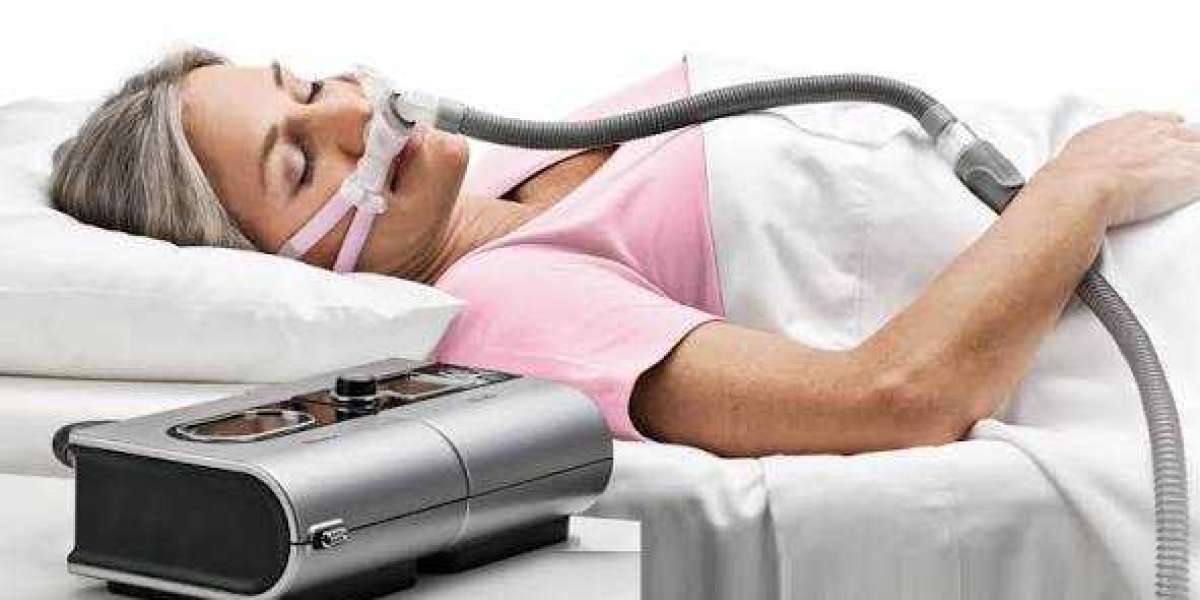

Heart failure is a chronic medical condition in which the heart cannot pump blood efficiently enough to meet the body's needs. As a result, some patients may experience breathlessness, fatigue, fluid buildup, and reduced oxygen levels, particularly during advanced stages of the condition. Oxygen Therapy At Home In Dubai can help eligible patients receive prescribed respiratory support in a familiar and comfortable environment. With professional assistance from healthcare providers offering services such as Doctor at Home, patients can receive medical assessments and ongoing monitoring without unnecessary hospital visits. However, oxygen therapy is not required for every person with heart failure. Understanding when it is recommended, how it works, and what precautions are necessary can help patients and caregivers make informed decisions about respiratory care.
Understanding the Connection Between Heart Failure and Low Oxygen Levels:
Heart failure affects the heart's ability to circulate blood effectively throughout the body. When the heart's pumping function becomes impaired, fluid may accumulate in the lungs, a condition known as pulmonary congestion. This buildup can interfere with normal oxygen exchange, making breathing difficult and potentially reducing blood oxygen levels. Patients may experience breathlessness during physical activity, difficulty breathing while lying down, or waking up at night feeling short of breath. However, not everyone with heart failure develops low blood oxygen levels, and breathlessness does not automatically mean supplemental oxygen is necessary. Doctors assess oxygen saturation, symptoms, heart function, and the underlying cause of breathing difficulties before recommending treatment. Identifying the relationship between cardiac function and respiratory symptoms is essential for developing an appropriate care plan.
When Is Oxygen Therapy Recommended for Heart Failure Patients:
Oxygen therapy may be recommended when a patient with heart failure has documented low blood oxygen levels. It can help improve oxygen availability in the bloodstream when the lungs cannot transfer sufficient oxygen into the body. Doctors may use pulse oximetry or arterial blood gas testing to determine whether supplemental oxygen is necessary. Patients experiencing acute heart failure with pulmonary oedema may require oxygen or other forms of respiratory support in a hospital, depending on their condition. Long-term oxygen therapy at home may be appropriate for selected patients with persistent hypoxaemia, particularly when another respiratory condition is also present. Oxygen is not a routine treatment for heart failure patients whose oxygen levels are already adequate. Medical assessment helps determine whether oxygen is beneficial and establishes the correct treatment requirements.
How Oxygen Therapy Supports Patients With Heart Failure:
When prescribed appropriately, supplemental oxygen increases the amount of oxygen available for absorption through the lungs. This can help maintain adequate blood oxygen levels in patients experiencing hypoxaemia and support the delivery of oxygen to essential organs and tissues. For individuals with heart failure and coexisting lung disease, oxygen therapy may also reduce breathing-related discomfort associated with low oxygen levels. However, oxygen does not strengthen the heart muscle, remove excess fluid, or correct the underlying pumping problem. It should therefore be considered part of a broader treatment plan rather than a replacement for cardiac medications and other prescribed interventions. Potential benefits for eligible patients include:
Supporting healthy blood oxygen levels.
Helping manage symptoms associated with hypoxaemia.
Supporting oxygen delivery to vital organs.
Improving comfort when low oxygen contributes to breathlessness.
Supporting respiratory care during recovery from certain complications.
The benefits depend on the patient's medical condition, oxygen requirements, and response to treatment.
Choosing the Right Oxygen Equipment for Home Use:
Selecting suitable oxygen equipment is important for patients with heart failure who require supplemental oxygen outside the hospital. Oxygen concentrators are commonly used for home treatment because they extract oxygen from surrounding air and provide a continuous supply without frequent cylinder replacements. Oxygen cylinders may also be used when appropriate, particularly as backup supplies or for specific mobility requirements. The equipment must match the patient's prescribed oxygen flow rate and treatment duration. Doctors and healthcare professionals should consider the patient's mobility, living environment, power supply, and ability to operate the device safely. Important factors include:
Prescribed oxygen flow: Ensure the device supports the doctor's recommended settings.
Ease of operation: Choose equipment that patients and caregivers can manage comfortably.
Portability: Consider mobility needs and daily activities.
Power backup: Arrange an appropriate backup supply for unexpected interruptions.
Maintenance: Follow instructions for cleaning, filter replacement, and servicing.
Patients should never select equipment or change oxygen settings without professional guidance.
Monitoring Oxygen Levels and Heart Health:
Regular monitoring is an important part of managing heart failure, especially when patients also require oxygen therapy. A pulse oximeter can measure peripheral oxygen saturation (SpO2), helping patients and caregivers observe oxygen levels when recommended by their doctor. However, oxygen saturation readings should be considered alongside other symptoms and clinical findings. Patients with heart failure should also monitor changes in body weight, swelling, breathing patterns, and physical activity tolerance because these may indicate fluid retention or worsening cardiac function. Healthcare professionals may recommend keeping a daily health record that includes:
Oxygen saturation readings, when advised.
Changes in breathing difficulty.
Body weight and sudden increases.
Swelling in the legs, ankles, or abdomen.
Blood pressure and heart rate, when recommended.
Changes in sleep quality or ability to perform daily activities.
Sudden weight gain, worsening breathlessness, or increasing swelling should be reported promptly because these symptoms may indicate worsening heart failure.
Managing Heart Failure Alongside Oxygen Therapy:
Oxygen therapy is most effective as part of a comprehensive heart failure management plan. Patients generally need to continue prescribed cardiac medications, attend regular medical appointments, and follow recommendations regarding diet, physical activity, and fluid intake. Doctors may prescribe medications such as diuretics to reduce excess fluid, while other treatments help manage blood pressure and improve heart function. Patients should never stop prescribed medications simply because they are receiving supplemental oxygen. Maintaining a balanced, heart-friendly diet and following individualized sodium and fluid recommendations can also support overall health. Light physical activity or cardiac rehabilitation may be recommended when medically appropriate. Combining these measures with prescribed oxygen support helps address different aspects of the condition and promotes better long-term management.
Understanding the Risks and Precautions of Oxygen Therapy:
Although oxygen therapy is generally safe when prescribed correctly, patients with heart failure should follow important precautions. Excessive oxygen administration may be harmful in certain individuals, particularly those with coexisting COPD or a tendency to retain carbon dioxide. Incorrect equipment handling can also create safety hazards because oxygen supports combustion. Patients should use the prescribed flow rate and avoid making adjustments based on personal assumptions. Important precautions include:
Never increase or decrease oxygen flow without medical approval.
Keep oxygen equipment away from cigarettes and open flames.
Avoid smoking near oxygen cylinders or concentrators.
Ensure tubing and connections remain in good condition.
Maintain equipment according to manufacturer instructions.
Report unusual headaches, confusion, or worsening breathing difficulties.
Patients experiencing severe chest pain, sudden breathlessness, fainting, or confusion should seek emergency medical assistance immediately.
The Role of Home Healthcare Services in Heart Failure Management:
Managing heart failure at home can be challenging, particularly for elderly patients and individuals with additional respiratory conditions. Professional home healthcare services can provide valuable assistance through regular medical assessments, nursing support, oxygen monitoring, and patient education. Healthcare professionals can help families understand prescribed oxygen settings, recognize warning signs, and maintain appropriate equipment safety practices. Patients receiving Oxygen Therapy At Home In Dubai can benefit from coordinated respiratory and cardiac care that reduces the challenges of frequent hospital visits when home management is medically appropriate. Home nursing support and Doctor at Home consultations can also help patients remain connected with healthcare professionals while monitoring changes in their condition. Consistent follow-up ensures that treatment remains appropriate as the patient's health needs evolve.
Recognizing When Heart Failure Symptoms Require Medical Attention:
Patients and caregivers should remain alert to changes that may indicate worsening heart failure. Increasing breathlessness, sudden weight gain, persistent coughing, and swelling in the lower body may suggest fluid accumulation. Some patients may also experience difficulty sleeping because of breathing discomfort or require additional pillows to breathe comfortably. These symptoms should be reported to a healthcare provider promptly rather than managed by independently increasing oxygen flow. Severe chest pain, fainting, blue lips, or sudden severe breathing difficulties require emergency medical attention. Recognizing these warning signs early allows healthcare professionals to evaluate the patient's condition and provide appropriate treatment before complications become more serious.
Final Thoughts
Oxygen therapy can provide important respiratory support for selected patients with heart failure, particularly those experiencing documented low blood oxygen levels. However, it is not a treatment for heart failure itself and should always be prescribed according to individual medical requirements.
Proper oxygen assessment, suitable equipment, regular monitoring, medication adherence, and professional follow-up are essential for safe and effective care. With appropriate medical guidance, Oxygen Therapy At Home In Dubai can help eligible patients manage their respiratory needs comfortably while supporting their overall heart health and quality of life.