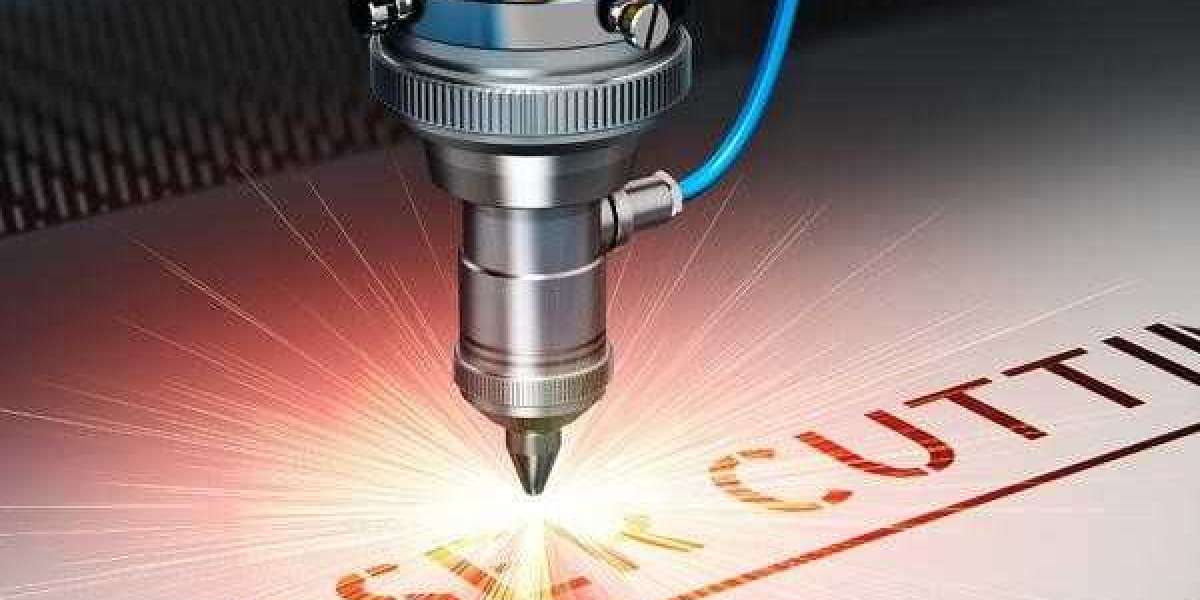

Metal surfaces often accumulate rust, paint, oil, oxidation, and other unwanted contaminants during manufacturing, storage, and everyday industrial operations. Traditional cleaning methods can require chemicals, abrasive materials, and considerable manual effort. Modern laser technology offers a more precise and efficient approach to surface preparation. A laser metal cleaner uses concentrated laser energy to remove unwanted materials from metal surfaces while helping preserve the underlying material.
This technology is becoming increasingly popular across manufacturing, automotive, aerospace, construction, and metal fabrication industries because businesses are looking for cleaner, more controlled, and reliable surface treatment solutions.
What Is a Laser Metal Cleaner?
A laser metal cleaner is an industrial cleaning system that uses a high-energy laser beam to remove contaminants from metal surfaces. The laser interacts with rust, paint, grease, oxide layers, and other unwanted substances, causing them to separate from the underlying metal.
Unlike traditional sandblasting or chemical cleaning, laser cleaning does not require direct contact between a cleaning tool and the workpiece. This allows operators to clean complicated shapes, narrow areas, and delicate metal components with greater precision.
Most modern systems use fiber laser technology because it provides stable operation, excellent beam quality, and consistent cleaning performance.
How Does Laser Metal Cleaning Work?
The cleaning process is based on the interaction between laser energy and surface contaminants. When the laser beam reaches a contaminated metal surface, the unwanted layer absorbs energy and undergoes rapid heating. Depending on the material and laser settings, contaminants can be removed through vaporization, thermal expansion, or other physical processes.
The operator can adjust parameters such as laser power, scanning speed, frequency, and focal position according to the cleaning requirements.
Before beginning a large cleaning project, operators should test the laser settings on a small area. Proper parameter selection helps achieve the desired cleaning results while reducing the possibility of damaging the base material.
Common Applications Across Industries
Laser cleaning technology supports many industrial operations where metal surface quality is important.
1. Rust Removal
Rust can weaken metal components and affect their appearance. Laser cleaning helps remove corrosion from steel structures, machinery parts, metal pipes, and automotive components before further processing or protective coating.
2. Paint and Coating Removal
Old paint and protective coatings sometimes need to be removed before repainting, welding, or repairing metal products. Laser systems provide controlled surface cleaning for these applications.
3. Industrial Equipment Maintenance
Manufacturing equipment can accumulate oil, oxidation, and production residues over time. Laser cleaning helps maintain metal components and prepare machinery for maintenance operations.
4. Automotive Manufacturing
Automotive manufacturers use laser cleaning for surface preparation, weld seam cleaning, and removing unwanted coatings from selected metal components.
5. Metal Fabrication and Restoration
Metal fabrication workshops can use laser technology to prepare surfaces before welding, improve component cleanliness, and restore certain metal parts.
Choosing the Right Laser Cleaning Machine
Selecting suitable equipment depends on the type of material, contamination level, cleaning area, and production requirements.
Laser power is an important consideration. Lower-power systems may be suitable for light rust, thin coatings, and smaller cleaning jobs, while higher-power equipment can support more demanding industrial applications.
Businesses should also consider whether a handheld or automated system is more appropriate. Handheld machines provide flexibility for different workpieces and on-site maintenance, whereas automated systems can be integrated into production lines for repetitive cleaning operations.
Other important considerations include cooling arrangements, scanning head quality, control software, safety features, and technical support from the manufacturer.
Safety and Operating Considerations
Industrial laser cleaning requires appropriate safety procedures. Operators should wear laser-rated protective eyewear suitable for the equipment's wavelength and follow the manufacturer's operating instructions.
The cleaning area should have appropriate barriers, warning signs, and ventilation or fume extraction systems. Removing paint, coatings, or contaminated materials can release hazardous fumes and particles, so suitable extraction and protective equipment are essential.
Regular equipment inspection and proper operator training also help maintain consistent performance and safe operation.
Final Thoughts
Laser technology is changing how industries approach metal surface preparation and restoration. A laser metal cleaner provides a modern solution for removing rust, paint, oxidation, and other contaminants with controlled laser energy. Its applications across automotive manufacturing, metal fabrication, machinery maintenance, and industrial restoration make it a valuable option for businesses seeking efficient cleaning processes.
Investing in the right laser metal cleaner requires evaluating cleaning requirements, material compatibility, machine specifications, and workplace safety. With suitable equipment and trained operators, companies can improve their metal cleaning operations and prepare surfaces for the next stage of production.






