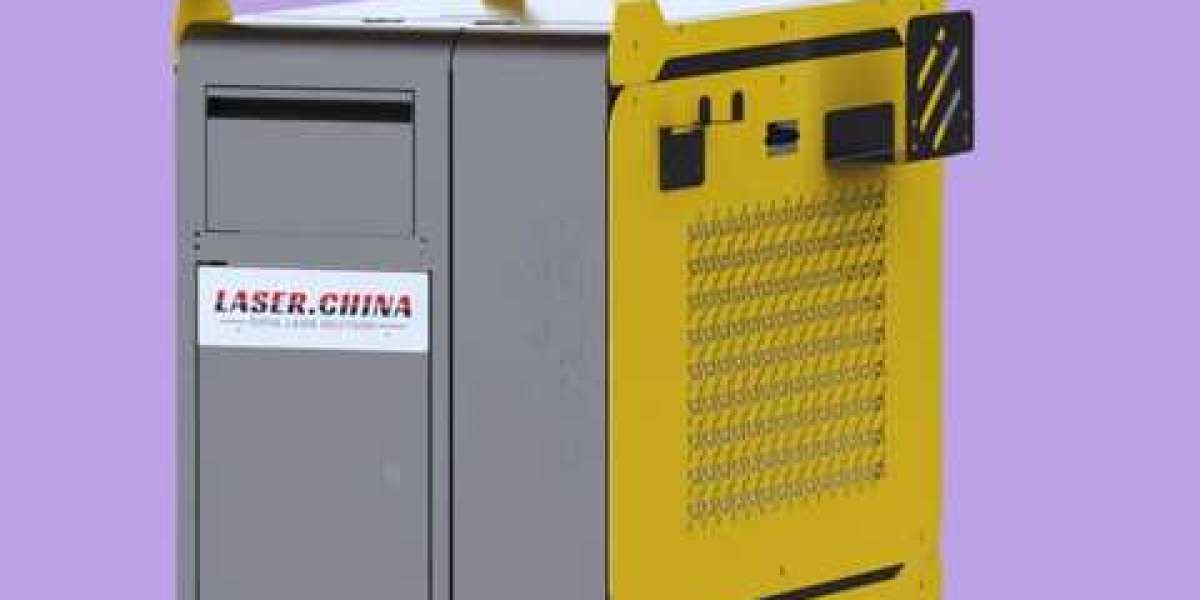

Metal surfaces often develop rust due to moisture, oxygen, chemicals, and long-term exposure to environmental conditions. Rust not only affects the appearance of metal components but can also reduce their durability and performance. Traditional cleaning methods may require chemicals, abrasive materials, or extensive manual labor. Today, laser technology offers a modern approach to removing rust from different metal surfaces with greater precision and control.
A rust cleaning laser is an advanced industrial cleaning system that uses concentrated laser energy to remove rust, oxidation, paint, and other unwanted contaminants from metal surfaces. It is becoming increasingly popular in manufacturing, automotive workshops, metal fabrication, shipbuilding, and industrial maintenance.
How Does Laser Rust Cleaning Work?
Laser rust cleaning works by directing a high-energy laser beam onto a contaminated metal surface. The laser energy interacts with the rust layer, causing unwanted material to heat up and separate from the underlying surface.
The process is generally controlled through adjustable laser power, scanning speed, pulse frequency, and beam settings. These parameters can be selected according to the thickness of the rust, the type of metal, and the required cleaning results.
When the laser beam moves across the surface, it removes unwanted layers while allowing operators to maintain control over the cleaning area. This makes the technology suitable for both small metal components and larger industrial structures.
Applications of Laser Rust Removal Technology
Laser cleaning technology is used across several industries where metal surface preparation is important.
Automotive Industry: Automotive manufacturers and repair workshops use laser cleaning to remove rust from vehicle frames, engine components, metal panels, and other parts before welding, painting, or restoration.
Manufacturing Industry: Production facilities use laser systems to clean metal components, machinery parts, molds, and industrial equipment. Proper surface preparation helps maintain consistent manufacturing quality.
Shipbuilding and Marine Industry: Ships and marine equipment are regularly exposed to moisture and saltwater, which can accelerate corrosion. Laser cleaning equipment can help remove rust from metal structures and selected marine components.
Metal Fabrication: Before welding or coating, metal surfaces often require proper preparation. Laser cleaning can remove oxidation, paint residues, and surface contaminants to prepare materials for further processing.
Historical Metal Restoration: Specialized laser cleaning systems can also be used for carefully controlled restoration work involving metal objects and structures.
Choosing the Right Rust Cleaning Laser
Selecting suitable equipment depends on the intended application and working environment. Buyers should consider the laser power, cleaning width, operating mode, portability, and material compatibility.
For light surface rust and precision cleaning, lower-power systems may be suitable. For heavier industrial rust removal, higher-power equipment may provide the cleaning capacity required for larger projects.
Pulse laser cleaning machines are commonly considered for applications requiring controlled energy delivery and precision. Continuous-wave laser systems can also be suitable for certain industrial cleaning operations where higher processing speeds are required.
It is important to evaluate the machine according to the actual cleaning requirements rather than choosing equipment based only on its power rating.
Important Safety Considerations
Although laser cleaning is a modern industrial process, it requires proper safety precautions. High-powered laser beams can cause serious eye and skin injuries. Operators should use suitable laser safety eyewear and follow the manufacturer's operating instructions.
Work areas should have appropriate laser protection, warning signs, and controlled access. Proper extraction and ventilation systems are also necessary because removing rust, paint, and coatings can release hazardous fumes or particles.
Professional training and regular equipment maintenance help ensure safe and reliable operation.
Why Businesses Are Investing in Laser Cleaning Equipment
As industries continue to improve their production processes, demand for efficient surface preparation solutions is increasing. Laser cleaning offers manufacturers an alternative to conventional rust removal methods, particularly when precision, process control, and reduced consumable use are important.
A modern rust cleaning laser can support different cleaning applications, from removing surface oxidation to preparing metal components for welding and coating. Businesses can also select equipment configurations according to their production volume and operational requirements.
Before purchasing a machine, companies should compare technical specifications, request cleaning demonstrations, and evaluate after-sales technical support to make a suitable investment.
Final Thoughts
Laser technology is changing how industries approach metal surface preparation and corrosion removal. With controlled laser energy and suitable operating parameters, industrial users can remove rust and other contaminants from various metal surfaces.
A reliable rust cleaning laser provides businesses with a modern solution for cleaning, restoration, and manufacturing applications. Choosing the correct machine, following safety procedures, and working with an experienced equipment supplier can help companies achieve consistent cleaning results and improve their overall production process






