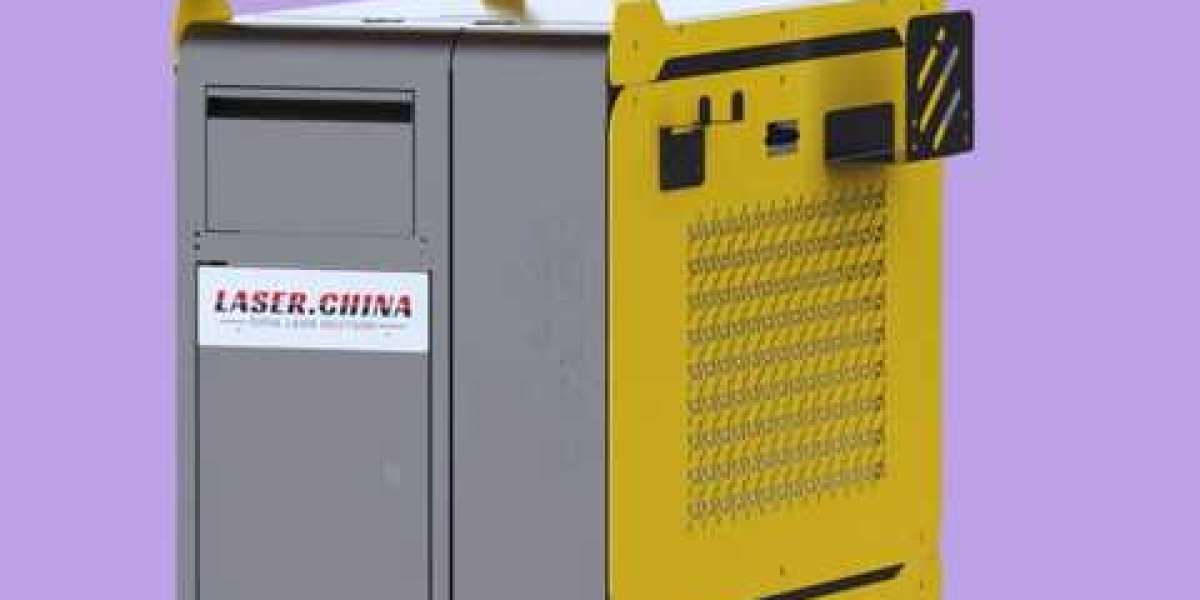

Rust can seriously affect the appearance, performance, and durability of metal surfaces. From industrial machinery and automotive components to metal structures and manufacturing equipment, rust removal is an essential part of regular maintenance. Traditional cleaning methods often involve chemicals, abrasive materials, or manual labor, which can make the process time-consuming.
A rust cleaning laser offers a modern approach to removing rust from different metal surfaces. Using concentrated laser energy, this technology helps eliminate rust, oxidation, paint, and other unwanted contaminants without relying on chemical cleaning agents.
How Does Laser Rust Cleaning Work?
Laser rust cleaning uses a focused laser beam to remove unwanted layers from metal surfaces. When the laser interacts with rust, the contaminated material absorbs the energy and separates from the underlying surface.
The process is commonly known as laser ablation. It allows operators to clean selected areas with greater precision while reducing unnecessary contact with the metal.
Depending on the application, laser cleaning systems are available in different power configurations. Lower-power machines can handle light rust and smaller components, while higher-power industrial systems are suitable for larger surfaces and demanding cleaning operations.
Applications Across Different Industries
Laser rust removal technology is used in various industrial and commercial applications.
Automotive Industry: Automotive manufacturers and repair workshops use laser cleaning to remove rust from vehicle frames, engine components, metal panels, and other parts before maintenance or further processing.
Manufacturing Industry: Production facilities use laser cleaning equipment to prepare metal components before welding, coating, and assembly.
Shipbuilding and Marine Applications: Metal structures exposed to moisture and harsh environmental conditions can develop corrosion. Laser cleaning provides a controlled method for treating selected rusty areas.
Metal Restoration: Restoration specialists can use laser technology to clean metal tools, machinery, equipment, and historical metal objects when the material and cleaning settings are suitable.
Choosing the Right Laser Cleaning Machine
Selecting suitable equipment depends on the type of metal, rust thickness, surface area, and cleaning requirements.
Before purchasing a rust cleaning laser, consider the following factors:
Laser Power: Choose an appropriate power level according to the thickness and severity of rust.
Cleaning Speed: Consider the amount of material that needs to be cleaned regularly.
Machine Type: Handheld systems are useful for flexible operations, while automated systems can support larger industrial projects.
Operating Environment: Check the available workspace, ventilation, electrical requirements, and safety arrangements.
Technical Support: Select a reliable manufacturer that offers installation guidance, operator training, and after-sales assistance.
Why Businesses Are Moving Toward Laser Cleaning
Many businesses are exploring laser cleaning because it offers a controlled alternative to conventional surface preparation methods. It can reduce the need for abrasive blasting materials and chemical cleaning agents in suitable applications.
Another important consideration is precision. Operators can adjust cleaning parameters to match different materials and contamination levels. This makes the technology useful for workshops, industrial production facilities, maintenance teams, and metal processing businesses.
However, proper testing is essential because excessive laser energy can damage certain surfaces.
Laser Cleaning Safety and Maintenance
Although laser cleaning is an advanced technology, safe operation should always be a priority. Industrial laser systems can cause serious eye and skin injuries if operated incorrectly.
Operators should use wavelength-appropriate laser safety eyewear, protective enclosures where required, suitable extraction systems, and trained operating procedures. Regular inspection of optical components, protective equipment, and cooling systems also helps maintain consistent machine performance.
Final Thoughts
Laser technology is changing how industries approach metal surface preparation and rust removal. A rust cleaning laser provides a precise and modern solution for cleaning different metal components while reducing dependence on traditional abrasive and chemical methods.
Whether you operate a small repair workshop or a large manufacturing facility, investing in the right laser cleaning equipment can help improve your cleaning workflow. Choose a machine according to your application, production requirements, and safety standards to achieve reliable results.
#RustCleaningLaser #LaserRustRemoval #LaserCleaningMachine #IndustrialLaserCleaning






