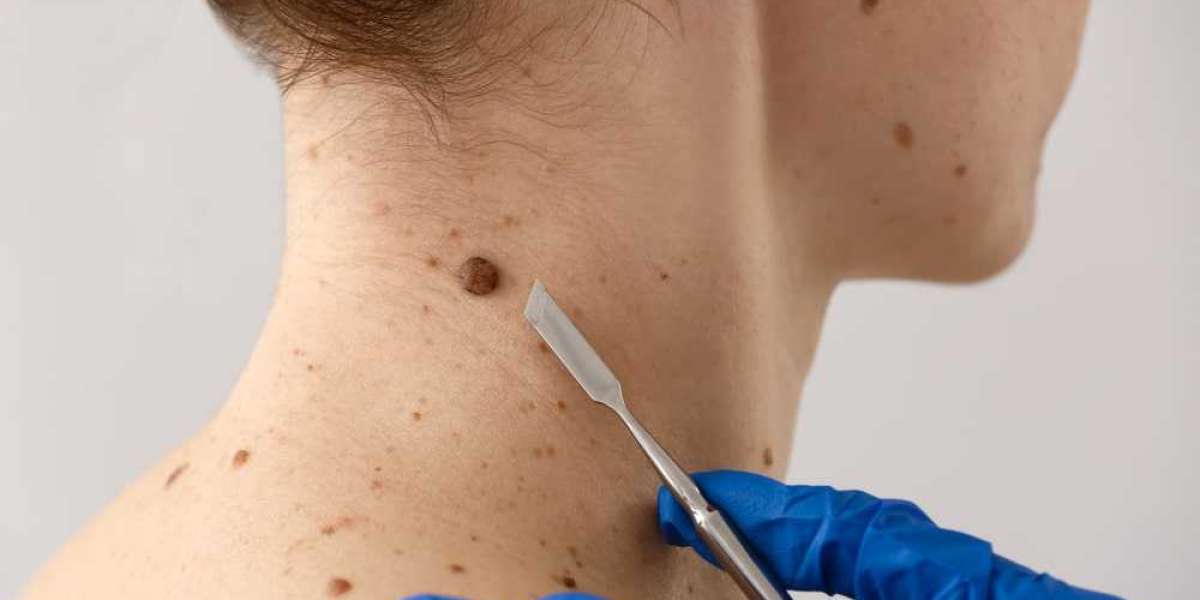

Moles are common skin growths that can appear on the face, neck, arms, back, and other parts of the body. While most are harmless, some individuals choose to have them removed because of cosmetic concerns, repeated irritation, or changes in their appearance. Understanding the available procedures and their safety considerations is essential before making a treatment decision. At Glamorous Clinic Dubai, patients can discuss their skin concerns and explore suitable options following an individual assessment. Professional Mole Removal in Dubai Abu Dhabi begins with evaluating the mole's characteristics and determining whether cosmetic treatment or further medical investigation is appropriate.
What Is Mole Removal?
Mole removal is a dermatological procedure that involves removing selected skin growths for cosmetic or medical reasons. Moles, also known as melanocytic naevi, develop when pigment-producing cells called melanocytes form clusters within the skin.
They can differ in appearance:
Colour: Brown, black, pink, or skin-coloured.
Shape: Round, oval, or irregular.
Texture: Flat, raised, smooth, or slightly rough.
Size: Small spots or larger growths.
Location: Almost anywhere on the body.
Most moles are benign. However, a mole that changes in appearance should be professionally assessed before any cosmetic removal procedure is considered.
When Should You Consider Mole Removal?
People seek professional advice about mole removal for several reasons.
Cosmetic Concerns
Moles on visible areas such as the cheeks, forehead, nose, and neck may affect a person's preferred appearance. Removing selected moles may help create a more uniform-looking skin surface.
Repeated Irritation
Raised moles can rub against clothing, jewellery, or shaving equipment. If irritation occurs repeatedly, a professional assessment can help determine whether removal is appropriate.
Changes in Appearance
A mole that grows, changes colour, develops irregular borders, or begins bleeding requires medical evaluation. These changes should not be treated as cosmetic concerns without appropriate investigation.
Personal Confidence
Some individuals feel self-conscious about prominent moles. Understanding available treatment options can help them make informed decisions based on their personal preferences.
Different Mole Removal Procedures
The most suitable technique depends on the mole's size, depth, location, appearance, and medical characteristics.
1. Surgical Excision
Surgical excision involves removing the mole along with a small margin of surrounding skin when necessary. The wound is generally closed using stitches.
This approach may be recommended for deeper or suspicious lesions. It also allows the removed tissue to be examined in a laboratory when required.
2. Shave Excision
Shave excision involves removing a raised mole at or near the skin surface using a specialised medical instrument.
It may be suitable for selected superficial, non-suspicious moles. However, it is not appropriate when a full-depth tissue sample is required for diagnosis.
3. Laser Treatment
Laser treatment uses concentrated light energy to target pigmentation in selected superficial skin lesions.
It may be considered for carefully assessed cosmetic concerns. Suspicious moles should not be treated with laser because destroying the tissue can prevent necessary laboratory examination.
4. Radiofrequency Removal
Radiofrequency techniques use controlled energy to remove selected skin growths. Their suitability depends on the characteristics of the lesion and the practitioner's assessment.
A consultation helps determine whether this method or another technique is appropriate.
Important Safety Checks Before Mole Removal
A safe treatment plan starts with a proper examination. Certain changes may indicate that a mole needs medical investigation.
The ABCDE guide highlights warning signs:
A – Asymmetry: One half looks different from the other.
B – Border: The edges appear irregular or uneven.
C – Colour: The mole has multiple or changing colours.
D – Diameter: It is larger than approximately 6 mm, although smaller lesions can also be concerning.
E – Evolving: Its size, shape, colour, or symptoms are changing.
Persistent itching, bleeding, pain, or rapid changes should also be assessed. A qualified professional may recommend dermoscopy, biopsy, or surgical removal when necessary.
What Happens During a Mole Removal Consultation?
A consultation helps determine whether removal is appropriate and which procedure may be suitable.
The process may include:
Initial examination: Assessing the mole's size, shape, colour, texture, and location.
Medical history: Discussing relevant health conditions, medications, allergies, and previous skin treatments.
Clinical evaluation: Identifying suspicious features and considering further investigation.
Treatment recommendation: Explaining suitable techniques, possible risks, and expected outcomes.
Aftercare planning: Providing instructions for wound care, recovery, and follow-up.
At Glamorous Clinic Dubai, patients can discuss their concerns and understand their treatment options before proceeding.
How to Prepare for Your Procedure
Following preparation instructions can help patients feel informed and reduce avoidable complications.
Before your appointment:
Share your medical and skin history.
Inform the practitioner about medications and supplements.
Mention any history of abnormal scarring or delayed healing.
Discuss allergies and previous treatment reactions.
Avoid picking, squeezing, or irritating the mole.
Follow the instructions provided during consultation.
Never attempt to remove a mole at home using blades, scissors, acids, or unverified products. These methods can cause infection, bleeding, scarring, and delayed diagnosis.
Recovery and Aftercare Tips
Recovery depends on the removal technique, wound depth, treatment location, and individual healing response.
Follow these general aftercare recommendations:
Keep the treated area clean as instructed.
Use recommended wound-care products.
Change dressings according to medical guidance.
Avoid scratching or picking scabs.
Protect healing skin from direct sunlight.
Avoid activities that may disturb the wound.
Attend follow-up appointments when recommended.
Temporary redness, tenderness, swelling, and scabbing may occur. Seek medical advice if you experience increasing pain, spreading redness, pus, fever, or persistent bleeding.
Possible Risks and Side Effects
Every dermatological procedure carries potential risks. Mole removal may involve:
Temporary redness and swelling.
Minor bleeding.
Infection.
Changes in skin pigmentation.
Visible scarring.
Incomplete removal or recurrence.
The final appearance depends on the mole's depth, removal technique, treatment area, and individual healing response. Completely scar-free results cannot be guaranteed.
Why Consider Glamorous Clinic Dubai?
Choosing a clinic for a skin procedure involves understanding the assessment process, available techniques, and aftercare guidance.
At Glamorous Clinic Dubai, patients can discuss unwanted moles and explore treatment recommendations based on their individual skin concerns. A consultation provides an opportunity to understand the procedure, recovery expectations, possible side effects, and realistic outcomes.
Frequently Asked Questions
1. Is mole removal a safe procedure?
Mole removal can be performed safely when the appropriate method is selected following professional assessment. Potential risks and suitability should be discussed before treatment.
2. Can every mole be removed using laser?
No. Laser treatment is not suitable for every mole, particularly suspicious lesions that require tissue examination.
3. Does mole removal leave a scar?
Scarring is possible. The final appearance depends on the removal method, mole depth, location, and individual healing characteristics.
4. Can a mole return after removal?
Yes. Some moles may recur if cells remain in the skin. Any returning or changing mole should be professionally assessed.
5. How long does recovery take?
Healing time varies according to the procedure and wound depth. Following aftercare instructions supports the healing process.
6. Should I remove a changing mole for cosmetic reasons?
A changing mole should first receive medical evaluation. A practitioner may recommend further investigation or tissue examination before considering cosmetic treatment.
Book Your Mole Removal Consultation at Glamorous Clinic Dubai
Choosing an appropriate mole removal procedure starts with understanding the mole and receiving a professional assessment. Considering medical characteristics, treatment options, possible risks, and recovery requirements helps you make an informed decision.
Explore personalised Mole Removal in Dubai Abu Dhabi options at Glamorous Clinic Dubai. Book your consultation to discuss your skin concerns, understand suitable procedures, and take an informed step towards your desired appearance.






