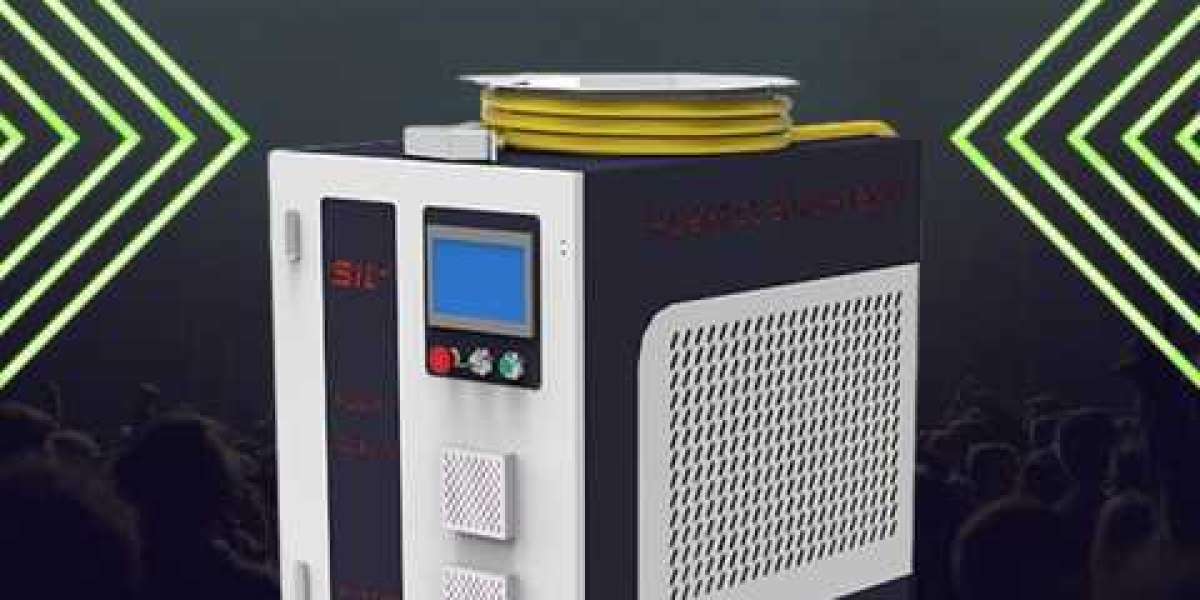

A fiber laser cleaning machine is an advanced industrial solution designed to remove rust, paint, oil, oxidation, and other unwanted contaminants from different surfaces. Using concentrated laser energy, this technology cleans materials without relying on traditional chemical treatments or abrasive methods. It is becoming increasingly popular in manufacturing, automotive, aerospace, metalworking, and maintenance industries.
As businesses look for cleaner, more precise, and efficient production processes, laser cleaning technology offers a modern approach to surface preparation and restoration.
How Does a Fiber Laser Cleaning Machine Work?
A fiber laser cleaning machine uses a high-energy laser beam to target unwanted materials on a surface. When the laser interacts with contaminants, it causes them to detach, vaporize, or break away from the base material, depending on the material and cleaning parameters.
The operator can adjust settings such as laser power, scanning speed, frequency, and pulse duration to suit different cleaning applications.
This controlled process helps remove surface contamination while minimizing unwanted effects on the underlying material when properly configured.
Common Applications in Different Industries
Laser cleaning technology is suitable for a wide range of industrial applications.
1. Rust Removal
Metal components exposed to moisture and environmental conditions often develop rust. Laser cleaning helps remove rust from steel structures, automotive components, industrial equipment, and metal tools.
2. Paint and Coating Removal
Removing old paint and protective coatings is an important part of maintenance and manufacturing. Laser systems can target unwanted coatings on metal surfaces, preparing them for repainting, welding, or further processing.
3. Oil and Grease Cleaning
Industrial components frequently accumulate oil, grease, and other residues during production. Laser cleaning can help prepare these surfaces before welding, bonding, or assembly.
4. Mold and Tool Cleaning
Manufacturing molds and precision tools require regular maintenance. Laser technology can remove accumulated residues and contaminants, helping maintain the quality of production equipment.
5. Surface Preparation Before Welding
Clean surfaces are essential for achieving consistent welding results. Laser cleaning can remove oxidation, rust, and other contaminants before welding operations.
Choosing the Right Laser Cleaning Equipment
Selecting suitable equipment depends on the type of material, contamination, cleaning area, and production requirements.
Common factors to consider include laser power, cleaning speed, beam configuration, cooling system, portability, and operating environment.
For example, lower-power systems may be suitable for light contamination and detailed cleaning tasks, while higher-power machines can handle more demanding industrial applications.
It is also important to consider the manufacturer's technical support, warranty, spare parts availability, and operator training before making a purchase.
Why Industries Are Moving Toward Laser Cleaning
Industrial manufacturers are increasingly exploring laser cleaning as an alternative to conventional surface treatment methods. Traditional processes may involve chemicals, abrasive materials, or extensive manual labor.
Laser technology provides a controlled cleaning process without requiring chemical cleaning agents or abrasive blasting media. It can also reduce secondary waste associated with consumable cleaning materials.
However, results depend on the material, contamination type, laser settings, and operator experience. Proper testing is recommended before introducing the equipment into regular production.
Safety and Maintenance Considerations
Operating laser equipment requires appropriate safety procedures. Industrial laser systems can cause serious eye and skin injuries if used incorrectly.
Operators should use suitable laser safety eyewear, protective equipment, safety enclosures, and appropriate ventilation or fume extraction systems. The working area should also have restricted access and suitable laser warning signs.
Regular maintenance, including checking optical components, cooling systems, cables, and cleaning heads, helps maintain reliable machine performance.
Final Thoughts
Laser cleaning technology is transforming the way industries approach surface preparation, rust removal, and equipment maintenance. A fiber laser cleaning machine provides a modern method for removing unwanted contaminants from metal surfaces while supporting precise and controlled cleaning operations.
For manufacturers seeking to improve their cleaning processes, investing in the right laser equipment can be a valuable step toward more efficient industrial production. Choosing a reliable supplier and matching the machine specifications to actual applications are essential for achieving consistent results.