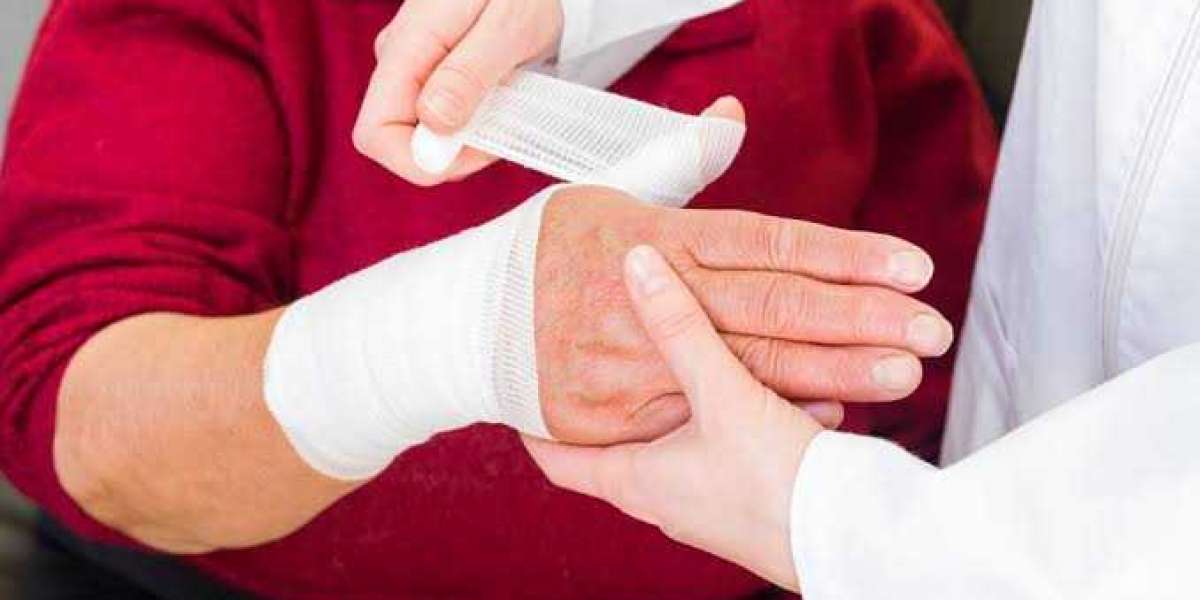

Managing multiple or complex wounds requires careful assessment, consistent dressing changes, and an individualized treatment plan. Wound Dressing at Home in Dubai offers eligible patients a convenient way to receive professional wound care in familiar surroundings, particularly when injuries, surgical wounds, or chronic ulcers make frequent clinic visits difficult. With support from qualified nurses or a Doctor at Home, patients and caregivers can better understand dressing instructions, monitor wound changes, and recognize potential complications. When several wounds need attention simultaneously, each may have different cleaning, dressing, and monitoring requirements. Professional guidance helps coordinate these needs while protecting fragile skin, supporting recovery, and ensuring that serious concerns receive appropriate medical attention.
Understanding Multiple and Complex Wounds:
Multiple wounds may occur when a patient has several injuries, surgical incisions, pressure injuries, or chronic ulcers at different locations on the body. Complex wounds can involve deeper tissue, substantial drainage, delayed healing, infection concerns, or underlying conditions that complicate recovery. Managing these wounds requires more than applying dressings because each wound may respond differently to treatment. A superficial skin tear, for example, may need a different dressing from a deep surgical wound or a diabetic foot ulcer. Healthcare professionals consider the cause, size, depth, location, drainage, surrounding skin, and the patient's overall health before determining the appropriate care plan. Patients should avoid treating every wound identically or using the same dressing materials without professional advice, particularly when wounds are deep, slow to heal, or associated with chronic medical conditions.
Why Professional Wound Assessment Is Essential:
A comprehensive wound assessment helps healthcare professionals determine the care each wound requires and identify factors that may delay healing. During an assessment, a qualified nurse may document the size and appearance of each wound, examine the surrounding skin, observe drainage, and check for signs that require further medical evaluation. The patient's medical history is also important because diabetes, poor circulation, reduced immunity, nutritional concerns, and certain medications can affect recovery. When multiple wounds are present, keeping separate records helps prevent confusion and makes it easier to compare progress during subsequent visits. If a wound is worsening, unusually painful, or showing possible signs of infection, the nurse may need to contact the treating clinician. Complex wounds may require specialist assessment rather than routine dressing changes alone.
Creating an Individualized Dressing Plan for Each Wound:
Each wound should have a clear care plan based on its condition, location, drainage level, and treatment requirements. Some wounds may need absorbent dressings, while others require non-adherent materials to protect delicate tissue or specialized products recommended by the treating clinician. The plan should specify how each wound is to be managed, how often its dressing should be reviewed or changed, and which symptoms need to be reported. Patients should not assume that a dressing appropriate for one wound will also suit another. When several wounds are treated during the same visit, the healthcare professional should follow appropriate hygiene and infection prevention procedures to reduce the risk of cross-contamination. Changes to dressings or prescribed treatments should be based on clinical assessment rather than convenience or personal preference.
Maintaining Hygiene and Preventing Cross-Contamination:
Good hygiene is especially important when caring for multiple wounds because contaminated hands, equipment, or dressing materials can transfer microorganisms between sites. Healthcare professionals follow appropriate hand hygiene and use clean or sterile supplies as required by the specific procedure. Patients and caregivers should also understand how to handle used dressings, keep supplies organized, and dispose of contaminated materials safely. Each wound should be managed according to its individual care instructions, and materials should not be reused between wounds unless a healthcare professional has explicitly confirmed that this is appropriate. Important precautions include:
Wash hands before and after permitted wound care.
Keep dressing supplies clean, dry, and properly stored.
Use the recommended materials for each individual wound.
Avoid touching wound surfaces or the contact side of sterile dressings.
Dispose of used materials safely and follow local healthcare guidance.
Do not share wound care supplies between patients.
For complex wounds, surgical packing, or advanced dressing procedures, care should be provided by an appropriately trained professional.
Managing Wound Drainage and Protecting Surrounding Skin:
Different wounds can produce different amounts of drainage, so dressing selection and replacement schedules must reflect the needs of each wound. A dressing that becomes saturated may leak fluid onto surrounding skin, increasing the risk of irritation and moisture-related damage. Conversely, an unsuitable dressing may stick to delicate tissue and cause discomfort during removal. Healthcare professionals assess drainage, dressing condition, and surrounding skin to determine whether the current approach remains suitable. Patients should follow the recommended schedule and seek advice if a dressing becomes wet, contaminated, displaced, or saturated before the next planned change. Avoid simply adding another layer over a saturated dressing or applying unapproved creams and antiseptics. If drainage increases unexpectedly or the surrounding skin becomes increasingly red, soft, blistered, or painful, the wound should be reassessed.
Recognizing Signs of Infection and Other Complications:
When several wounds are present, it is important to monitor each one because complications may develop at different rates. Warning signs include increasing redness, warmth, swelling, worsening pain, pus, an unusual new odour, or a wound becoming larger or deeper. Fever or redness spreading away from a wound may indicate a more serious problem and requires prompt medical assessment. Patients with diabetes, poor circulation, or reduced immunity should seek advice early if a wound changes or fails to improve. Heavy bleeding that does not stop with firm, continuous pressure, rapidly spreading redness, severe pain, or signs of serious illness require urgent medical attention. Do not assume that a routine dressing change will resolve these problems. Professional assessment may be needed to determine whether additional treatment, testing, or specialist referral is appropriate.
Supporting Patients With Limited Mobility or Chronic Conditions:
Patients managing multiple wounds may also experience pain, mobility difficulties, fatigue, or underlying medical conditions that complicate daily care. Older adults, people recovering from surgery, and patients who spend extended periods in bed may need assistance with repositioning, pressure relief, personal hygiene, and attending follow-up appointments. Patients with diabetes may require particular attention to foot wounds and blood glucose management, while individuals with circulation problems may need additional clinical monitoring. Caregivers can support recovery by helping maintain records, arranging appointments, and reporting new symptoms without independently changing prescribed treatment. Adequate nutrition and hydration, when medically appropriate, can support general health and tissue repair. The care plan should address the patient's overall needs, not just the appearance of individual wounds.
How Wound Dressing at Home in Dubai Supports Complex Wound Care:
Wound Dressing at Home in Dubai can help eligible patients receive professional wound assessment, prescribed dressing care, and follow-up support without unnecessary travel. This may be particularly valuable for people with multiple wounds, limited mobility, or ongoing care needs after hospitalization or surgery. During a home visit, a qualified nurse can assess each wound, follow the relevant care plan, document changes, and communicate concerns to the treating clinician. Patients should confirm the provider's qualifications and clarify whether specialist wound care or referral arrangements are available when required. Before each visit, prepare a list of current medications, relevant medical conditions, allergies, and changes noticed since the previous assessment. Home nursing can support continuity of care, but complex wounds may still require specialist consultations, investigations, or treatment at a medical facility.
Organizing Wound Care Between Professional Visits:
Consistent organization helps patients and caregivers manage several wounds without confusing their dressing schedules or instructions. Keep written records that identify each wound by its location and include the recommended dressing, change schedule, and observations from recent visits. Follow the instructions provided by the healthcare professional and avoid removing intact dressings unnecessarily. If a dressing becomes wet, contaminated, loose, or saturated, follow the care plan or seek advice about the safest response. Patients should report new pain, increased drainage, changes in wound size, or skin irritation rather than waiting until the next appointment if the problem is worsening. Do not attempt to pack deep wounds, remove embedded material, or use advanced wound products without appropriate training and clinical direction. Accurate records and timely communication help the healthcare team coordinate care more effectively.
Final Thoughts
Wound dressing for patients with multiple or complex wounds requires careful assessment, individualized dressing plans, appropriate hygiene, and regular monitoring. Each wound may have different needs, making professional guidance particularly important for preventing avoidable complications and recognizing delayed healing. Wound Dressing at Home in Dubai offers eligible patients convenient access to professional care and support in a familiar environment. Patients and caregivers should follow the prescribed treatment plan, maintain accurate wound records, and report concerning changes promptly. Complex wounds may need specialist assessment, and serious symptoms should never be left until the next scheduled visit. With coordinated care and consistent follow-up, patients can manage their wound care more safely while supporting their overall recovery.