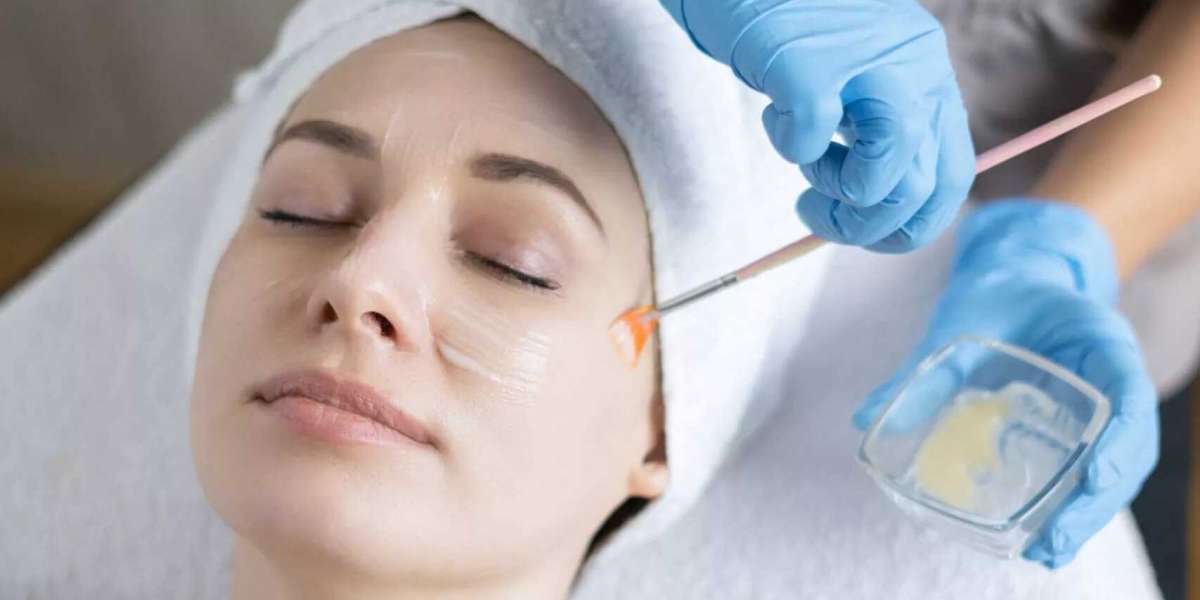

Maintaining a smooth, radiant complexion can be challenging when dullness, uneven texture, acne marks, or visible pigmentation affect the skin. Professional skin peeling is a cosmetic treatment that uses carefully selected exfoliating solutions to improve the appearance of the skin's surface. A suitable Chemical Peel Treatment in Dubai Abu Dhabi may help address selected skin concerns and support a fresher, more even-looking complexion.
At Glamorous Clinic Dubai, choosing the right treatment begins with understanding your skin type, sensitivity, and personal goals. Professional assessment helps determine whether a superficial or another type of peel may be appropriate, while allowing realistic expectations about results, recovery, and aftercare.
What Is Professional Skin Peeling Treatment?
Professional skin peeling is a skincare procedure that uses a chemical solution to exfoliate the skin in a controlled manner. Depending on the ingredients, concentration, and depth, the treatment may remove surface cells or produce a deeper exfoliating effect.
This process can help improve the appearance of dull skin, mild surface roughness, and certain types of superficial pigmentation. Some formulations are also used for selected acne-related concerns.
Unlike ordinary home exfoliation, professional peels require careful product selection and appropriate application. The strength of the treatment should match the skin concern and individual tolerance. A stronger peel is not necessarily better, and excessive exfoliation can cause irritation or unwanted pigmentation.
Benefits of Professional Skin Peeling
When appropriately selected, a chemical peel may provide several cosmetic benefits.
1. Improves Skin Texture
Surface cell buildup can contribute to roughness and an uneven feel. Controlled exfoliation may help the skin appear smoother after recovery.
2. Reduces the Appearance of Selected Dark Spots
Some superficial peels may improve the appearance of mild sun-related pigmentation and post-acne marks. The outcome depends on the type and depth of pigmentation, and complete removal cannot be guaranteed.
3. Refreshes Dull-Looking Skin
A peel can help remove accumulated surface cells, allowing the complexion to appear fresher and more radiant. Maintaining hydration and sun protection is also important for healthy-looking skin.
4. Supports Acne-Prone Skincare
Certain formulations, including salicylic acid peels, may help with clogged pores and oily skin. They may be considered when blemishes contribute to uneven texture, but active acne and skin sensitivity need careful assessment.
5. Complements a Personalised Skincare Routine
Professional peeling can form part of a wider skincare plan. Gentle cleansing, moisturising, and daily sunscreen use help maintain the skin barrier and protect against further sun-related changes.
Types of Professional Skin Peels
Different peel formulations are designed for different concerns. A skincare professional can help select the appropriate option after evaluating your skin.
Superficial Chemical Peels
Superficial peels mainly affect the outermost layers of the skin. They may be considered for mild dullness, uneven texture, and selected superficial pigmentation. Recovery is generally shorter than with deeper peels, although temporary redness, dryness, and flaking can occur.
Glycolic Acid Peels
Glycolic acid is an alpha hydroxy acid that exfoliates the skin's surface. Depending on its concentration and formulation, it may help improve dullness, mild roughness, and some superficial dark spots.
Lactic Acid Peels
Lactic acid is another alpha hydroxy acid used in exfoliating treatments. It may be suitable for selected concerns involving surface dullness and texture, depending on the formulation and skin's sensitivity.
Salicylic Acid Peels
Salicylic acid is often considered for oily or acne-prone skin because it helps exfoliate within pores. It may support the management of congestion and selected blemish-related concerns, although suitability varies.
The most appropriate peel depends on your skin condition, medical history, and tolerance. Stronger formulations may require more recovery time and carry a greater risk of side effects.
What to Expect During a Professional Peel
A professional appointment generally begins with a consultation. Your skincare professional should discuss your concerns, medical history, current products, previous treatments, and any history of sensitivity or pigmentation changes.
The treatment may include these steps:
Skin assessment: Your skin type, texture, and treatment goals are reviewed.
Cleansing: The skin is cleansed to prepare it for the procedure.
Peel application: The selected solution is applied according to its treatment protocol.
Removal or neutralisation: This depends on the formulation being used.
Aftercare guidance: You receive instructions on moisturising, sun protection, and when to resume active skincare products.
Mild tingling or warmth may occur during application. Temporary redness, dryness, tightness, or peeling can develop afterward. The recovery period varies according to the peel's depth and your individual response.
Who May Benefit From Skin Peeling?
Professional peeling may be considered for people experiencing:
Dull-looking skin or mild surface roughness.
Selected superficial dark spots or uneven pigmentation.
Certain post-acne marks.
Oily skin or clogged pores that may benefit from an appropriate formulation.
Mild textural irregularities.
Not everyone is a suitable candidate. Active skin infections, irritation, certain medical conditions, and some medications may affect treatment decisions. People prone to post-inflammatory hyperpigmentation need particular care because irritation may cause additional discoloration. Melasma also requires cautious assessment, as inflammation and sunlight can worsen it.
Tell your professional about any history of cold sores, keloid scarring, recent isotretinoin use, or reactions to skincare ingredients before treatment.
Essential Aftercare for Better Skin Results
Aftercare protects the skin while it recovers and helps reduce the risk of complications.
Use a gentle cleanser and a suitable moisturiser.
Apply broad-spectrum sunscreen with SPF 30 or higher every day.
Reapply sunscreen as directed, especially when outdoors.
Avoid picking, rubbing, or pulling at flaking skin.
Temporarily avoid retinoids, exfoliating acids, scrubs, and other irritating products until your professional advises that they can be resumed.
Follow any guidance about makeup, strenuous exercise, and heat exposure during recovery.
Sun protection is especially important in Dubai's sunny climate. Excessive sunlight after a peel may increase irritation and contribute to renewed pigmentation.
Frequently Asked Questions
How many skin peeling sessions are needed?
The number of sessions depends on your skin concern, the peel selected, and how your skin responds. Some concerns may improve after one session, while others require a planned series.
When can I see results?
Some people notice a fresher appearance after the skin recovers. Improvements in pigmentation and texture may take several weeks or multiple sessions, and results vary between individuals.
Is professional skin peeling suitable for sensitive skin?
Some people with sensitive skin may require a gentler option or an alternative treatment. A professional assessment is important before proceeding.
Does skin peeling permanently remove pigmentation?
No. Certain superficial pigmentation may become less visible, but results vary and pigmentation can return. Sun protection and appropriate ongoing skincare are important.
Explore Professional Skin Peeling at Glamorous Clinic Dubai
Choosing a treatment based on your skin's specific needs can help you approach cosmetic skincare safely and realistically. A personalised Chemical Peel Treatment in Dubai Abu Dhabi plan should consider your skin type, sensitivity, pigmentation concerns, and recovery expectations.
Contact Glamorous Clinic Dubai to discuss your skincare goals and explore suitable treatment options. With professional guidance, consistent aftercare, and daily sun protection, you can work toward smoother-looking skin and a fresher, more balanced complexion.