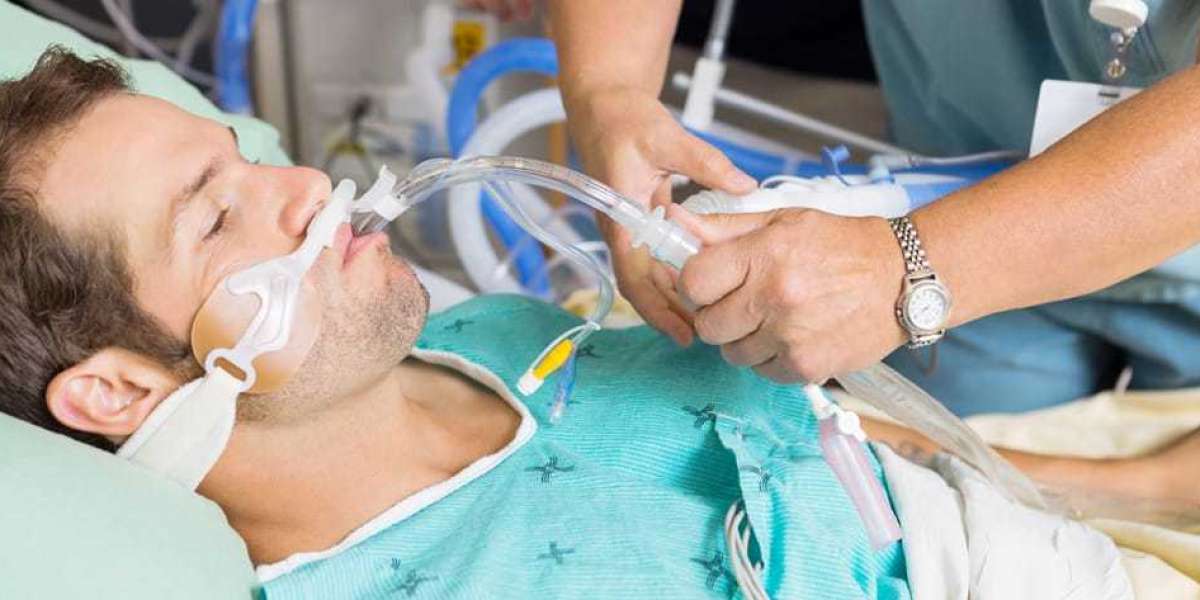

Maintaining proper hygiene and infection control is essential for patients who depend on ventilators at home, particularly those with complex respiratory conditions or weakened health. Ventilator Care At Home In Dubai helps eligible patients receive respiratory support in familiar surroundings, where consistent cleaning routines and safe caregiving practices can help reduce avoidable infection risks. With guidance from trained nurses and healthcare professionals, families can learn how to maintain a clean care environment, handle equipment correctly, and recognize possible signs of infection. A Doctor at Home service may also support medical assessments and follow-up when appropriate. Following an individualized care plan helps protect patient comfort while supporting safer respiratory care at home.
Understanding the Importance of Infection Control:
Patients receiving ventilator support may be vulnerable to respiratory infections because of their underlying conditions, reduced mobility, or the presence of airway devices such as a tracheostomy. Germs can spread through contaminated hands, frequently touched surfaces, respiratory secretions, or incorrectly handled equipment. Effective infection control therefore involves more than cleaning the room; it requires consistent hand hygiene, appropriate protective equipment, safe airway care, and correct maintenance of respiratory supplies. Families should understand that no hygiene routine can eliminate every infection risk, but following professional guidance can help reduce preventable exposure. The patient's healthcare team should explain which precautions are required based on the type of ventilator, airway device, and individual medical needs.
Practicing Proper Hand Hygiene Before and After Care:
Hand hygiene is one of the simplest and most important ways to reduce the spread of germs during home ventilator care. Caregivers should clean their hands before touching the patient or handling respiratory equipment, before performing a clean procedure, and after contact with respiratory secretions, bodily fluids, or contaminated items. Soap and running water are appropriate when hands are visibly dirty; an alcohol-based hand sanitizer may be used when suitable and hands are not visibly soiled. Hands should also be cleaned after removing gloves because gloves do not replace hand hygiene. Families should keep handwashing supplies readily available near the care area and ensure that everyone involved in caregiving understands and follows the same routine.
Cleaning and Maintaining Ventilator Equipment Safely:
Ventilator equipment must be maintained according to the manufacturer's instructions and the patient's clinical care plan. Caregivers should understand which external surfaces and accessories require routine cleaning, which components may be disinfected, and which items must be replaced rather than washed. Not every ventilator component can be cleaned in the same way, and inappropriate cleaning products or methods may damage equipment or create additional risks. Avoid introducing liquids into the ventilator or using unapproved chemicals. Filters, tubing, humidification equipment, and other accessories should be inspected, cleaned, or replaced only as directed. If a component appears damaged, contaminated, or malfunctioning, contact the appropriate healthcare professional or equipment provider rather than attempting an improvised repair.
Following Safe Airway and Tracheostomy Care Practices:
Some patients who receive long-term ventilator support have a tracheostomy and need specialized airway care. These procedures require training because incorrect handling can cause injury, contamination, or breathing complications. Caregivers should follow the exact instructions provided by qualified healthcare professionals for the patient's airway device, including the required supplies, hygiene measures, and reporting procedures. Suctioning, tracheostomy dressing changes, and other specialized interventions should only be performed by appropriately trained and authorized individuals. Supplies should be stored cleanly, and single-use products should never be reused unless the manufacturer and clinical instructions specifically permit it. New redness, swelling, unusual discharge, fever, or changes in respiratory secretions should be reported promptly to the healthcare team.
Keeping the Patient's Surroundings Clean and Organized:
A clean, organized care area can help reduce unnecessary contamination and make daily caregiving easier. Frequently touched surfaces, such as bedside tables, bed controls, equipment stands, and door handles, should be cleaned according to an appropriate household and clinical routine. Bedding and clothing should be changed when soiled and laundered using suitable household practices. Waste, including materials contaminated with respiratory secretions, should be handled and disposed of according to the healthcare team's instructions and local requirements. Keep food, drinks, and unnecessary objects away from designated clean supplies. Pets and visitors should be managed in a way that follows the patient's infection-control plan, especially when someone in the household is unwell. Avoid excessive use of fragrances or harsh cleaning chemicals that may irritate the patient's airways.
Using Gloves and Other Protective Equipment Correctly:
Gloves, masks, and other protective equipment may be necessary for specific caregiving tasks, depending on the patient's condition and the likelihood of contact with respiratory secretions. The healthcare team should explain when each item is appropriate and how to put it on, remove it, and dispose of it safely. Gloves should be changed between contaminated and clean tasks, and they should never be treated as a substitute for hand hygiene. Caregivers should avoid touching their face or clean equipment with contaminated gloves. Used protective items should be discarded according to the care plan and local waste guidance. Families should also avoid unnecessary use of protective equipment that is not indicated, while ensuring that recommended precautions are followed consistently.
Preventing Cross-Contamination During Daily Care:
Cross-contamination occurs when germs are transferred from a contaminated person, surface, or item to a clean area or piece of equipment. Caregivers can reduce this risk by separating clean supplies from used materials, preparing the required items before beginning a procedure, and cleaning their hands between different tasks. Reusable equipment should be handled and maintained according to its instructions, while single-use items should be discarded as directed. Caregivers should avoid placing clean supplies on bedding or surfaces that may be contaminated. Useful infection-control habits include:
Store clean respiratory supplies in a designated, dry, protected area.
Keep used equipment and contaminated materials separate from clean items.
Clean hands before handling ventilator accessories or airway-care supplies.
Follow the approved cleaning and replacement schedule for each component.
Avoid sharing personal-care or airway-care supplies between patients.
Ask the healthcare team when the correct procedure for an item is unclear.
These habits can help make infection prevention more consistent during daily care.
Recognizing Possible Signs of Infection:
Early recognition of infection can help patients receive timely clinical assessment. Caregivers should watch for fever, worsening cough, changes in the amount or appearance of respiratory secretions, redness around an airway site, unusual fatigue, or a change in the patient's usual breathing pattern. Some patients may develop less obvious symptoms, so any significant change should be discussed with the healthcare team. Keep a record of symptoms and their onset when doing so does not delay care. Do not start antibiotics, change medications, or modify ventilator settings without appropriate clinical direction. If the patient experiences severe breathing difficulty, blue or grey lips, sudden unresponsiveness, or rapid deterioration, seek emergency assistance immediately rather than waiting for a routine appointment.
Educating Family Caregivers and Healthcare Workers:
Infection-control practices are most effective when everyone involved in the patient's care follows consistent procedures. Families should receive clear instructions from qualified professionals on hand hygiene, equipment maintenance, protective equipment, airway care, and the safe handling of contaminated materials. Practical demonstrations and refresher training can help caregivers remain confident, particularly when the patient's equipment or condition changes. A written checklist can clarify daily and weekly responsibilities, while a record of cleaning and equipment maintenance may help identify missed tasks. Caregivers should feel comfortable asking questions rather than guessing how to clean a device or perform a procedure. Professional nurses can reinforce safe habits and help families recognize when additional assessment or training is needed.
Coordinating Professional Support for Home Ventilator Care:
Regular communication with the treating clinician, home nursing provider, and equipment supplier helps ensure that hygiene practices remain suitable for the patient's needs. Skilled healthcare professionals can explain device-specific cleaning requirements, review airway-care techniques, and advise families about symptoms that need clinical attention. For patients receiving Ventilator Care At Home In Dubai, coordinated support can help caregivers follow consistent procedures while reducing uncertainty about equipment handling and infection prevention. Families should report recurring equipment contamination, suspected infection, or difficulties maintaining the prescribed routine. Clinical follow-up is also an opportunity to review supplies, reinforce caregiver training, and update instructions when necessary. Professional guidance is particularly important after hospital discharge or when new respiratory equipment is introduced.
Final Thoughts.
Maintaining hygiene and infection control during home ventilator care requires consistent hand hygiene, correct equipment maintenance, safe airway care, and a clean, organized environment. Families should follow device-specific instructions, use protective equipment when indicated, and receive appropriate training before performing specialized procedures. Monitoring for possible infection and reporting changes promptly can support timely assessment, while severe respiratory symptoms require immediate emergency assistance. Every patient's needs are different, so infection-prevention measures should be guided by qualified healthcare professionals. With a clear care plan and reliable professional support, Ventilator Care At Home In Dubai can help eligible patients receive more organized respiratory care while prioritizing safety, comfort, and wellbeing.