
A baseball glove is an important part of a player's equipment because it helps with catching, fielding, and controlling the ball. Different positions require different glove shapes, sizes, and pocket designs. When selecting Baseball Gloves, players should consider their position, age, hand size, playing style, and the type of baseball they play. Understanding these differences can make it easier to identify a glove that matches specific fielding requirements.
What Are Baseball Gloves?
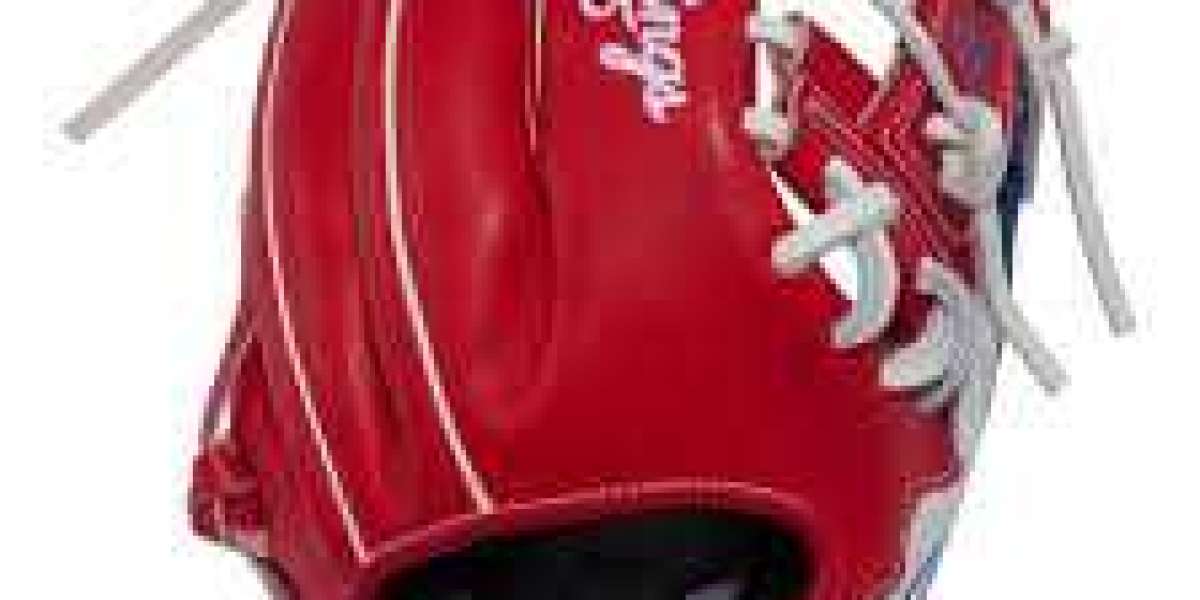
Baseball gloves are protective and functional pieces of fielding equipment designed to help players catch and secure baseballs. They are typically made from leather or synthetic materials and include features such as a pocket, webbing, fingers, wrist opening, and lacing.
The design of a glove can vary considerably depending on its intended position. An infielder generally needs a different glove from an outfielder or catcher because the speed and type of plays at each position can differ.
Types of Baseball Gloves by Position
Infield Gloves
Infield gloves are generally designed for quick transfers and rapid ball handling. Their smaller profiles can help players move the ball from the glove to the throwing hand efficiently.
Middle infielders may prefer gloves with shallow or moderate pockets, while third basemen can use slightly larger designs to help handle harder-hit balls.
Outfield Gloves
Outfield gloves are usually larger than infield models. The additional length can provide a larger catching area and help players track fly balls.
Many outfield gloves have deeper pockets designed to help secure balls during catches made while running or reaching overhead.
First Base Mitts
First base mitts have a distinctive design compared with standard fielding gloves. They generally feature a longer shape and lack individual finger stalls.
The design provides a broad catching surface that can be useful when receiving throws from other infielders.
Catcher's Mitts
Catcher's mitts are heavily structured and designed specifically for catching pitches. They do not have individual finger stalls like standard fielding gloves.
Their rounded shape and reinforced construction are intended to withstand repeated catches behind home plate.
Glove Sizes
Glove size is another important consideration when selecting baseball equipment. Sizes vary depending on position and player age.
Youth players generally use smaller gloves that are easier to control, while adult players may use larger models depending on their position.
Infield gloves are commonly smaller than outfield gloves, while first-base mitts and catcher's mitts follow their own sizing systems.
Materials Used in Baseball Gloves
Leather is one of the most common materials used in baseball gloves. Different types of leather can vary in softness, stiffness, durability, and break-in time.
Synthetic gloves are also available and are often designed to provide a lighter option. They can be useful for younger players who are still developing hand strength and catching technique.
Web Designs
The web is the section of the glove that connects the fingers and forms part of the catching pocket. Different web patterns can provide different levels of visibility, flexibility, and pocket structure.
Common designs include closed webs, I-webs, H-webs, basket webs, and other position-specific patterns. The preferred web style often depends on the player's position and personal preference.
Pocket Depth and Glove Control
Pocket depth can influence how a player catches and transfers the ball. A shallow pocket may support quick transfers, which can be useful for middle infielders.
A deeper pocket can provide additional ball security and is often associated with outfield gloves. Players should consider how they typically field the ball when deciding which pocket design works for them.
Choosing Baseball Gloves for Different Players
When choosing Baseball Gloves, players should consider more than just size. Hand fit, position, material, web style, pocket depth, and break-in characteristics can all affect how the glove feels during play.
Youth players may benefit from lighter and more flexible models, while experienced players may prefer gloves with specific leather characteristics and position-focused designs.
Baseball Gloves at Sports Excellence
Sportsexcellence offers baseball and softball equipment from brands including Rawlings, Easton, Mizuno, Wilson, and Louisville Slugger. Its current baseball and softball selection includes hundreds of glove options across different positions, including infield, outfield, first base, catcher, and fastpitch categories.
The selection also includes different glove sizes and both right-hand-throw and left-hand-throw configurations, allowing players to compare models according to their playing requirements.
Glove Break-In and Maintenance
A new glove may feel stiff when first purchased, particularly when made from certain types of leather. Break-in methods can vary depending on the manufacturer's recommendations and the material of the glove.
Regular maintenance can help preserve the glove's condition. Players should keep the glove clean, avoid excessive moisture, inspect the laces periodically, and store it in a suitable environment when not in use.
Final Considerations
Baseball Gloves are available in many designs, sizes, materials, and configurations to accommodate different playing positions and player preferences. An infield glove may prioritize quick transfers, while an outfield glove may emphasize reach and pocket depth. First-base mitts and catcher's mitts have specialized designs for their respective positions.
Considering position, size, fit, material, web design, and maintenance requirements can help players make a more informed equipment decision. With a wide selection of baseball and softball gloves available from major brands, players can compare different designs according to their individual fielding needs.