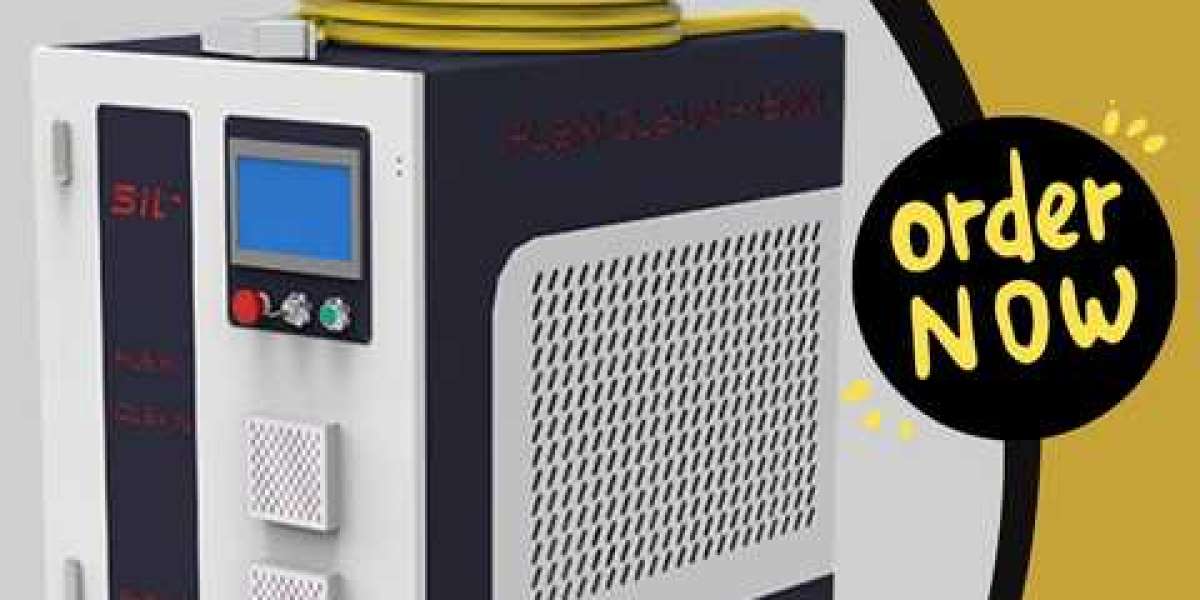

Rust is one of the most common problems affecting metal surfaces, machinery, tools, automotive components, industrial equipment, and structural parts. Removing rust effectively is important for maintaining the appearance, functionality, and working life of metal products. Traditional cleaning methods often involve abrasive materials, chemicals, grinding, or manual scrubbing, which can require considerable labor and preparation. Modern laser technology offers another approach through precision-based surface treatment.
A laser rust cleaner uses concentrated laser energy to remove rust, oxidation, paint residues, and other unwanted contaminants from metal surfaces. The process can be controlled according to the material and the type of contamination, making it suitable for different industrial and maintenance applications. As businesses continue looking for cleaner and more precise surface treatment methods, laser cleaning technology is becoming increasingly relevant.
Understanding Laser Rust Cleaning Technology
A laser rust cleaner works by directing a focused laser beam toward a contaminated metal surface. Rust and other unwanted materials absorb the laser energy differently from the underlying metal. When the laser parameters are properly adjusted, the contamination can be removed while the base material remains largely unaffected.
The cleaning process is commonly known as laser ablation. The laser energy interacts with the rust layer and causes it to separate from the surface. Depending on the equipment and application, the removed particles can be collected using an appropriate extraction or ventilation system.
This controlled approach makes laser cleaning useful for applications where maintaining the original surface condition is important. Operators can adjust factors such as laser power, scanning speed, frequency, and beam characteristics according to the cleaning requirement.
Why Rust Removal Matters for Metal Equipment
Rust develops when iron or steel reacts with oxygen and moisture. If it remains untreated, corrosion can continue to spread and gradually affect the condition of the material. Industrial machinery, workshop tools, automotive parts, molds, pipes, metal structures, and manufacturing components can all experience corrosion problems.
Regular rust removal helps prepare surfaces for additional processes such as painting, coating, welding, inspection, or restoration. A clean surface can also make it easier for technicians to identify cracks, surface defects, and other problems that may otherwise remain hidden underneath corrosion.
For businesses that regularly maintain metal equipment, having a dedicated cleaning process can make surface preparation more organized and consistent.
Applications of a Laser Rust Cleaner
Laser rust cleaning can be used in many industries because metal components are found in almost every manufacturing and maintenance environment. Workshops may use laser cleaning equipment to restore tools, machinery components, metal frames, and fabricated parts.
In the automotive sector, laser cleaning can be applied to selected components affected by rust, oxidation, paint, and other surface contamination. Restoration professionals can also use controlled laser cleaning when working with older metal parts where preserving the original surface is important.
Manufacturing companies may use laser cleaning for molds, machine components, fixtures, and production equipment. Shipbuilding and heavy industries can also require corrosion removal from larger metal structures and components.
Other applications include:
- Rust removal from steel components
- Cleaning industrial machinery
- Surface preparation before welding
- Preparation before painting or coating
- Restoration of metal tools and parts
- Removal of oxidation from selected components
- Cleaning molds and manufacturing fixtures
- Maintenance of metal structures
Laser Rust Cleaner for Industrial Maintenance
Industrial equipment requires regular maintenance because contamination and corrosion can affect production processes. When machinery becomes contaminated, technicians need a practical method for preparing surfaces without unnecessarily damaging the underlying material.
A laser rust cleaner can be integrated into maintenance workflows where precision cleaning is required. Depending on the machine design, operators may clean specific sections of equipment rather than treating an entire component.
Portable systems are particularly useful for maintenance teams that need to move equipment between workstations or clean components at different locations. Handheld laser cleaning systems can provide greater flexibility for technicians working with different shapes and sizes of metal surfaces.
Preparing the Surface Before Laser Cleaning
Proper preparation can improve the cleaning process. Before using laser equipment, the operator should inspect the metal surface and identify the type and thickness of contamination. Rust can vary significantly depending on environmental exposure, material composition, moisture, and the age of the component.
Loose contamination may need to be removed before starting. The operator should also determine whether the base material requires special treatment. Different metals and coatings may respond differently to laser energy, so appropriate machine settings are essential.
Testing a small area before treating the complete component is a useful practice. It allows the operator to evaluate the cleaning result and adjust the laser parameters when necessary.
Choosing the Right Laser Cleaning Equipment
Different laser cleaning machines are designed for different working requirements. When selecting equipment, businesses should consider the type of metal, size of the components, thickness of the rust, cleaning speed requirements, operating environment, and frequency of use.
Laser power is an important consideration, but it should not be viewed in isolation. The correct combination of power, scanning speed, frequency, and beam settings depends on the material and contamination.
For workshop applications, compact and portable systems may be convenient. For industrial production environments, higher-powered equipment may be more suitable for larger workloads.
The machine's control system should also allow operators to adjust cleaning parameters according to the application. Reliable operation, suitable safety equipment, technical support, and operator training are important parts of implementing laser cleaning technology.
Safety During Laser Rust Cleaning
Laser cleaning equipment must be operated responsibly because industrial lasers can present serious eye and skin hazards. Operators should follow the manufacturer's safety instructions and use appropriate protective equipment.
The cleaning area should be properly controlled to prevent unauthorized exposure to the laser beam. Depending on the material being removed, airborne particles and fumes may also be generated during the cleaning process. Suitable extraction and ventilation arrangements should therefore be considered.
Workers should receive proper training before operating laser cleaning equipment. Machine-specific instructions, protective measures, emergency procedures, and workplace regulations should always be followed.
Laser Cleaning Compared with Traditional Rust Removal
Traditional rust removal methods include abrasive blasting, grinding, wire brushing, chemical treatment, and mechanical cleaning. Each method has applications where it may be appropriate, but they can involve additional consumables, physical contact, or chemical handling.
Laser cleaning takes a different approach by using controlled light energy rather than direct mechanical abrasion. This makes it particularly interesting for precision applications where operators want to minimize physical contact with the surface.
The appropriate cleaning method depends on the component, contamination, production requirements, workplace conditions, and available equipment. Laser cleaning can therefore be considered as part of a broader surface-treatment strategy rather than a universal replacement for every cleaning technique.
Maintaining Consistent Cleaning Results
Consistent results depend on correct machine settings and operator technique. Operators should monitor the surface during cleaning and avoid unnecessary exposure of the same area when the contamination has already been removed.
Regular equipment maintenance is also important. Optical components, ventilation systems, cables, controls, and other machine parts should be inspected according to the manufacturer's recommendations.
Keeping records of successful cleaning parameters can help operators reproduce suitable results when similar components need to be processed in the future. This can be especially useful for manufacturing businesses handling repeated cleaning tasks.
Growing Use of Laser Surface Cleaning
As manufacturing and maintenance industries continue to focus on precision, efficiency, and controlled surface treatment, laser cleaning is receiving greater attention. The technology can be used for restoration, preparation, maintenance, and industrial cleaning applications involving different types of metal surfaces.
A laser rust cleaner can provide businesses with a modern method for addressing corrosion and surface contamination while allowing operators to control the cleaning process according to the application.
From small workshop components to industrial machinery, laser cleaning technology offers a flexible approach to metal surface restoration. The correct machine, suitable laser parameters, trained operators, and appropriate safety procedures are essential for achieving reliable results.
Final Thoughts
Rust can significantly affect metal equipment, tools, components, and structures when it is not properly managed. Modern laser cleaning technology provides a controlled method for removing rust and other unwanted surface contaminants from suitable materials.
A laser rust cleaner can be incorporated into workshops, manufacturing facilities, restoration operations, and industrial maintenance environments. By selecting equipment according to the intended application and following proper operating and safety procedures, businesses can develop an effective approach to modern metal surface cleaning.