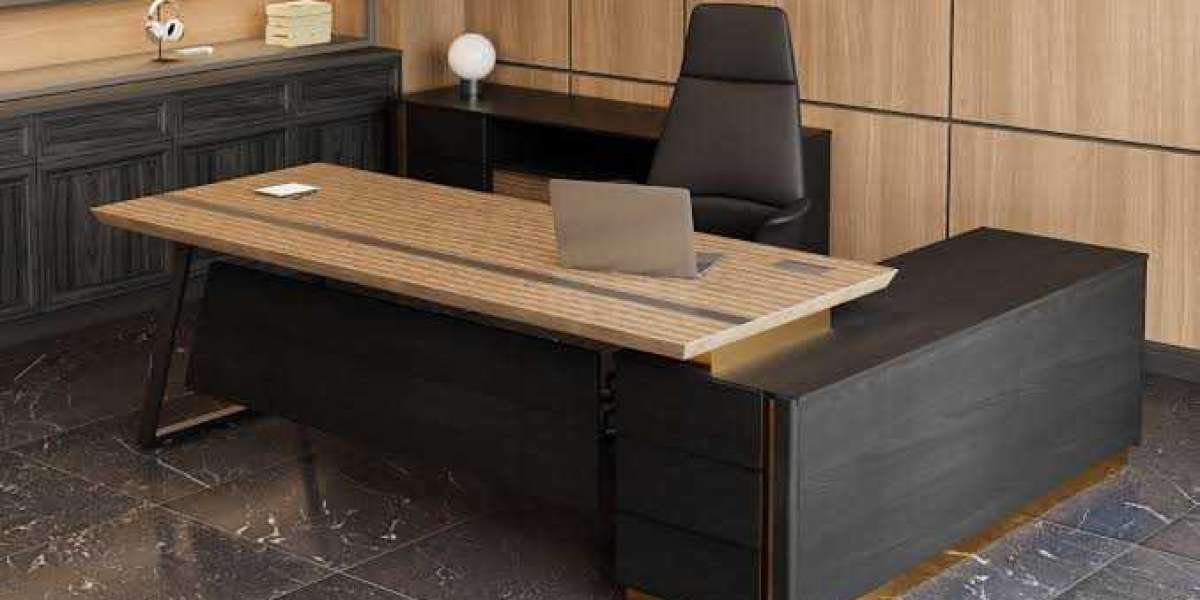

A successful workplace is about more than computers, technology, and business processes. The physical environment also affects how employees experience their working day. Comfortable seating, practical workstations, attractive meeting areas, and organized storage can create a workplace where people feel more comfortable and engaged. This is why office furniture deserves careful attention when businesses design or update their workspaces.
Furniture can influence how employees interact with one another, how comfortably they complete daily tasks, and how they perceive their workplace. A thoughtfully designed office can support communication while also giving employees areas where they can focus.
As businesses continue to rethink traditional workplaces, furniture has become an important part of creating a positive office culture.
What Is Workplace Culture?
Workplace culture refers to the shared environment, values, behaviors, and experiences within a company. It can influence communication, teamwork, employee satisfaction, and the way people approach their responsibilities.
While culture is often associated with leadership and company policies, the physical office can also contribute to it.
For example, an office filled with large individual cubicles may encourage privacy and independent work. A workplace with shared tables and comfortable collaboration areas may encourage more communication.
Therefore, furniture choices should support the type of culture a business wants to create.
Comfortable Furniture Shows Employees They Matter
Employees spend a large part of their working day at their desks. If their chairs, desks, or workstations are uncomfortable, the workplace can quickly become frustrating.
Comfortable office furniture sends a simple message: employee well-being matters.
Ergonomic chairs can provide adjustable support, while suitable desks can provide enough space for computers and documents. Adjustable furniture can also accommodate employees with different body sizes and working preferences.
Comfort should not be viewed as an unnecessary luxury. It is a practical part of creating an environment where employees can work effectively.
Ergonomic Chairs and Employee Comfort
Chairs are among the most important pieces of workplace furniture. Employees who sit for long periods need seating that supports a comfortable working position.
Modern ergonomic chairs often include adjustable height, armrests, back support, and reclining features. These adjustments allow employees to customize their chairs.
A suitable chair should also allow natural movement while providing adequate support.
Businesses should test chairs before purchasing large quantities whenever possible. Employees can provide valuable feedback about comfort and adjustability.
Selecting chairs based on real workplace needs can lead to a more comfortable environment.
Desks Should Support Different Working Styles
Not every employee works in the same way. Some people spend most of their day using computers, while others frequently work with documents, equipment, or customers.
For this reason, desks should be selected according to the tasks employees perform.
Large desks may be useful for employees who use multiple monitors. Smaller desks may be more appropriate for workers with minimal equipment.
Adjustable desks can provide even more flexibility. Employees can change the desk height to suit different working positions.
Providing choices can help employees create workstations that suit their individual needs.
Furniture Can Encourage Collaboration
Teamwork is essential in many organizations. Employees often need spaces where they can discuss ideas, review projects, and solve problems together.
Furniture can help create these opportunities.
Large shared tables can support team projects, while small round tables can provide informal meeting spaces. Comfortable lounge seating can also encourage casual discussions.
The arrangement of furniture matters as much as the furniture itself. Chairs positioned around a shared table naturally create a space for communication.
By creating dedicated collaboration areas, businesses can make teamwork easier without requiring employees to use formal conference rooms for every discussion.
Create Quiet Spaces for Focus
Although collaboration is important, employees also need opportunities to work without distractions.
An office that is constantly noisy can make it difficult to complete tasks that require concentration.
Businesses can use furniture to create quieter areas. High-back chairs, acoustic panels, privacy screens, and enclosed work booths can help separate focused work areas from busier sections.
This creates a more balanced workplace. Employees can move to a collaborative area when they need discussion and use a quieter space when they need concentration.
Flexible Furniture Supports Modern Workplaces
Modern workplaces are rarely static. Teams change, projects end, employees move between departments, and businesses grow.
Flexible office furniture can make these changes easier.
Modular desks can be rearranged to create different workstation configurations. Movable tables can transform a room from a meeting area into a training space.
Mobile storage units can also be moved when office layouts change.
This flexibility can reduce the need for major renovations. Businesses can adjust their workspace by rearranging furniture rather than completely redesigning the office.
Furniture and Employee Interaction
The physical arrangement of an office can influence how employees communicate.
When employees are separated by large physical barriers, spontaneous communication may be less common. Open arrangements can make it easier to ask questions and share information.
However, completely open offices are not suitable for every task. Employees may still need privacy for meetings, phone calls, or concentrated work.
The best approach is often a combination of open and private areas.
Furniture can help create these different zones without requiring permanent walls.
Reception Furniture Creates a First Impression
The reception area is often the first part of a business that clients and visitors experience.
A professional reception desk, comfortable seating, and attractive design can create a positive first impression.
Reception furniture should be functional as well as attractive. The desk should provide enough workspace for reception staff, while seating should accommodate visitors comfortably.
The colors and materials should also complement the company's branding.
A well-designed reception area can communicate professionalism before a conversation even begins.
Break Areas Need Attention Too
Employees need places where they can take breaks during the working day. A comfortable break area can provide a useful change from traditional workstations.
Simple furniture such as sofas, chairs, tables, and stools can create a welcoming space.
Break areas can also encourage informal communication. Employees from different departments may interact naturally when sharing a comfortable space.
This can help strengthen workplace relationships and create a more relaxed office atmosphere.
Office Furniture Can Reflect Company Values
Furniture can communicate aspects of a company's identity.
A company that values sustainability may choose furniture made from recycled or responsibly sourced materials. A technology-focused business may prefer modern, minimalist designs.
A creative company may use colorful furniture and flexible collaboration areas.
The goal is not to follow every design trend. Instead, furniture should reflect the organization's identity and the way its employees work.
A consistent office design can make the workplace feel more connected to the company's overall brand.
Sustainable Furniture Choices
Sustainability is becoming an important consideration for many organizations.
Businesses can make environmentally conscious furniture choices by considering durable products, recycled materials, and responsible manufacturing practices.
Durability is especially important. Furniture that lasts longer may need to be replaced less frequently.
Companies can also consider refurbishing existing furniture. Reupholstering chairs, refinishing desks, or repairing storage units can extend the useful life of existing products.
Sustainable decisions can benefit both the environment and the company's long-term budget.
Furniture for Hybrid Employees
Hybrid work has introduced new challenges for office design. Some employees may only visit the office a few days each week.
Businesses may therefore use shared workstations instead of providing a permanent desk for every employee.
Personal lockers can give employees secure storage for their belongings. Mobile furniture can also make it easier to adapt workspaces for different users.
Technology-friendly desks are another useful option. Employees can quickly connect laptops, monitors, and other devices without complicated setups.
Choosing Furniture With Employees in Mind
Businesses should involve employees when making major furniture decisions.
A chair that feels comfortable to one person may not work for another. Similarly, some employees may prefer standing desks while others prefer traditional workstations.
Employee surveys and trials can provide useful information before a large purchase.
This approach can also make employees feel involved in workplace decisions. When people believe their needs have been considered, they may have a more positive view of the office environment.
Maintaining a Positive Office Environment
Furniture alone cannot create a strong workplace culture. However, it can support the policies and values a business wants to encourage.
Regular maintenance is also important. Damaged chairs, broken desks, or cluttered storage areas can quickly make an office feel neglected.
Businesses should inspect furniture regularly and address maintenance issues promptly.
Clean, functional, and comfortable furniture helps maintain a professional workplace throughout the year.
Final Thoughts
Office furniture plays an important role in shaping the employee experience. The right furniture can support comfort, communication, teamwork, focus, and flexibility.
Ergonomic chairs can improve everyday comfort, while adjustable desks can support different working preferences. Collaboration tables can encourage teamwork, and privacy furniture can provide quiet areas for focused tasks.
Businesses should therefore think beyond appearance when selecting furniture. The best choices should reflect employee needs, workplace culture, available space, company values, and future requirements.
A well-designed office does not need to be expensive or complicated. With thoughtful planning and suitable furniture, businesses can create a workplace where employees feel comfortable, supported, and ready to do their best work.