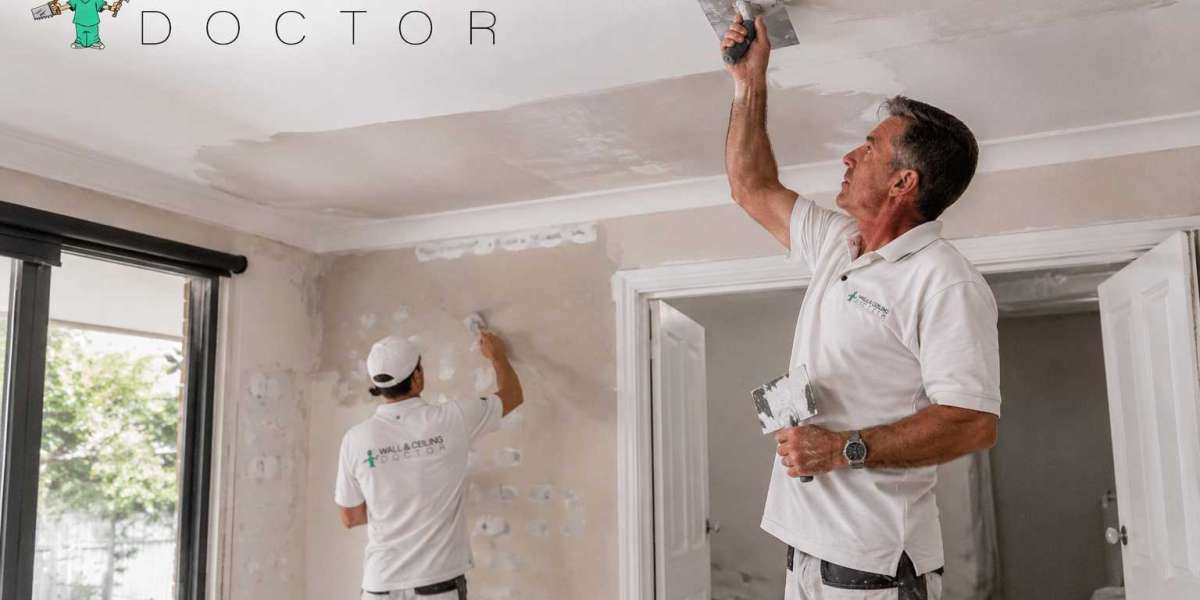

A ceiling does more than complete the appearance of a room. It helps protect your interior from the roof space, contributes to insulation and provides a clean, finished surface for lighting and ventilation. However, Perth homes and buildings can develop ceiling problems because of ageing materials, water leaks, storms, building movement, poor installation and general wear and tear. Ceiling Repair Services in Perth: Some issues are cosmetic, while others can become serious safety concerns if ignored.
If you notice cracks, stains, sagging, loose cornices or unusual sounds from your ceiling, it is worth investigating the cause rather than simply covering the visible damage. Western Australian authorities identify sagging or dropping plasterboard, visible cracking, cracking sounds and nail or screw pops among the warning signs of a stressed ceiling.
1. Sagging or Drooping Ceilings
A sagging ceiling is one of the most noticeable ceiling problems in Perth homes. You may see the plasterboard dipping in the centre of a room, separating from the cornice or appearing uneven across the ceiling.
Several factors can cause this problem, including water damage, failed fixings, ageing materials, excessive loads in the roof space and deterioration of older ceiling systems. In some older Perth properties, the adhesive holding plasterboard ceilings to timber framing can deteriorate over time.
A sagging ceiling should not be treated as a simple cosmetic issue. If the ceiling continues to drop, sections may eventually detach or collapse. Wall Ceiling Doctor provides sagging ceiling repairs, including re-securing and repairing damaged ceiling surfaces where appropriate.
2. Ceiling Cracks
Small cracks are another common issue, particularly in older Perth properties. Hairline cracks can develop because of normal building movement, settlement, ageing plasterboard or changes in temperature and moisture.
Not every crack indicates a structural problem. However, cracks that continue to widen, repeatedly return after repair, appear alongside sagging or occur near water stains deserve professional attention.
Wall Ceiling Doctor handles ceiling cracks and holes as part of its wall and ceiling repair services, helping restore a smooth surface ready for finishing and painting.
3. Water Stains and Moisture Damage
Brown, yellow or discoloured patches on a ceiling commonly indicate water entering from the roof space or another source. Perth storms, roof leaks, damaged flashing, overflowing gutters and plumbing problems can all contribute to moisture damage.
Water can weaken plasterboard and ceiling fixings. Even when a leak has stopped, previously soaked materials may remain damaged and require assessment or replacement. Western Australian guidance recommends repairing roof leaks and replacing moisture-damaged insulation or plasterboard promptly.
Wall Ceiling Doctor can repair damaged ceiling areas and restore affected surfaces once the underlying moisture problem has been addressed.
4. Loose or Cracked Cornices
Cornices create the finished transition between walls and ceilings, but they can crack, separate or become loose over time. Building movement, moisture, ageing adhesives and ceiling movement may all contribute to cornice damage.
A loose cornice can also be an indication that the ceiling itself is moving. Therefore, simply filling the crack may not solve the underlying problem.
Wall Ceiling Doctor provides cornice work and repairs, helping homeowners restore damaged decorative finishes while addressing related wall and ceiling issues.
5. Peeling Paint, Bubbling and Flaking Surfaces
Peeling or bubbling paint is often more than an appearance problem. Moisture trapped behind the paint can cause the surface to blister, peel or develop discolouration. Poor surface preparation and ageing paint can also contribute.
Before repainting, it is important to determine why the finish has failed. Painting over moisture-damaged plasterboard without resolving the source can result in the problem returning.
With Wall Ceiling Doctor, Perth property owners can access ceiling and wall repairs alongside interior painting services, allowing damaged surfaces to be repaired and finished as part of the same project.
6. Holes and Damaged Plasterboard
Ceiling holes can occur because of accidental impact, electrical or plumbing work, lighting installations, maintenance or previous repairs. Small holes may be patched, while larger areas may require sections of plasterboard to be replaced.
7. Ceiling Damage Around Eaves, Garages and Carports
Perth properties can also experience damage to ceilings and linings around garages, carports and eaves. Exposure to weather, moisture and ageing materials can cause cracking, deterioration and damaged panels.
Wall Ceiling Doctor also works on cement-fibre panels, carports, garages and eaves, providing a broader solution when ceiling-related damage extends beyond the main interior rooms. Its services cover residential wall and ceiling plaster work, suspended grid ceilings, cornice finishes and various plastered-surface repairs.
When Should You Call a Ceiling Repair Professional?
You should arrange an inspection if you notice a ceiling that is visibly sagging, rapidly developing cracks, showing water stains, making cracking sounds or separating around the cornice. These signs can indicate that the ceiling is under stress.
For Perth homeowners, Wall Ceiling Doctor offers a practical range of ceiling and wall solutions, from minor cracks and holes to sagging ceilings, plasterboard repairs, cornice work, ceiling replacement and painting. With decades of experience, Wall Ceiling Doctor can assess the visible damage and help determine the appropriate repair approach. The company also provides Wall Ceiling Doctor services across Perth and surrounding areas, including repairs for damaged ceilings, walls, garages, eaves and other interior finishing systems.
FAQs About Common Ceiling Problems in Perth
1. What is the most common ceiling problem in Perth?
Sagging, cracking and water-related damage are among the common ceiling issues found in Perth properties. Older ceiling systems may also experience deterioration of fixings or adhesives, while storms and roof leaks can accelerate damage.
2. Is a small ceiling crack serious?
A small hairline crack is often caused by normal movement, settlement or ageing. However, a crack that widens, repeatedly returns, appears with sagging or occurs alongside water damage should be professionally assessed.
3. Can a sagging ceiling be repaired without replacing the whole ceiling?
Sometimes, yes. The solution depends on the condition of the ceiling material, fixings and supporting structure. Where the ceiling remains suitable for repair, reinforcement or re-securing may be possible. Severely damaged or water-compromised sections may require replacement.
4. How can I prevent ceiling problems in my Perth property?
Regularly check for water stains, cracks, sagging, loose cornices and peeling paint. Keep roof leaks repaired, avoid storing heavy items in ceiling spaces and ensure exhaust fans and air-conditioning outlets discharge correctly outside the building. Early attention can help prevent minor ceiling defects from becoming larger and more expensive problems.





