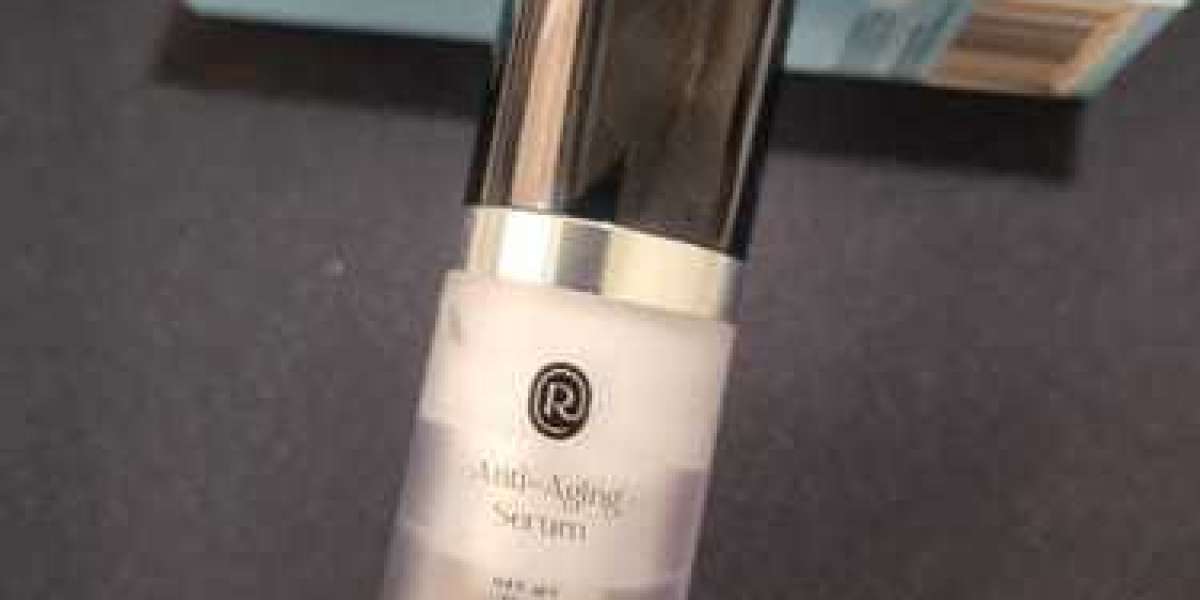

Choosing the right anti aging serum becomes increasingly important as skin changes with age. Fine lines, uneven texture, dryness, dullness, and loss of firmness may become more noticeable over time. A well-formulated anti aging serum can support smoother-looking, hydrated, and more radiant skin when used consistently. The key is understanding which ingredients suit mature skin, how they work, and how to build a simple routine that supports long-term skin health.
Why Skin Changes With Age
As we get older, the skin naturally produces less collagen and elastin. These proteins help maintain firmness, elasticity, and a smooth appearance. Cell turnover can also become slower, which may leave the complexion looking dull or uneven. At the same time, mature skin may lose moisture more easily. These changes can make fine lines and rough texture more visible, especially around the eyes, mouth, forehead, and cheeks.
Understanding Mature Skin Needs
Mature skin often benefits from ingredients that focus on hydration, firmness, texture, and antioxidant protection. Instead of choosing a product simply because it promises younger-looking skin, look for formulas designed to support the skin barrier. Hydrating ingredients can reduce the appearance of dryness, while antioxidants help protect skin from environmental stress. A balanced routine is usually more beneficial than using many strong products at the same time.
Look for Hydrating Ingredients
Hydration is one of the most important parts of mature skincare. Ingredients such as hyaluronic acid, glycerin, panthenol, and ceramides can help support moisture levels and improve the appearance of dry or tight skin. Well-hydrated skin often looks smoother because fine dehydration lines become less noticeable. Using a hydrating serum before moisturizer can create a comfortable base while helping the skin maintain a softer, healthier-looking appearance throughout the day.
The Role of Retinol
Retinol is a popular ingredient for people concerned about visible signs of aging. It belongs to the retinoid family and is commonly used to improve the appearance of fine lines, uneven texture, and skin tone. However, retinol can initially cause dryness or sensitivity, particularly when introduced too quickly. Starting with a lower concentration and applying it a few nights per week can help the skin gradually become accustomed to the ingredient.
Vitamin C for Brighter-Looking Skin
Vitamin C is another valuable ingredient for mature skincare routines. It is an antioxidant that can help defend the skin against environmental stressors while supporting a brighter and more even-looking complexion. Regular use may also help improve the appearance of dullness and uneven pigmentation. Vitamin C products are often applied in the morning, followed by moisturizer and broad-spectrum sunscreen to provide a simple routine focused on brightness and daily protection.
Peptides and Skin Firmness
Peptides are short chains of amino acids that are widely used in modern skincare formulas. They are particularly popular in products designed for mature skin because they can support the appearance of firmness and smoothness. Peptide-based formulas are generally easy to incorporate into a routine and can work alongside moisturizing ingredients. For people who want a gentle approach to improving the appearance of aging skin, peptides can be an appealing ingredient to consider.
Best Anti Aging Serum for 50s
Finding the best anti aging serum for 50s skincare needs depends on individual concerns rather than age alone. Someone experiencing dryness may benefit from hyaluronic acid and ceramides, while another person may prefer peptides, vitamin C, or retinol for texture and firmness concerns. Mature skin generally benefits from a formula that combines effective ingredients with barrier-supporting hydration. It is also important to introduce powerful actives gradually and avoid overwhelming sensitive skin.
How to Choose Based on Skin Type
Your skin type should guide your product selection. Dry skin may prefer creamy or highly hydrating formulas containing humectants and barrier-supporting ingredients. Oily skin may feel more comfortable with lightweight, water-based textures. Combination skin can benefit from balanced formulas that hydrate without feeling heavy. Sensitive skin should be approached carefully, especially when using retinol, exfoliating acids, or highly concentrated active ingredients. Patch testing can be useful before applying a new product regularly.
Fine Lines Around the Eyes
The eye area has delicate skin and may show signs of aging earlier than other areas of the face. Fine lines, dryness, and a tired appearance can become more noticeable over time. Products containing gentle hydrating ingredients may help the area appear smoother and more comfortable. When using active ingredients near the eyes, follow the product instructions carefully. Avoid applying strong formulas too close to the lash line unless they are specifically designed for the eye area.
Uneven Skin Tone and Dark Spots
Sun exposure and natural aging can contribute to uneven pigmentation and dark spots. Ingredients such as vitamin C, niacinamide, and certain exfoliating acids are commonly used to improve the appearance of uneven tone. However, results usually require patience and consistent use. Daily sunscreen is especially important because ultraviolet exposure can contribute to visible skin aging and pigmentation. A simple routine combining antioxidants, hydration, and sun protection can support a more even-looking complexion.
Why Sunscreen Matters
No mature skincare routine is complete without daily sun protection. Ultraviolet radiation can contribute to wrinkles, pigmentation, rough texture, and loss of firmness over time. A broad-spectrum sunscreen with an appropriate SPF can help protect the skin from ongoing environmental exposure. Apply sunscreen every morning as the final skincare step before makeup. Reapplication may also be necessary during prolonged outdoor activities, particularly after sweating, swimming, or extended sun exposure.
How to Build a Simple Routine
A practical morning routine can include a gentle cleanser, antioxidant serum, moisturizer, and sunscreen. At night, cleansing can be followed by a hydrating or treatment serum and moisturizer. If using retinol, introduce it slowly and avoid combining several potentially irritating active ingredients at once. Consistency is more important than having a complicated routine. Giving each product enough time to work can make skincare easier to manage and reduce unnecessary irritation.
Common Mistakes to Avoid
One common mistake is expecting immediate results from an aging skincare product. Visible improvements often take several weeks or longer, depending on the ingredient and skin concern. Another mistake is using too many active ingredients at once. Over-exfoliation or excessive use of strong treatments can weaken the skin barrier and cause dryness or irritation. It is also important to avoid skipping sunscreen while focusing on anti-aging ingredients because daily UV protection remains essential.
How Long Do Results Take?
Skincare results vary from person to person. Hydrating ingredients may provide a softer and more comfortable appearance relatively quickly, while improvements in texture, fine lines, and uneven tone can take longer. Consistent application is essential because skincare products work through repeated use rather than overnight changes. Keeping the routine simple also makes it easier to identify which products are helping and which may be causing sensitivity or discomfort.
Natural Aging and Healthy Skin
Aging is a natural process, and skincare should focus on supporting healthy-looking skin rather than promising to stop aging. Good habits can make a meaningful difference to the appearance and comfort of mature skin. Adequate hydration, balanced nutrition, sufficient sleep, regular movement, stress management, and sun protection can complement a thoughtful skincare routine. Combining healthy lifestyle choices with suitable topical products creates a more sustainable approach to maintaining a fresh and radiant complexion.
Final Thoughts
Choosing the right skincare formula requires attention to ingredients, skin type, lifestyle, and individual concerns. Mature skin can benefit from hydration, antioxidants, peptides, retinol, and consistent sun protection when these ingredients are introduced appropriately. Rae Beautiful Skin can be considered as part of a thoughtful skincare approach focused on maintaining a healthy-looking, smoother, and more radiant complexion. Remember that consistency, patience, and a gentle routine are key to achieving lasting skincare results.
FAQs
1. What ingredients are best for mature skin?
Hydrating ingredients such as hyaluronic acid and glycerin, along with peptides, vitamin C, niacinamide, and retinol, are commonly used for mature skin. The best choice depends on your individual concerns and skin sensitivity.
2. What is the best anti aging serum for 50s?
The best option depends on whether your main concern is dryness, fine lines, pigmentation, dullness, or loss of firmness. A formula combining hydration with suitable active ingredients can be a practical choice for many mature skin types.
3. Can I use retinol and vitamin C together?
They can both be included in a skincare routine, but using them at different times may be more comfortable for sensitive skin. Vitamin C is commonly used in the morning, while retinol is often used at night.
4. How often should I use a treatment serum?
Follow the product instructions and consider your skin's tolerance. Beginners may start a strong active product a few times per week before gradually increasing frequency if their skin responds comfortably.








