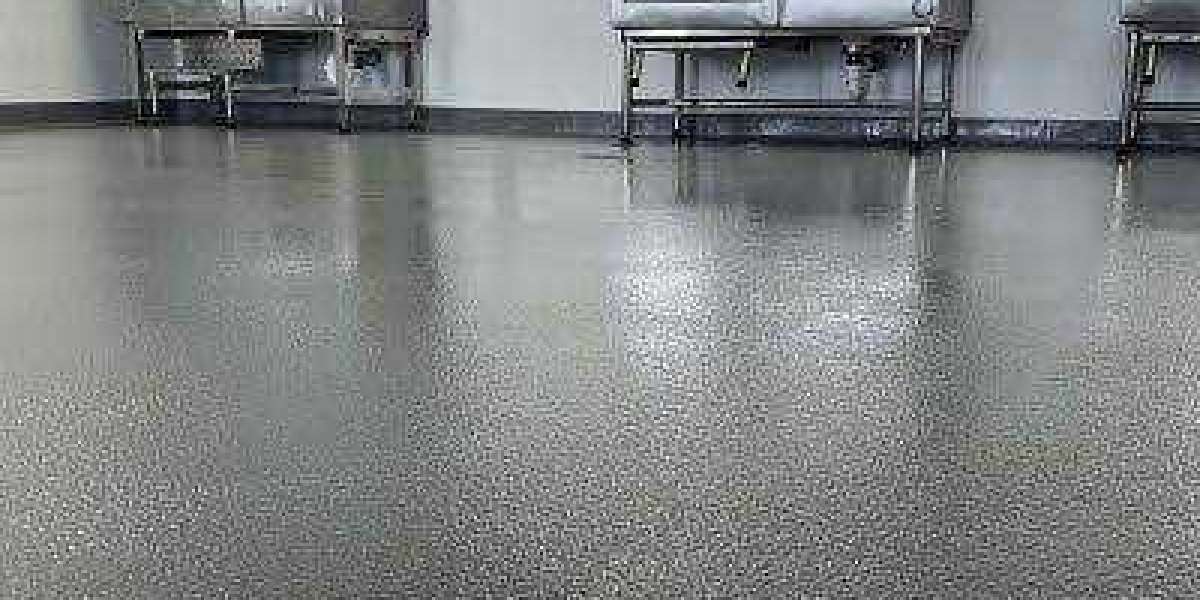

Residential epoxy flooring has become a popular choice for homeowners who want floors that combine durability, easy maintenance, and modern style. Once associated mainly with garages, epoxy coatings are now being used in basements, kitchens, utility rooms, patios, workshops, and other areas of the home.
Unlike ordinary concrete flooring, a professionally installed epoxy floor creates a seamless, hard-wearing surface that can withstand daily use while providing a clean and attractive appearance. Whether you are renovating one room or upgrading several areas of your home, residential epoxy flooring can offer a practical long-term solution.
What Is Residential Epoxy Flooring?
Residential epoxy flooring is a protective floor coating made by combining epoxy resin with a hardener. When the materials are mixed and applied correctly to a prepared concrete surface, they chemically bond and cure into a strong, durable finish.
Epoxy coatings can be customized in different colors, textures, patterns, and finishes. Homeowners can choose a simple solid-color floor or create a decorative appearance using metallic effects, decorative flakes, quartz aggregates, or other design options.
The result is a smooth, resilient surface that can transform an ordinary concrete floor into a finished part of the home's design.
Benefits of Residential Epoxy Flooring
1. Exceptional Durability
One of the biggest advantages of epoxy flooring is its strength. A properly installed epoxy coating can resist everyday wear, impacts, abrasions, and heavy foot traffic.
This makes it particularly useful in garages, workshops, mudrooms, and other high-use residential areas. Instead of dealing with an unfinished concrete floor that can gradually deteriorate, homeowners can create a protective surface designed for long-term performance.
2. Easy to Clean and Maintain
Epoxy flooring has a seamless surface with minimal joints where dirt and debris can collect. Regular sweeping and occasional mopping are generally enough to keep the floor looking clean.
Its smooth finish can also make spills easier to wipe up. This is especially useful in garages, utility areas, and workshops where oil, dirt, mud, and other substances may come into contact with the floor.
3. Moisture Resistance
Moisture can cause problems for traditional concrete surfaces, particularly in basements and other areas exposed to humidity or occasional water. A properly installed epoxy coating can provide a protective layer over the concrete.
However, proper surface preparation is essential. Existing moisture problems should be addressed before installation to help prevent coating failures such as bubbling, peeling, or delamination.
4. Attractive Design Options
Epoxy flooring does not have to look industrial. Modern residential epoxy systems are available in a wide range of colors and decorative finishes.
Homeowners can choose from:
Solid colors
Decorative vinyl flakes
Metallic effects
Quartz finishes
Glossy finishes
Textured surfaces
Custom color combinations
These choices make it possible to create a floor that complements the surrounding walls, cabinets, furniture, or architectural style.
5. Protects Concrete Floors
Concrete can crack, stain, dust, and deteriorate over time. An epoxy coating provides an additional protective layer that can help shield the underlying surface from everyday wear.
Before applying epoxy, however, cracks, damage, grease, coatings, and other contaminants should be properly addressed. Epoxy is only as reliable as the surface beneath it.
Where Can Residential Epoxy Flooring Be Used?
Although garages remain one of the most common applications, epoxy flooring can be used in many residential spaces.
Garage Floors
Garage epoxy flooring is popular because garages often experience vehicle traffic, dirt, moisture, chemicals, and dropped tools. Epoxy can provide a durable, attractive surface that is easier to maintain than unfinished concrete.
Basement Floors
Basements can benefit from epoxy because they may experience moisture, heavy storage use, and frequent foot traffic. A properly prepared and coated concrete floor can create a cleaner and more finished appearance.
Workshops
For homeowners who use a workshop for woodworking, automotive projects, crafts, or repairs, epoxy can provide a hard-wearing surface that is easier to clean after messy projects.
Laundry and Utility Rooms
Laundry and utility rooms can benefit from flooring that is easy to clean and resistant to everyday wear. Epoxy offers a seamless appearance while helping protect the concrete underneath.
Patios and Other Areas
Certain epoxy and concrete coating systems can also be used in suitable outdoor applications. The product should be selected specifically for the environmental conditions because not every epoxy system is designed for exterior exposure.
How Is Residential Epoxy Flooring Installed?
Professional installation generally begins with a detailed inspection of the existing concrete. The installer evaluates cracks, stains, moisture conditions, previous coatings, and overall surface quality.
The concrete is then prepared, often through mechanical grinding or other appropriate methods. This step is critical because epoxy needs a clean, properly profiled surface to achieve a strong bond.
Cracks and damaged areas are repaired before the coating system is applied. Depending on the project, installation may involve a primer, epoxy base coat, decorative materials, and a protective topcoat.
The floor must then be allowed to cure according to the manufacturer's requirements before normal use.
Why Professional Installation Matters
Epoxy flooring may look simple to install, but achieving a durable result requires careful preparation and application. Poor preparation is one of the most common reasons coatings fail prematurely.
Professional installers understand how to evaluate concrete, prepare surfaces, select suitable products, apply coatings at appropriate thicknesses, and account for temperature and moisture conditions.
A professional installation can also provide a more uniform finish with cleaner edges and fewer visible imperfections.
How Much Does Residential Epoxy Flooring Cost?
The cost of residential epoxy flooring varies depending on several factors. These include the size of the area, condition of the existing concrete, type of epoxy system, decorative finish, repairs required, labor, and number of coating layers.
A basic coating may cost less than a decorative multi-layer system. Extensive crack repair or difficult surface preparation can also increase the overall project cost.
Instead of choosing an installer based only on the lowest price, homeowners should compare the preparation process, materials, warranty, experience, and scope of work included in each estimate.
How to Maintain an Epoxy Floor
One reason homeowners choose epoxy flooring is its relatively simple maintenance routine. Sweep or dust-mop regularly to remove dirt and abrasive particles. Clean spills promptly and use a suitable mild cleaning solution when deeper cleaning is necessary.
Avoid harsh chemicals or cleaning methods that are not recommended by the coating manufacturer. Heavy furniture and equipment should also be moved carefully to reduce the risk of unnecessary damage.
With appropriate care, an epoxy floor can continue looking attractive and performing well for many years.
Choosing the Right Residential Epoxy Flooring System
Every home has different flooring requirements. A garage may need a highly durable system designed for vehicle traffic, while a basement may require special attention to moisture conditions. A decorative interior space may prioritize appearance and color customization.
Before choosing a system, consider:
Where the floor will be installed
Expected traffic and usage
Existing concrete condition
Moisture conditions
Desired color and finish
Maintenance requirements
Budget
Professional installation requirements
Discussing these factors with an experienced flooring professional can help you select a system suited to your specific space.
Final Thoughts
Residential epoxy flooring offers an appealing combination of durability, style, protection, and easy maintenance. From garages and basements to workshops and utility areas, it can turn ordinary concrete into a more functional and attractive surface.
The quality of the final result depends heavily on proper surface preparation, appropriate materials, correct application, and adequate curing. For homeowners considering an upgrade, investing in a professionally installed residential epoxy floor can be an excellent way to improve both the appearance and everyday performance of a concrete surface.








