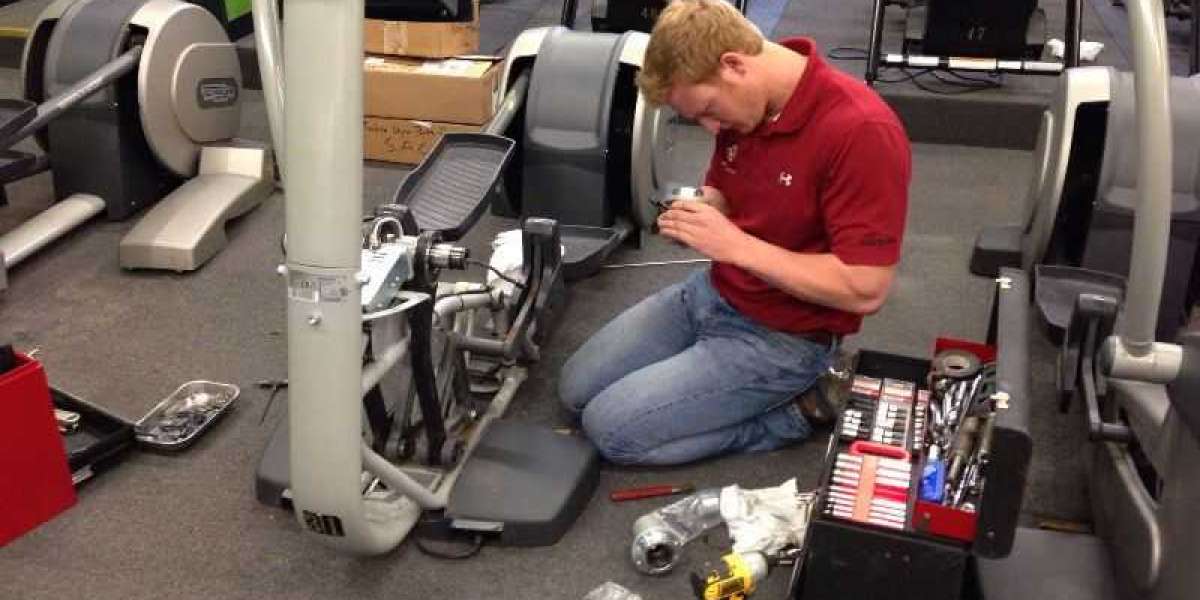

A cross trainer, also known as an elliptical trainer, is a popular piece of fitness equipment for home gyms, health clubs, and commercial fitness centers. It provides an effective low-impact workout while engaging the legs, arms, and core. However, like any mechanical and electronic machine, a cross trainer can develop problems over time. Cross trainer repair services provide professional solutions for mechanical faults, electrical issues, unusual noises, resistance problems, and worn components, helping users restore safe and smooth operation.
Why Professional Cross Trainer Repair Services Matter
Regular use puts considerable stress on a cross trainer's moving parts. Pedals, drive belts, bearings, rollers, handlebars, flywheels, resistance systems, and electronic components can gradually wear out. Attempting to repair complicated problems without the proper knowledge can make the issue worse or create safety concerns.
A professional repair technician can inspect the equipment, identify the underlying problem, and recommend the appropriate repair. Instead of replacing an entire machine because of one faulty component, professional servicing may restore the equipment at a much lower cost.
Professional cross trainer repair services are particularly valuable for commercial gyms where equipment downtime can affect members and business operations.
Common Cross Trainer Problems
Cross trainers can experience a wide range of problems. Recognizing common symptoms can help you determine when professional assistance is needed.
1. Unusual Noises
Squeaking, clicking, grinding, or knocking sounds are often signs that something needs attention. Loose bolts, worn bearings, damaged rollers, dry pivot points, or problems with the drive system can create unusual sounds.
A technician can inspect the moving components and determine whether lubrication, adjustment, tightening, or replacement is required.
2. Resistance Problems
Resistance is an important part of an effective elliptical workout. If the resistance level does not change, feels inconsistent, or suddenly becomes too difficult, there may be an issue with the resistance motor, magnetic system, wiring, control board, or internal mechanism.
Professional diagnosis is important because electronic resistance systems can contain several interconnected components.
3. Display or Console Failure
The console controls many important functions, including speed, time, distance, calories, resistance, and workout programs. If the display does not turn on, buttons stop responding, or error messages appear, the problem could involve the power supply, wiring, console, sensors, or circuit board.
A trained technician can test these components rather than replacing expensive parts unnecessarily.
4. Pedal and Roller Issues
Pedals should move smoothly and remain stable during exercise. Worn pedal assemblies or rollers can cause wobbling, stiffness, uneven movement, or irritating noises.
Because these components directly affect the user's movement, damaged parts should be inspected promptly. Replacing worn rollers, adjusting assemblies, and tightening connections can often restore smooth performance.
5. Belt and Drive System Problems
The drive belt transfers movement through the machine and plays an important role in its operation. A loose, worn, cracked, or damaged belt may cause slipping, inconsistent movement, or unusual sounds.
A repair professional can inspect belt condition and tension and determine whether adjustment or replacement is necessary.
What Is Included in Cross Trainer Repair?
A comprehensive repair service generally begins with a detailed inspection. The technician checks the machine's mechanical and electrical systems to identify the source of the problem.
Depending on the equipment and fault, cross trainer repair services may include:
Mechanical inspection and troubleshooting
Drive belt inspection and replacement
Roller and wheel replacement
Bearing inspection and replacement
Pedal and linkage repairs
Resistance system troubleshooting
Console and display diagnosis
Sensor and wiring inspection
Motor and electrical component testing
Lubrication and alignment
Tightening and adjustment of moving parts
Preventive maintenance
Safety inspection and performance testing
The exact service depends on the model, age, condition, and type of failure.
Benefits of Hiring a Professional Technician
Hiring a qualified technician offers several advantages. First, professional diagnosis can save time. Instead of guessing which component is defective, a technician can systematically test the machine.
Second, proper repairs can improve safety. A loose pedal, damaged roller, unstable handlebar, or electrical fault should not be ignored because these issues can affect the user's workout.
Third, professional maintenance can extend equipment life. Replacing a small worn component early may prevent additional damage to more expensive parts.
Finally, repairing an existing cross trainer can be more economical than purchasing a new machine, particularly when the frame and major components remain in good condition.
Cross Trainer Maintenance Tips
Although professional repairs are sometimes unavoidable, regular maintenance can help prevent many common problems. Keep the equipment clean and remove dust, sweat, and debris from the frame and moving areas. Check bolts and fasteners periodically to make sure they remain secure.
Follow the manufacturer's recommendations for lubrication and maintenance. Avoid applying unsuitable lubricants to electronic or mechanical components. Keep the cross trainer on a stable surface and avoid excessive moisture around electrical parts.
It is also useful to pay attention to changes in performance. A new squeak, unusual vibration, resistance problem, or display issue can be an early warning sign. Addressing problems early may reduce repair costs and prevent further damage.
Repair Services for Home and Commercial Equipment
Cross trainers are used in many environments, from residential fitness rooms to busy commercial gyms. Home users may need repairs after years of regular workouts, while commercial facilities can experience faster component wear because equipment is used throughout the day.
A professional repair provider should be able to work with different types and models of equipment and understand the differences between mechanical and electronically controlled systems. For businesses, reliable service can also help minimize downtime and keep more machines available for members.
Choosing the Right Cross Trainer Repair Service
When selecting a repair provider, consider experience, service quality, replacement-part availability, and technician expertise. A good technician should provide a clear explanation of the problem and discuss repair options before major work begins.
It is also worth asking whether the service covers both mechanical and electrical components. A provider capable of handling complete equipment diagnostics can often resolve problems more efficiently than a service specializing in only one type of repair.
Conclusion
A malfunctioning cross trainer does not necessarily mean it is time to replace the entire machine. Cross trainer repair services can diagnose common problems, replace worn components, correct mechanical faults, and restore electronic systems to proper operation. From noisy rollers and damaged belts to resistance failures and console problems, professional servicing can help extend the life of your fitness equipment.
Whether you operate a home gym or manage a commercial fitness facility, timely inspection and maintenance are essential for reliable performance. Choosing an experienced repair technician can keep your cross trainer running smoothly, safely, and efficiently while helping you get greater value from your fitness investment.








