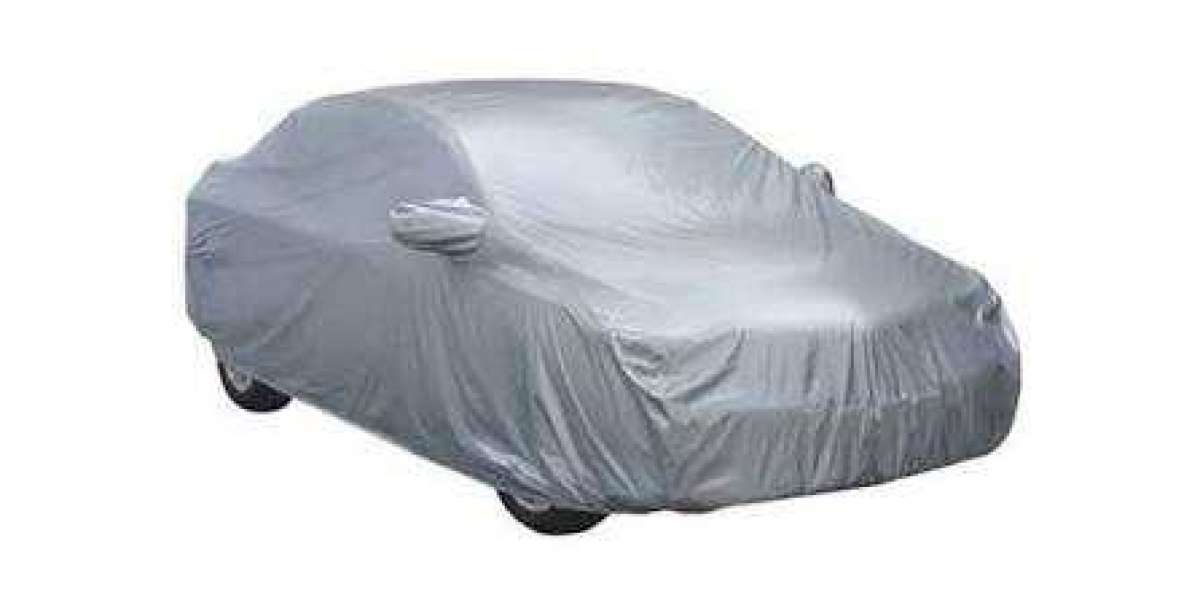

A car is a major investment, and protecting it from harsh weather, dust, dirt, sunlight, bird droppings, and everyday environmental damage is an important part of vehicle ownership. Car covers provide a simple and practical way to keep your vehicle protected when it is parked outdoors or stored for extended periods.
Whether you drive a family car, SUV, sports car, classic vehicle, or rarely used second car, the right cover can help preserve its exterior and keep it looking cleaner for longer.
What Are Car Covers?
Car covers are protective coverings designed to fit over a vehicle when it is parked. They are available in different materials, sizes, designs, and levels of protection to suit indoor and outdoor use.
A quality cover creates a protective barrier between your vehicle and external elements. Depending on the material, it can help reduce exposure to UV rays, rain, dust, leaves, bird droppings, tree sap, and other contaminants.
Car covers range from lightweight indoor options to heavy-duty outdoor covers designed for demanding weather conditions.
Why Use a Car Cover?
Leaving a vehicle uncovered for long periods can expose its paintwork and interior to unnecessary wear. A car cover offers several important benefits.
1. Protection From Sun Damage
Direct sunlight can gradually affect a vehicle's paint and interior. Continuous exposure to ultraviolet rays may contribute to fading, cracking, and deterioration.
A UV-resistant car cover helps reduce direct sunlight reaching the vehicle, making it especially useful for cars regularly parked outdoors.
2. Protection From Rain and Moisture
Rainwater can carry dirt and pollutants that settle on a vehicle's surface. Although modern automotive paint is designed to withstand normal weather, prolonged exposure can still make maintaining a clean exterior more difficult.
Water-resistant outdoor covers can provide an additional layer of protection against rain and moisture.
3. Keeps Dust and Dirt Away
Dust can quickly accumulate on parked vehicles. Instead of repeatedly washing your car, using a suitable cover can help keep dust, leaves, and other debris away from the paintwork.
This is particularly useful for vehicles stored in driveways, garages, workshops, or areas where dust is common.
4. Helps Protect the Paintwork
Bird droppings, tree sap, insects, and other contaminants can be difficult to remove and may damage a vehicle's finish if left on the surface for too long.
A car cover helps create a barrier against these contaminants and can make regular vehicle maintenance easier.
5. Helps Keep the Interior Cooler
A vehicle parked under direct sunlight can become extremely hot inside. By blocking some sunlight from reaching the vehicle, a reflective or UV-resistant cover can help reduce heat buildup.
This can be particularly useful during hot weather.
Types of Car Covers
Choosing the right type of cover depends on where and how you store your vehicle.
Indoor Car Covers
Indoor covers are generally lightweight and designed primarily to protect vehicles from dust, dirt, and minor scratches. They are ideal for cars stored in garages, showrooms, or enclosed storage facilities.
Many indoor covers use soft materials that are gentle on polished paintwork.
Outdoor Car Covers
Outdoor car covers are designed to withstand changing weather conditions. They typically use stronger, water-resistant, UV-resistant, and breathable materials.
If your vehicle is regularly parked outside, an outdoor-specific cover is usually a better choice than a lightweight indoor cover.
Waterproof Car Covers
Waterproof covers provide strong protection against rain. However, breathability is also important. A cover that traps moisture against the vehicle can potentially create problems over time.
For this reason, look for a cover that combines water resistance with adequate ventilation.
Custom-Fit Car Covers
Custom-fit covers are designed around the dimensions of a particular vehicle model. They generally provide a closer fit than universal covers and can offer better overall protection.
They are an excellent choice for owners who want a tailored appearance and secure coverage.
Universal Car Covers
Universal covers are produced in standard sizes and can fit a range of vehicle types. They are often more affordable and convenient, particularly when exact vehicle dimensions are not available.
However, the fit may not be as precise as a custom cover.
How to Choose the Right Car Cover
The best car cover depends on your vehicle, parking location, climate, and storage habits.
Consider the Material
Look for a material appropriate for your environment. Lightweight breathable fabrics can work well indoors, while durable multi-layer materials may be more suitable outdoors.
Check the Size
A cover should be large enough to protect the vehicle without being excessively loose. A very loose cover can flap in the wind, while an overly tight cover may be difficult to install.
Always check the manufacturer's sizing guide before purchasing.
Look for UV Protection
If your vehicle spends significant time outdoors, UV resistance should be a priority. A cover designed to block ultraviolet exposure can help protect the exterior and interior from prolonged sunlight.
Choose Breathability
Breathable materials allow trapped moisture and condensation to escape. This is an important feature for outdoor vehicle storage.
Consider Wind Protection
If you live in a windy area, choose a cover with straps, buckles, elastic edges, or other secure fastening features. A properly secured cover is less likely to move or blow away.
How to Use a Car Cover Correctly
Using a cover correctly is just as important as choosing the right one.
Before covering your vehicle, make sure the exterior is reasonably clean. Dirt trapped between the cover and paint can potentially cause fine scratches when the cover moves.
The cover should be completely dry before storage. Follow the manufacturer's cleaning instructions and inspect it periodically for accumulated dirt or damage.
Make sure mirrors, antennas, and other vehicle components are accommodated correctly. Finally, secure the cover properly, particularly when the vehicle is parked outdoors.
Car Cover Maintenance
A car cover also needs regular care. Dust, dirt, and moisture can accumulate on the material over time.
Clean the cover according to the manufacturer's instructions and allow it to dry completely before putting it back on the vehicle. Avoid storing a damp cover, as trapped moisture can lead to unpleasant odors and material deterioration.
Inspect straps, seams, elastic edges, and fastening points regularly. Replacing a damaged cover can help maintain effective vehicle protection.
Common Mistakes to Avoid
One of the biggest mistakes is putting a cover over a dirty vehicle. Small particles underneath the cover can rub against the paint when the material moves.
Another mistake is choosing an indoor cover for harsh outdoor conditions. Indoor covers are not necessarily designed to withstand rain, strong sunlight, or wind.
It is also important not to ignore fit. A cover that is too loose can move excessively, while one that is too small may leave parts of the vehicle exposed.
Are Car Covers Worth It?
For many vehicle owners, car covers are a cost-effective way to reduce exposure to environmental elements. They are particularly valuable for vehicles that are parked outdoors, stored seasonally, or driven infrequently.
A good cover does not eliminate the need for washing, waxing, servicing, or other vehicle maintenance. Instead, it adds another layer of protection that can make keeping the vehicle in good condition easier.
Final Thoughts
Car covers are a simple investment that can help protect a vehicle from sunlight, dust, rain, debris, bird droppings, and other environmental hazards. The key is selecting a cover that matches your vehicle and storage conditions.
For outdoor parking, prioritize durability, UV resistance, water resistance, breathability, and secure fastening. For indoor storage, a soft and lightweight dust-resistant cover may be all you need.
With the right fit and proper care, a quality car cover can help keep your vehicle cleaner, better protected, and looking its best for years to come.