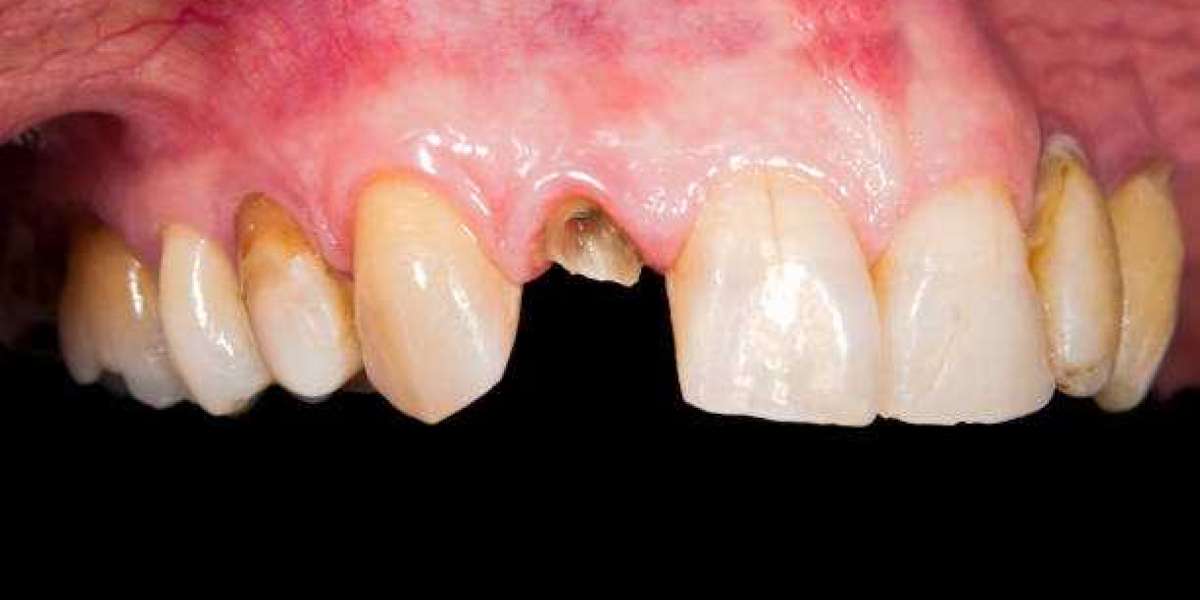

A fractured tooth is a common dental concern that can range from a tiny crack in the enamel to a severe break involving the root. Regardless of the size of the fracture, early professional care is essential because untreated damage can worsen with everyday chewing and biting. Modern dentistry offers effective solutions that restore both the strength and appearance of damaged teeth. Choosing Tooth fracture treatment in Pakistan allows patients to receive personalized care that focuses on preserving natural teeth whenever possible.
How Tooth Fractures Progress
A crack rarely stays the same size. Repeated pressure from eating, clenching, or grinding gradually increases the size of the fracture. As the crack becomes deeper, bacteria can reach the inner layers of the tooth, leading to infection and inflammation.
Early treatment helps stop this progression before permanent damage occurs.
Common Causes of Tooth Fractures
Several everyday situations can increase the likelihood of damaging a tooth.
These include:
- Biting hard nuts or ice
- Contact sports without mouth protection
- Vehicle accidents
- Falls
- Teeth grinding during sleep
- Untreated cavities
- Old dental fillings
- Excessive biting pressure
Reducing these risk factors can significantly improve long-term dental health.
Symptoms That Suggest a Fractured Tooth
Many fractures cause intermittent symptoms rather than constant pain.
Patients may experience:
- Sharp pain while chewing
- Sensitivity to hot beverages
- Sensitivity to cold foods
- Visible chips or cracks
- Swelling around one tooth
- Pain when releasing a bite
- Difficulty chewing certain foods
Even mild symptoms should be evaluated before the fracture worsens.
Types of Tooth Fractures
Dentists classify fractures according to the extent of damage.
Enamel Fractures
These involve only the outer protective layer and are usually the easiest to repair.
Crown Fractures
Damage extends into the visible part of the tooth and may require restorative treatment.
Cracked Tooth
The fracture extends deeper but the tooth remains in one piece.
Split Tooth
An untreated crack eventually separates the tooth into multiple sections.
Root Fracture
These fractures develop below the gum line and often require advanced diagnostic imaging.
Modern Diagnostic Methods
Dentists use several technologies to detect fractures accurately.
These include:
- Clinical examination
- Digital radiographs
- Bite analysis
- Magnification systems
- Fiber-optic illumination
- Cone Beam CT imaging
These tools help determine the exact position and severity of the fracture.
Treatment Procedures
Treatment depends on the depth and location of the fracture.
Composite Bonding
Small chips and minor cracks can often be repaired using tooth-colored resin.
Dental Crowns
Crowns restore strength by covering weakened teeth and preventing further damage.
Root Canal Therapy
If the pulp becomes infected, root canal treatment preserves the tooth while eliminating infection.
Porcelain Veneers
Minor cosmetic fractures affecting front teeth can often be corrected using veneers.
Tooth Extraction
Extraction becomes necessary only when the tooth cannot be restored successfully.
Advantages of Early Treatment
Seeking treatment promptly offers numerous benefits.
These include:
- Preserving natural teeth
- Preventing infection
- Maintaining normal chewing function
- Reducing discomfort
- Improving smile appearance
- Avoiding complex future procedures
Early intervention generally produces better long-term outcomes.
Recovery and Aftercare
Following treatment, patients should follow professional advice to maintain their restorations.
Recommended care includes:
- Eating soft foods during recovery
- Avoiding chewing hard objects
- Brushing gently twice daily
- Flossing carefully
- Using prescribed medications if needed
- Returning for scheduled checkups
Proper aftercare contributes to successful healing and long-lasting results.
Preventing Future Fractures
Simple preventive measures can protect your teeth from future injuries.
Dentists recommend:
- Wearing mouthguards during sports
- Avoiding chewing hard substances
- Treating cavities promptly
- Replacing damaged fillings
- Managing teeth grinding
- Maintaining a balanced diet
- Visiting the dentist regularly
Good preventive care supports strong and healthy teeth throughout life.
Why Professional Treatment Is Important
Professional dental care provides patients with accurate diagnosis and customized treatment.
An experienced dental clinic offers:
- Advanced diagnostic equipment
- Skilled restorative dentists
- Personalized treatment planning
- High-quality restorative materials
- Modern dental technology
- Long-term patient support
Receiving treatment from experienced professionals improves both comfort and treatment success.
Final Thoughts
A fractured tooth is a condition that should never be overlooked because small cracks can develop into serious dental problems over time. Modern restorative dentistry provides reliable solutions that restore strength, appearance, and function while preserving natural teeth whenever possible. Early diagnosis and timely treatment remain the best approach to protecting your oral health. For advanced restorative dentistry and personalized patient care, choose , and explore complete healthcare services through Dental Clinic Pakistan.