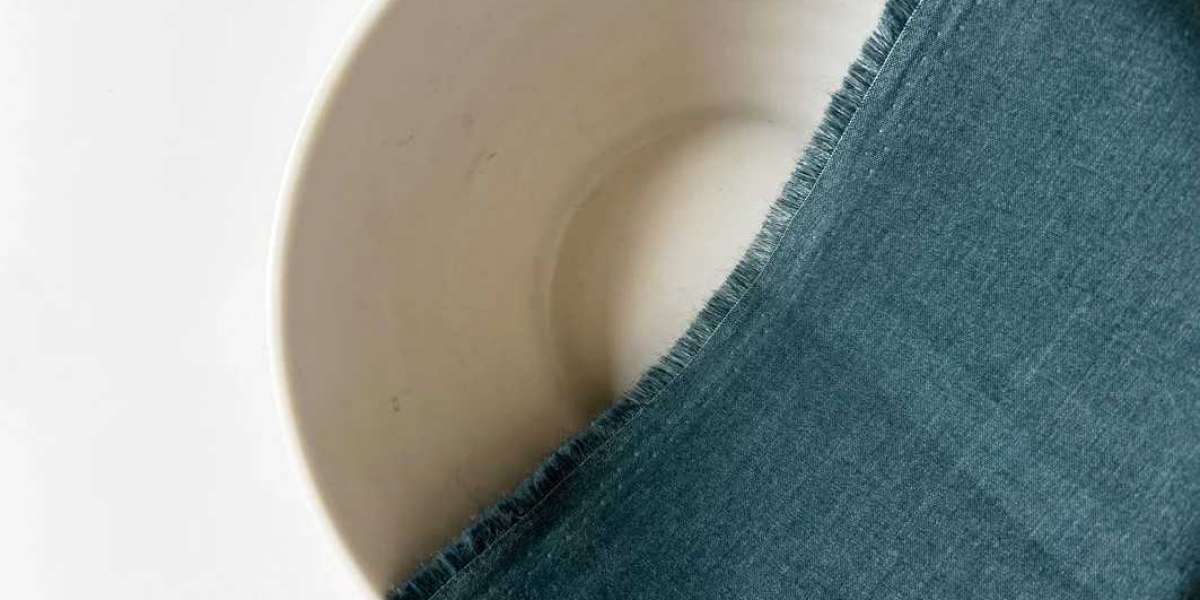

Choosing the right linen fabric depends on your project type, the required weight, weave, and finish. Lightweight linen suits summer apparel; medium-weight works for everyday clothing and bedding; heavy-weight is best for upholstery and bags. Always request samples before you buy linen fabric, especially when purchasing online.
Linen has been around for thousands of years—and for good reason. Made from the fibers of the flax plant (Linum usitatissimum), linen is naturally breathable, strong, and moisture-absorbent. It's one of the few fabrics that gets softer with every wash without losing its structure.
But here's the challenge: not all linen is the same. The wrong weight, weave, or finish can turn a well-planned project into a frustrating experience. A sheer, drapey linen that works beautifully for a summer blouse will look completely wrong on an upholstered chair. Getting this selection right saves time, money, and wasted fabric.
This guide breaks down exactly what to look for when selecting linen—by project type, weight, weave, and finish—so you can make a confident choice every time.
Understanding Linen Fabric: What Makes It Different?
Linen starts as flax plant stalks. The fibers are extracted, spun into yarn, and woven into fabric. The result is a material with some distinct properties that set it apart from cotton or synthetic alternatives:
- Breathability: Linen's loose fiber structure allows air to circulate freely, making it ideal for warm-weather wear.
- Strength: Linen fibers are stronger than cotton, which makes them well-suited for items that need to withstand regular use.
- Absorbency: Linen absorbs moisture quickly and dries fast, which is why it's a preferred choice for both apparel and home textiles.
- Natural texture: Linen has a slightly coarse texture when new, but softens significantly after washing and use.
These characteristics don't change based on the type of linen—but how the fabric is woven and finished will significantly affect how it performs in your specific project.
How to Match Linen to Your Project Type
What type of linen works best for apparel and clothing?
For garments, you need linen that moves with the body. Key factors here are softness, drape, and weight.
Lightweight and medium-weight linens are the standard choices for apparel. Stonewashed or washed linen—where the fabric has been mechanically softened—is particularly well-suited for everyday clothing because it skips the stiff break-in period. It feels comfortable from the first wear.
- Blouses and scarves: Lightweight linen (under 150 GSM) with a loose weave drapes beautifully.
- Shirts and summer dresses: Medium-weight linen (150–200 GSM) provides enough structure while still feeling airy.
- Trousers and tailored pieces: Medium-weight with a plain weave holds its shape better and creates a cleaner silhouette.
What type of linen is best for home decor and upholstery?
Home decor demands durability above all else. Curtains, cushion covers, and upholstery face daily wear and repeated washing.
Choose heavier-weight linen (200 GSM and above) with a tighter weave for anything that needs to hold structure over time. Twill-weave linen is particularly good for upholstery—its diagonal weave pattern makes it more resistant to tearing and surface wear compared to a plain weave.
- Curtains: Medium-weight plain-weave linen gives a clean, natural look; heavier linen improves opacity.
- Bedding: Medium-weight washed linen is the gold standard for sheets and pillowcases—soft, breathable, and durable.
- Bags and upholstery: Heavy-weight linen (220+ GSM) with a twill or canvas weave handles the most wear.
What linen works best for crafts, embroidery, and specialty projects?
Embroidery and historical costuming require a specific weave structure. Look for evenweave linen—a plain weave with the same number of threads per inch horizontally and vertically. This regularity makes it far easier to create consistent stitch patterns.
Thread count matters here more than in other project types. Higher thread counts give you a finer surface for detailed work. Lower thread counts give you an open, visible weave structure that traditional craft applications often require.
A Practical Guide to Linen Weight and Weave
How does linen weight affect its use?
Weight is measured in GSM (grams per square meter) and is one of the most reliable indicators of how a linen fabric will perform:
Weight Category | GSM Range | Best For |
Lightweight | Under 150 GSM | Scarves, blouses, summer dresses |
Medium-weight | 150–200 GSM | Shirts, trousers, bed sheets, curtains |
Heavy-weight | 200+ GSM | Jackets, upholstery, bags, canvas |
How do different linen weaves affect the feel and function?
- Plain weave: The most common type. Produces a crisp, structured fabric that holds its shape well.
- Loose weave: More open structure, which increases breathability and creates a relaxed, soft drape.
- Twill weave: Diagonal rib pattern. Stronger and more durable than plain weave, with a smoother surface.
- Stonewashed/washed linen: Not technically a different weave, but a finishing treatment. The result is softer, more relaxed fabric that reduces wrinkling and eliminates the initial stiffness common in raw linen.
Natural vs. Dyed, Printed vs. Woven Patterns
Natural linen retains its earthy, off-white tones. It's the best option when you want to dye or print the fabric yourself, or when you prefer an organic, undyed aesthetic.
Dyed linen comes in a full spectrum of colors. Piece-dyed linen (dyed after weaving) provides even, consistent color. Yarn-dyed linen (dyed before weaving) tends to have more depth and richness.
Printed linen features surface patterns applied after weaving. Woven patterns are built into the fabric structure during production—these are generally more durable because the pattern won't fade or crack the way printed designs can.
Where to Buy Linen Fabric: Local Stores vs. Online Retailers
What are the benefits of buying linen fabric from a local store?
Local fabric stores let you handle the fabric before purchasing. You can check the weight, feel the texture, and assess how the fabric drapes—all of which matter a great deal when selecting linen. If you're new to working with linen, visiting a physical store first is a practical way to build your understanding of how different weights and weaves feel in your hands.
What are the advantages of buying linen fabric online?
When you buy fabric online, you gain access to a much wider selection than most local stores carry. Online retailers also offer competitive pricing and the convenience of home delivery.
The key to buying linen fabric online successfully is to request samples before committing to a bulk purchase. Most reputable online suppliers offer fabric samples at low or no cost.
Fabriclore Pvt Ltd stands out as both a reliable local and online fabric supplier. With over 5,000 base fabrics available for physical vetting at their Experience Studio, and a fully digital ordering system for online customers, Fabriclore bridges the gap between tactile selection and online convenience. They serve fashion brands and individual buyers with customized fabric options, including linen, at competitive pricing and low minimum order quantities (MOQ). For anyone looking to buy linen fabric in bulk or for custom projects, Fabriclore is worth evaluating as a first option.
Practical Tips Before You Buy Linen Fabric
- Always order samples first. Color, weight, and texture can look very different on a screen versus in person. Request a swatch before placing a large order.
- Pre-wash before cutting. Linen typically shrinks 3–5% after the first wash. Pre-washing ensures your final measurements are accurate.
- Read customer reviews. For online purchases, previous buyers often note whether the fabric runs true to weight, how it washes, and whether the color matches the product listing.
- Check the GSM. If a retailer doesn't list the GSM, ask before purchasing. Vague descriptions like "medium-weight" vary between suppliers.
How to Care for Linen Fabric
Linen is low-maintenance compared to many other natural fibers, but a few guidelines will extend its lifespan:
- Washing: Machine wash on a gentle cycle with cold or lukewarm water. Hot water accelerates shrinkage.
- Drying: Air drying is ideal. If you use a dryer, remove the linen while slightly damp to reduce wrinkling.
- Ironing: Iron on a medium-to-high heat setting while the fabric is still slightly damp. This removes creases easily without damaging the fiber.
- Storage: Store linen in a cool, dry place. Avoid long-term plastic storage, as linen needs air circulation to prevent mildew.
Make Your Next Linen Purchase Count
Selecting the right linen comes down to three things: your project's functional requirements, the weight and weave that match those requirements, and sourcing from a supplier you can trust.
Lightweight and washed linen suit apparel. Medium-weight suits everyday clothing, bedding, and curtains. Heavy-weight linen handles structural projects like upholstery and bags. Get the weight right, understand the weave, and always verify with a sample before you commit.
If you're ready to buy linen fabric for your next project, Fabriclore Pvt Ltd offers both an in-person Experience Studio and an online platform where you can buy fabric online with full customization options and transparent quality standards.
Frequently Asked Questions
What is the best linen weight for a summer dress?
Lightweight linen under 150 GSM is ideal for summer dresses. It's breathable, drapes well, and feels comfortable in warm weather. Stonewashed or washed linen in this weight range is a practical choice because it's softer right from the start.
How much does linen fabric shrink after washing?
Linen typically shrinks between 3% and 5% after its first wash. Pre-washing the fabric before cutting and sewing prevents your finished piece from shrinking and changing shape after completion.
What is the difference between plain weave and twill weave linen?
Plain weave linen has a simple over-under thread structure that produces a crisp, structured feel. Twill weave has a diagonal pattern that makes it stronger and more resistant to surface wear, which is why it's preferred for upholstery and heavy-use items.
Is it safe to buy linen fabric online without seeing it first?
Yes, provided you request fabric samples before placing a bulk order. Reputable suppliers like Fabriclore Pvt Ltd offer swatch kits and physical vetting options. Always check the GSM, read customer reviews, and confirm the return or exchange policy before ordering.
What is stonewashed linen and when should I use it?
Stonewashed linen has been mechanically treated to break down its natural stiffness, resulting in a softer, more relaxed fabric. It's the best choice for apparel and bedding where immediate comfort is a priority, as it skips the several-wash break-in period that untreated linen requires.
What type of linen is best for embroidery?
Evenweave linen with a consistent thread count is the standard for embroidery. The uniform weave structure allows for precise, regular stitch placement. A higher thread count suits fine detail work; a lower thread count suits traditional or cross-stitch embroidery.






