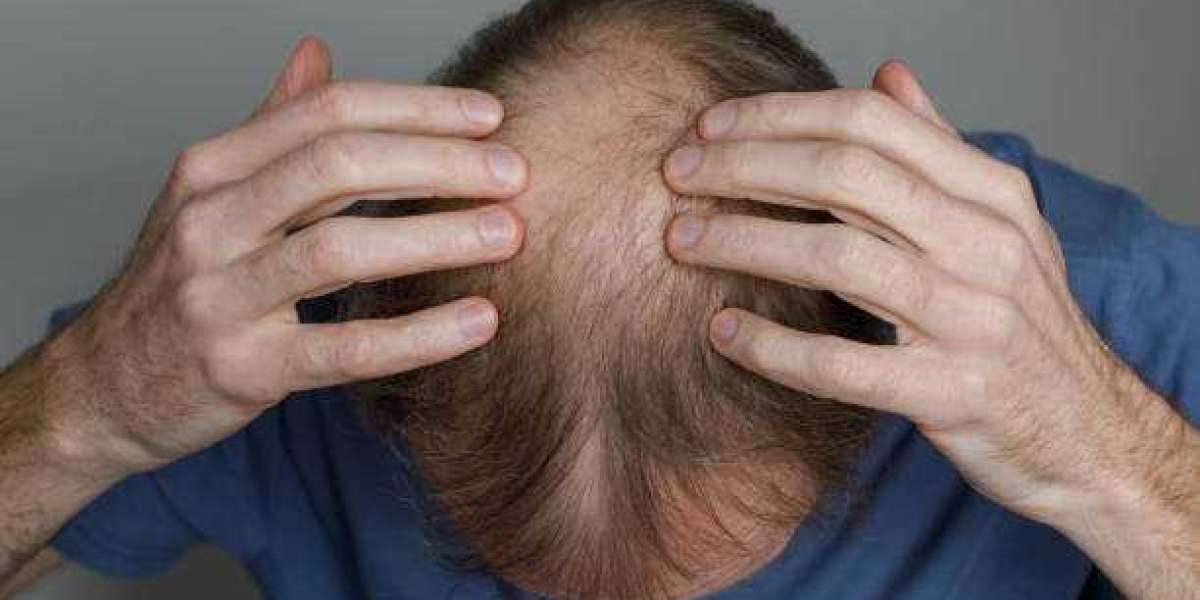

Genetic hair loss, also known as androgenetic alopecia, is one of the most common causes of progressive hair thinning in both men and women. It usually follows a predictable pattern and develops gradually over time. While it cannot be completely “cured,” modern medicine offers several effective ways to slow its progression, strengthen existing hair, and improve overall density.
Today’s advanced Hair Loss Treatment options focus on managing the genetic sensitivity of hair follicles, improving scalp health, and stimulating growth in areas where follicles are still active. Early intervention plays a major role in achieving better long-term results.
Understanding Genetic Hair Loss
Genetic hair loss is inherited and linked to sensitivity of hair follicles to a hormone called DHT (dihydrotestosterone). Over time, this hormone causes follicles to shrink, leading to thinner and weaker hair.
How It Develops
- Hair follicles become gradually smaller
- Hair strands become thinner and weaker
- Growth cycle shortens over time
- Eventually, follicles stop producing visible hair
This process is slow but progressive.
Early Signs of Genetic Hair Loss
Recognizing early signs can help slow down progression effectively.
What to Look For
- Receding hairline in men
- Widening part line in women
- Gradual reduction in hair volume
- Increased hair shedding over time
- Thinner and finer hair texture
Early detection improves treatment success.
Why Genetics Play a Major Role
Genetics determine how sensitive your hair follicles are to hormonal changes, especially DHT.
Genetic Influence Includes
- Age of onset
- Pattern of hair loss
- Speed of progression
- Severity of thinning
Family history often increases the likelihood of experiencing it.
How Hair Loss Treatment Helps Genetic Hair Loss
While genetics cannot be changed, modern treatments can significantly control its effects and improve hair density.
Treatment Goals
- Slow down follicle miniaturization
- Strengthen existing hair strands
- Stimulate dormant follicles
- Improve scalp circulation
- Maintain long-term hair density
A combination approach is usually most effective.
PRP Therapy for Genetic Hair Loss
Platelet-Rich Plasma (PRP) therapy is widely used to stimulate weakened follicles.
How PRP Works
- Uses natural growth factors from blood
- Reactivates inactive follicles
- Improves hair thickness and strength
- Reduces ongoing hair shedding
It is most effective in early to moderate stages.
Mesotherapy for Follicle Support
Mesotherapy delivers essential nutrients directly into the scalp to nourish weakened roots.
Benefits
- Strengthens hair follicles
- Improves scalp blood circulation
- Supports healthier growth
- Reduces thinning progression
It works well alongside other therapies.
Low-Level Laser Therapy (LLLT)
LLLT is a non-invasive method that stimulates cellular activity in hair follicles.
How It Helps
- Enhances oxygen and nutrient delivery
- Improves follicle energy production
- Strengthens thinning hair
- Supports long-term maintenance
It is painless and suitable for regular use.
Medications and Topical Solutions
Medical and topical treatments are commonly used in managing genetic hair loss.
What They Do
- Reduce DHT impact on follicles
- Slow down hair loss progression
- Improve follicle size and activity
- Support regrowth in early stages
Consistency is key for visible results.
Importance of Early Treatment
Genetic hair loss becomes harder to reverse once follicles are fully inactive.
Why Early Action Matters
- Better response from follicles
- Slower progression of baldness
- Higher chance of regrowth
- Preservation of natural hair density
Starting early makes a significant difference.
Can Genetic Hair Loss Be Reversed?
Genetic hair loss cannot be fully reversed, but it can be effectively managed and controlled.
Realistic Expectations
- Hair fall can be significantly reduced
- Thinning can be slowed or stabilized
- Existing hair can be strengthened
- Some regrowth may occur in active follicles
The goal is long-term control and improvement.
Lifestyle Support for Better Results
Healthy habits improve treatment effectiveness.
Helpful Practices
- Eat a nutrient-rich balanced diet
- Manage stress effectively
- Avoid harsh chemical treatments
- Maintain proper scalp hygiene
- Ensure good sleep and hydration
These support overall hair health.
Combining Treatments for Best Results
A multi-therapy approach often gives the strongest outcome.
Effective Combinations
- PRP with mesotherapy
- Laser therapy with topical treatments
- Medical treatment with lifestyle changes
- Nutritional support with clinical care
Customized plans improve success rates.
Book Your Appointment at Royal Clinic Saudia
If you are experiencing genetic hair loss or early signs of thinning, timely action can help preserve your hair and improve density. Royal Clinic Saudia offers advanced, personalized Hair Loss Treatment solutions designed to slow genetic progression, strengthen follicles, and support natural-looking results. Book your consultation today to begin a structured plan for long-term hair health.
FAQs:
Can genetic hair loss be stopped completely?
It cannot be fully stopped, but its progression can be significantly slowed with proper treatment.
What is the best treatment for genetic hair loss?
PRP therapy, mesotherapy, laser therapy, and medical treatments are commonly used together for best results.
At what age does genetic hair loss start?
It can start anytime after puberty, but it often becomes noticeable in the 20s or 30s.
Can hair grow back in genetic hair loss?
Some regrowth is possible in early stages where follicles are still active, but results vary by individual.