
Calling performance depends on timing, clarity and preparation. Sales and support teams handle many calls each day. When the process lacks structure agents feel rushed and conversations lose quality. This affects both results and customer experience.
Many teams try to increase performance by making more calls. This approach often creates pressure without improving outcomes. Agents move quickly from one call to another without enough context. Conversations become repetitive and less effective.
A better approach focuses on balance. Teams need a system that maintains call flow while giving agents time to think. This is where tools like a progressive dialer help improve overall calling performance. When used correctly it creates a steady and controlled calling process that supports both efficiency and quality.
Understanding How Progressive Dialing Improves Call Flow
Call flow plays a key role in performance. If calls connect too fast agents may feel unprepared. If calls are too slow, productivity drops. A balanced system helps maintain the right pace.
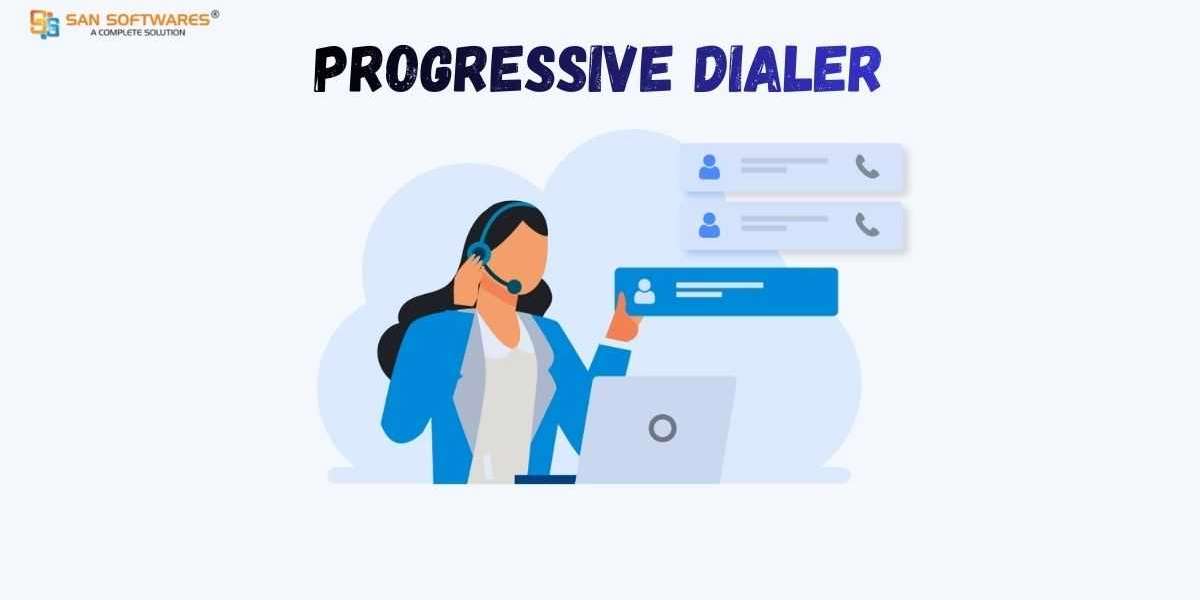
A progressive dialer connects calls one after another in a controlled sequence. It dials the next number only when the agent becomes available. This prevents overload and keeps the process smooth.
Agents do not face sudden call connections. They receive a short moment between calls to review information and prepare for the next conversation. This small gap improves focus and reduces stress.
Maintaining a Consistent Rhythm
Consistency helps agents perform better throughout the day. A steady call flow avoids long idle periods and also prevents sudden pressure.
With a progressive dialer agents follow a clear rhythm. Each call begins when they are ready. This creates a stable working pattern that supports better communication and improved results.
Role of Preparation in Calling Performance
Preparation directly affects how a conversation begins. When agents understand customer details they speak with clarity. Without preparation they rely on general questions that may not fit the situation.
A preview dialer supports preparation by showing customer information before each call. Agents can review past notes and understand previous interactions. This helps them plan their approach.
Using Context to Improve Conversations
Context helps agents guide the discussion effectively. If they know what the customer asked earlier they can continue from that point. This avoids repetition and saves time.
Prepared conversations feel natural and structured. Customers respond better when they feel understood. This improves engagement and increases the chance of a positive outcome.
Balancing Speed and Quality
High speed calling often reduces conversation quality. On the other hand, slow calling affects productivity. The right balance is necessary for strong performance.
A progressive dialer maintains this balance by controlling the dialing process. It ensures agents are neither idle nor overwhelmed. Each call connects at the right moment.
A preview dialer adds another layer by improving preparation. Together these tools create a system where agents work efficiently without losing focus on quality.
Reducing Call Fatigue
Continuous rapid calls can lead to fatigue. When agents feel tired their tone and attention drop. This affects the overall customer experience.
Controlled dialing reduces this pressure. Agents get short breaks between calls to reset their focus. This keeps energy levels stable throughout the day.
Improving Team Performance Over Time
Consistent processes lead to long term improvement. When agents follow a structured calling system they develop better habits. They learn to manage time and handle conversations effectively.
Managers can also observe how calls are handled. By reviewing performance data they identify areas where agents need support. Training becomes more targeted and useful.
Building Confidence Among Agents
Confidence grows when agents feel prepared and in control. A balanced calling system reduces uncertainty and improves communication skills.
When agents use tools like a progressive dialer they know what to expect during their shift. Predictable workflows help them stay focused and perform better.
Preparation supported by a preview dialer also strengthens confidence. Agents begin each call with a clear understanding of the situation.
Supporting Scalable Call Operations
As teams grow the number of calls increases. Without a structured system managing this volume becomes difficult. Disorganized calling leads to missed opportunities and inconsistent service.
A controlled dialing process supports growth without chaos. Systems built around a progressive dialer allow teams to handle more calls while maintaining order.
Preparation tools such as a preview dialer ensure that even with higher volume each conversation remains meaningful. This combination supports both expansion and quality.
Conclusion
Strong calling performance depends on more than just speed. It requires balance, preparation and consistency. When teams rely on structured processes they improve both efficiency and communication quality.
A progressive dialer helps maintain a steady call flow without overwhelming agents. At the same time a preview dialer ensures that each call begins with proper context and preparation.
Together these tools create a system where agents work with clarity and control. Conversations become more focused and results improve over time. When calling performance improves businesses build better connections and achieve stronger outcomes.