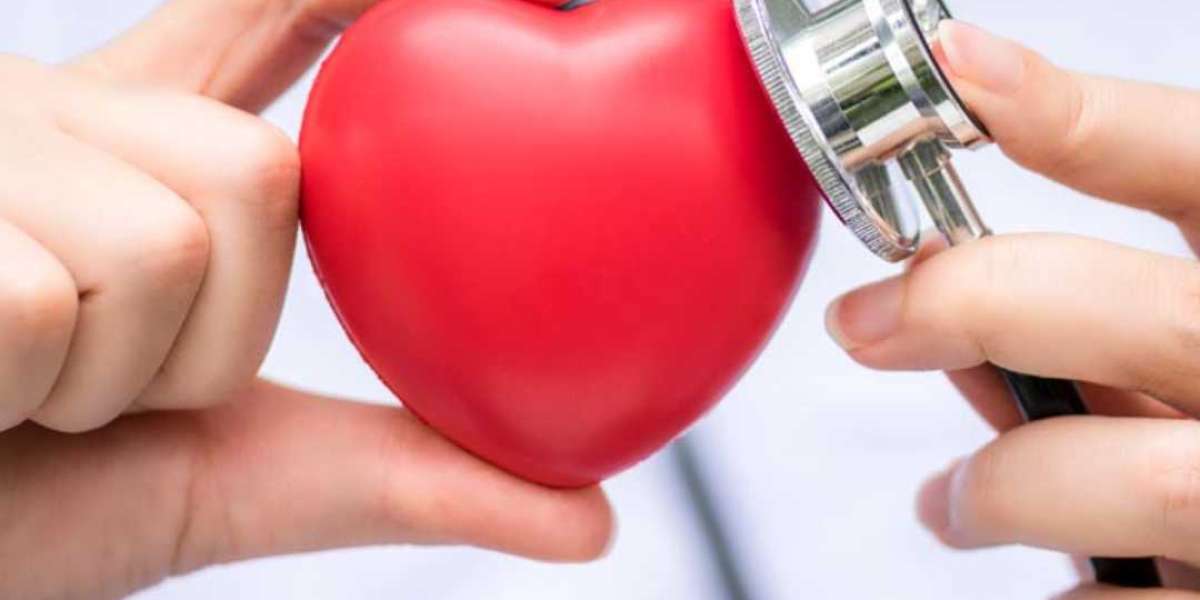

Heart health is one of the foundations of overall wellness. The heart continuously pumps blood throughout the body, delivering oxygen and nutrients to organs and tissues. When the heart is healthy, the body functions efficiently. When the heart struggles, daily life can become difficult. Cardiology is the medical specialty dedicated to keeping the heart healthy, diagnosing diseases, and treating conditions that affect the cardiovascular system.
In modern times, heart disease has become increasingly common due to changing lifestyles. Sedentary routines, fast food, stress, smoking, and untreated health conditions have all contributed to rising cardiac problems. Yet many heart issues are preventable. Understanding cardiology can help people make smarter choices and seek care before problems become dangerous.
Why Cardiology Matters
Cardiology focuses on diseases involving the heart and blood vessels. These include coronary artery disease, arrhythmia, heart failure, high blood pressure, valve disease, and congenital heart defects. Since the heart powers the entire circulatory system, any issue with it can impact the brain, kidneys, lungs, and more.
Cardiologists specialize in evaluating symptoms, performing tests, interpreting results, and creating treatment plans. They help patients recover from heart attacks, manage chronic conditions, and improve quality of life.
Major Risk Factors for Heart Disease
Some people believe heart disease only affects the elderly, but it can develop at any age. Risk factors often begin earlier in life. High cholesterol is one of the leading causes because it can block arteries over time. High blood pressure silently damages blood vessels and increases the chance of stroke or heart attack.
Diabetes significantly raises heart risk. Smoking harms blood vessels and reduces oxygen supply. Excess body weight places extra pressure on the heart. Lack of exercise weakens circulation and metabolism. Chronic stress and poor sleep can also contribute to heart strain.
Family history is another important factor. If close relatives had heart disease, screening becomes even more valuable.
Signs You Should Not Ignore
Heart symptoms are not always dramatic. Sometimes the warning signs are subtle and gradual. Chest tightness, shortness of breath during simple activities, unusual tiredness, swelling in feet, palpitations, dizziness, and fainting are all reasons to seek medical advice.
Some people experience heartburn-like discomfort, shoulder pain, or pressure in the chest during exertion. These symptoms should never be ignored, especially if they repeat or worsen.
Lifestyle Changes That Protect the Heart
Heart care begins with everyday choices. A diet low in saturated fat and rich in fiber can reduce cholesterol. Fresh vegetables, fruits, fish, nuts, and whole grains support cardiovascular health. Drinking enough water and reducing excess salt can help blood pressure control.
Exercise is one of the most effective tools for prevention. Walking, cycling, swimming, or light workouts improve circulation and strengthen the heart muscle. Quitting smoking is one of the fastest ways to reduce heart risk. Good sleep and stress control also improve heart rhythm and hormone balance.
The Role of Screening and Early Diagnosis
One of the biggest dangers of heart disease is that it can progress silently. People may feel fine while blood pressure or cholesterol slowly damages the body. Routine screening helps detect risk factors early.
Doctors may recommend blood pressure checks, cholesterol tests, ECG, echocardiogram, treadmill stress testing, or other evaluations depending on symptoms and history. Early diagnosis often prevents emergencies and reduces long-term complications.
Treatment Options in Modern Cardiology
Today’s cardiology offers advanced treatment methods. Medications can lower cholesterol, control blood pressure, regulate heartbeat, and reduce clotting risks. Lifestyle counseling helps patients improve daily habits.
When arteries are blocked, procedures such as angioplasty or stent placement may restore blood flow. Pacemakers and other devices help those with rhythm disorders. In severe cases, surgery may be needed. With proper treatment, many patients return to active lives.
Final Thoughts
Your heart works for you every second of every day. Taking care of it is one of the best investments in your future. Cardiology provides the knowledge, tools, and treatment needed to protect this vital organ.
Whether through prevention, regular checkups, or expert treatment, heart care should never be delayed. A healthy heart brings strength, energy, and confidence to live life fully. Prioritize your heart today, because every heartbeat matters.