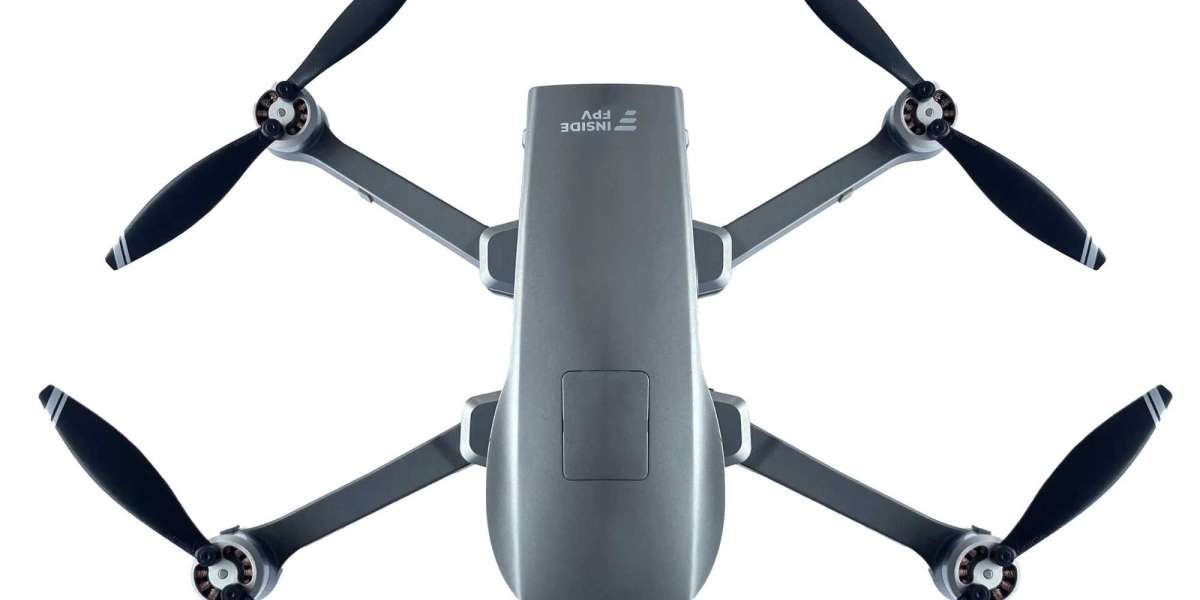

A major shift in warfare is playing out in the Middle East, and it carries lessons that India cannot afford to overlook. What is unfolding is not just another regional conflict. It is a live demonstration of how modern wars are being fought and, more importantly, how they are being sustained.
Since Operation Epic Fury began on February 28, 2026, Iran has launched repeated waves of Shahed-136 drones targeting military bases, energy infrastructure, and critical facilities across the Gulf. These attacks are not defined by precision alone. They are defined by scale.
In response, the United States has deployed its own low cost strike system known as LUCAS. Priced at roughly $35,000 per unit, this platform is now being used for missions that once required Tomahawk cruise missiles costing millions.
This shift is not just tactical. It is economic. And it is quietly rewriting the rules of warfare.
For India, which faces active security challenges on two fronts, the implications are immediate and serious.
The New Economics of Warfare
At the heart of this conflict lies a simple but powerful equation.
It is the cost difference between attack and defence.
On one side are low cost drones that can be produced in large numbers. On the other are high value interceptor systems designed to neutralise them.
The numbers tell the story clearly.
A Shahed drone can cost anywhere between $20,000 and $50,000. Interceptor systems like Patriot missiles can cost several million dollars per unit. Cruise missiles used for strike missions also fall in a similar range. The concept of a $20K Drone vs $4M Missile War highlights the growing importance of cost-effective warfare strategies.
This creates a situation where the defender spends far more than the attacker.
The strategy behind this is straightforward. Instead of relying on a few expensive systems, the attacking side uses volume. Large numbers of drones are launched together, forcing defenders to respond repeatedly.
Even if most of these drones are intercepted, the cost of doing so becomes a burden over time.
This approach is often described as financial attrition. The objective is not just to damage targets but to strain resources.
Why Volume Matters More Than Precision
The Shahed-136 drone itself is not considered highly advanced by modern standards.
It does not rely on cutting edge sensors or complex systems. It is relatively slow and lacks many features seen in high end platforms.
Yet it has proven to be effective.
Its strength lies in simplicity. It is built using basic components, follows a straightforward design, and can be launched with minimal preparation. This allows it to be produced quickly and deployed in large numbers.
That is what makes it dangerous.
When hundreds of such drones are used together, even advanced defence systems face pressure. The challenge is not just technical. It is logistical and financial.
This is a clear shift from earlier models of warfare where precision and sophistication were the primary focus.
A Surprising Validation
Perhaps the most interesting development in this space is how other countries are responding.
The United States has developed the LUCAS drone, a low cost strike system that reflects a similar philosophy. The speed at which it was developed is notable, moving from concept to deployment in a relatively short period.
This indicates a broader shift in thinking.
Even the most advanced militaries are recognising the importance of affordable, scalable systems. High end platforms still have a role, but they are no longer the only solution.
The ability to produce and deploy large numbers of systems quickly is becoming just as important.
Why This Matters for India
For India, these developments are not distant observations.
The country shares long and sensitive borders with both China and Pakistan. Both nations are actively investing in drone technology and expanding their capabilities.
During the 2025 conflict with Pakistan, drones were used in active operations. That phase of the conflict highlighted both strengths and gaps.
India demonstrated strong defensive capability, but it also became clear that scaling offensive drone operations remains a challenge.
The situation in the Middle East shows what large scale drone warfare looks like in practice. Hundreds of drones can be launched in a short period, creating sustained pressure.
In such a scenario, the outcome may depend not on who has the most advanced systems, but on who can sustain operations longer.
Current State of India’s Drone Ecosystem
India has taken several important steps to build its drone capabilities.
Government support has increased, with significant procurement orders for domestically developed systems. Financial incentives have been introduced to encourage manufacturing. Training infrastructure is also expanding, with thousands of certified drone operators now active across the country.
The number of registered drones has grown rapidly, and new policies are being introduced to support further development.
These are positive signs.
They show that the importance of drones is being recognised at multiple levels.
The Gaps That Remain
Despite this progress, there are areas that need urgent attention.
One of the most critical issues is supply chain dependence. Many key components used in drone manufacturing are still sourced from outside the country. This creates a vulnerability, especially in times of conflict when access to these components may be restricted.
Another challenge is production scale. Much of the current manufacturing is based on demand, with production increasing only after orders are placed. This approach may not be sufficient in a situation that requires rapid and continuous output.
There is also a need to strengthen counter drone systems. As offensive capabilities grow, the ability to defend against similar threats becomes equally important. FPV Kamikaze Drone Operations in Ladakh provide real-time visual control, allowing operators to guide drones directly to their targets.
Lessons From the Ongoing Conflict
There are clear lessons emerging from the current situation.
The first is that scale matters. A large number of simple systems can create more impact than a small number of advanced ones, especially in the early stages of conflict.
The second is that cost can be used as a strategic tool. Forcing an opponent to spend heavily on defence can weaken their position over time.
The third is that defence must evolve alongside offence. Without effective counter systems, even strong capabilities can be overwhelmed.
What India Needs to Focus On
To stay prepared, India will need to focus on a few key areas.
Building a strong domestic supply chain is essential. Reducing dependence on external sources will improve resilience.
Increasing manufacturing capacity is equally important. The ability to produce large numbers of drones quickly will determine operational readiness.
Investment in counter drone technologies must also continue. This includes electronic warfare systems, interception platforms, and other solutions designed to neutralise threats efficiently.
Finally, collaboration between the military, industry, and startups can help accelerate progress.
A Changing Battlefield
The nature of warfare is evolving.
Large platforms and advanced systems will continue to play a role, but they are no longer the only factors that determine outcomes.
Affordable, adaptable, and scalable technologies are becoming central to military strategy.
For India, this shift presents both a challenge and an opportunity.
The country has the talent, the industry base, and the policy support needed to build strong capabilities. What matters now is speed.
The Road Ahead
The events unfolding in the Middle East are not just regional developments. They are indicators of a broader transformation.
Future conflicts will be shaped by how quickly systems can be built, deployed, and replaced.
India’s position, with its complex security environment, makes it essential to stay ahead of this curve.
The focus must move beyond individual systems to building an ecosystem that can sustain operations at scale.
Because in the wars of the future, the advantage may not go to the side with the most advanced technology.
It may go to the side that can keep going longer.
FAQ
- Why are low cost drones important in modern warfare?
They create a cost imbalance by forcing expensive defensive responses, making them effective even when intercepted. - What is the Shahed-136 drone?
It is a loitering munition designed to strike targets directly, built using simple components and produced at low cost. - Why did the US develop a system like LUCAS?
To create an affordable alternative to expensive strike systems and support large scale deployment. - Why is this conflict relevant to India?
India faces similar security challenges and must prepare for large scale drone operations along its borders. - What is India’s biggest challenge in this area?
Dependence on imported components and limited production scale. - What steps can improve India’s readiness?
Strengthening domestic manufacturing, scaling production, and investing in counter drone technologies.






