
A Brazilian Jiu-Jitsu (BJJ) gi is a fundamental piece of training equipment used in both recreational practice and regulated competition. Selecting the right gi is not merely a matter of preference; it directly influences performance, comfort, durability, and compliance with competition standards. As BJJ continues to grow globally under organizations such as the International Brazilian Jiu-Jitsu Federation (IBJJF), athletes are increasingly required to make informed choices about their training apparel.
This article provides a professional, research-based breakdown of how to choose the right BJJ gi for training and competition. It also examines related performance apparel such as rash guards for men and mens workout shorts, which play a significant role in modern grappling and hybrid training environments.
Understanding the BJJ Gi
A BJJ gi consists of a heavy cotton jacket, reinforced pants, and a belt that indicates rank. Unlike general martial arts uniforms, BJJ gis are engineered to withstand constant gripping, pulling, and ground-based friction.
The design is influenced by traditional Japanese judo uniforms but modified for Brazilian Jiu-Jitsu’s unique demands. Key structural elements include:
- Reinforced stitching at stress points
- Thick collar construction for grip resistance
- Durable cotton weave (commonly pearl weave or gold weave)
- Reinforced knees and lapels
The gi is both a training tool and a regulatory requirement in most gi-based competitions.
Why Choosing the Right BJJ Gi Matters
Selecting an appropriate gi impacts multiple aspects of performance and safety:
- Grip efficiency: Incorrect fabric weight or weave can give opponents an advantage.
- Thermal regulation: Heavier gis retain heat, affecting endurance during long sessions.
- Mobility: Poor fit restricts movement during transitions and guard work.
- Competition legality: Non-compliant gis may be disqualified under IBJJF rules.
Industry standards emphasize that athletes should balance durability with performance efficiency rather than prioritizing aesthetics alone.
Key Factors in Choosing a BJJ Gi
Fabric and Weave Type
The most common weaves include:
- Pearl weave: Lightweight, durable, and widely used in competition
- Gold weave: Slightly heavier, offering a balance between strength and comfort
- Single weave: Lightweight but less durable; generally used for beginners
Pearl weave has become the industry standard due to its optimal strength-to-weight ratio.
Gi Weight
Gi weight affects endurance and heat retention. Lightweight gis improve speed and comfort, while heavier gis enhance grip resistance and durability.
- Lightweight (350–450 GSM): Preferred for competition
- Midweight (450–550 GSM): Balanced training use
- Heavyweight (550+ GSM): Durability-focused training
Fit and Sizing
Proper fit is essential for both compliance and functionality. A gi that is too loose can be easily controlled by opponents, while a tight gi restricts mobility.
Key fit considerations:
- Sleeve length should reach wrist bone
- Pants should sit above ankle without dragging
- Jacket should allow full guard movement without excess slack
Competition Compliance (IBJJF Standards)
Competitive athletes must adhere to strict guidelines defined by the IBJJF, including:
- Pre-shrunk or minimally shrinking fabric
- Specific color allowances (white, blue, black)
- Patch placement restrictions
- Sleeve and pant length regulations
Failure to comply results in disqualification or forced replacement before competition.
Durability and Construction
High-quality gis use reinforced stitching and ripstop fabric panels in high-stress areas. Reinforced knees and lapels significantly extend lifespan, particularly for athletes training multiple times per week.
Training vs Competition Gis
Training gis prioritize durability and comfort, while competition gis emphasize weight reduction and compliance.
- Training gis: Heavier, more durable, tolerate frequent washing
- Competition gis: Lightweight, precise fit, optimized for speed and grip defense
Many athletes maintain separate gis for each purpose to extend equipment lifespan.
Sizing, Shrinkage, and Maintenance
Cotton naturally shrinks after washing, especially if not pre-treated. Manufacturers often offer "A" (adult) sizing with shrink allowances.
Best practices include:
- Cold water washing
- Air drying instead of machine drying
- Avoiding bleach or harsh detergents
Proper care significantly extends gi usability and maintains compliance fit standards.
Integration of No-Gi Training Apparel
Modern grapplers often train in both gi and no-gi formats. In no-gi environments, compression-based gear replaces traditional uniforms.
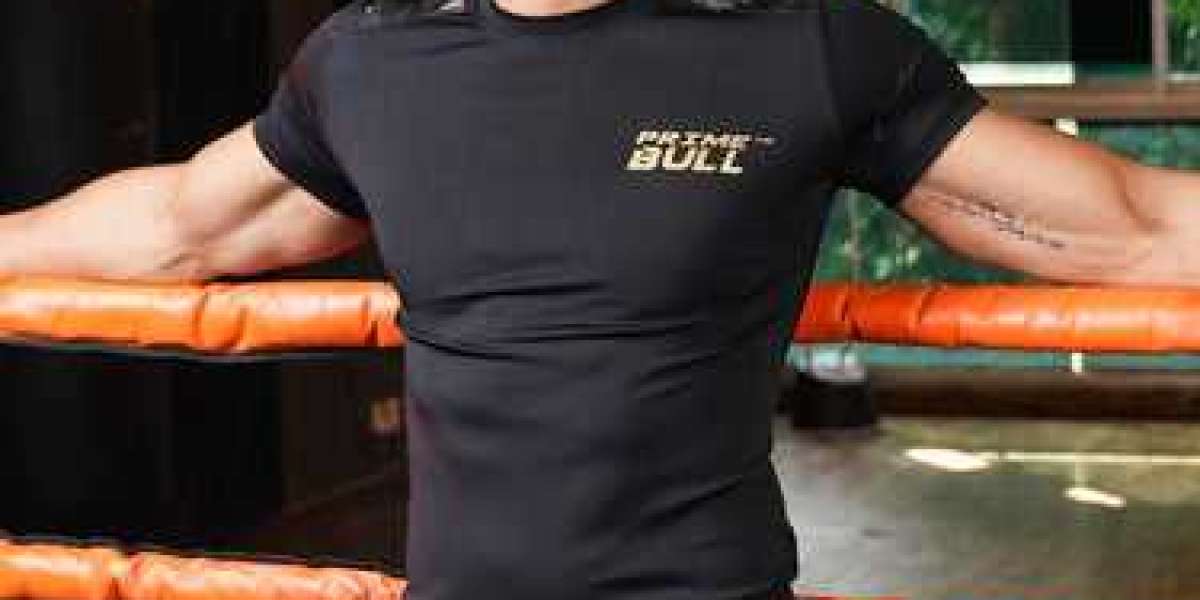
Athletes commonly use rash guards for men to reduce skin abrasions, manage sweat, and improve hygiene during grappling exchanges. One widely used performance option is available here:
rash guards for men
Lower-body performance is often supported by flexible mens workout shorts designed for unrestricted movement, making them a standard complement to no-gi training systems.
Expert Insights and Best Practices
Experienced coaches and competitive athletes emphasize the following strategies:
- Rotate multiple gis to reduce wear concentration
- Choose pearl weave for balanced long-term performance
- Match gi weight to training intensity and climate
- Invest in reinforced stitching over aesthetic design features
- Maintain strict hygiene protocols to prevent bacterial buildup in fabric
These practices are widely adopted in professional academies and competition teams due to their impact on longevity and athlete performance consistency.
Common Mistakes and Misconceptions
Choosing Based on Appearance Alone
Many beginners prioritize color or branding rather than functional fit and compliance, which can negatively affect performance.
Ignoring Shrinkage Factors
Failure to account for shrinkage leads to improperly fitting gis after the first few washes.
Overlooking Competition Rules
Non-compliant gis are a frequent cause of last-minute disqualification in tournaments.
Assuming One Gi Fits All Purposes
Training and competition requirements differ significantly, and a single gi rarely performs optimally in both contexts.
Conclusion
Choosing the right BJJ gi is a technical decision that directly affects performance, safety, and competitive eligibility. Key factors such as weave type, weight, fit, and compliance standards must be evaluated carefully. When combined with appropriate no-gi gear such as rash guards for men and mens workout shorts, athletes achieve a complete and adaptable training system suited for modern Brazilian Jiu-Jitsu demands.
A well-selected gi not only improves technical execution but also supports long-term progression within the sport.
FAQs
What is the best weave type for a BJJ gi?
Pearl weave is widely considered the best balance of durability, comfort, and competition compliance.
How often should a BJJ gi be replaced?
With regular training (3–5 sessions per week), a high-quality gi typically lasts 12–24 months.
Does gi weight affect performance?
Yes. Lighter gis improve speed and endurance, while heavier gis enhance grip resistance and durability.
Can the same gi be used for training and competition?
It is possible, but many athletes prefer separate gis for optimal performance and longevity.
How should a BJJ gi be washed?
Cold water washing and air drying are recommended to prevent shrinkage and fabric degradation.
What happens if a gi is not IBJJF compliant?
The athlete may be required to change the gi before competing or risk disqualification.
Why is fit so important in BJJ?
A proper fit minimizes opponent gripping advantages and ensures unrestricted movement.