Indoor gardening enthusiasts know that lighting is one of the most critical components for successful plant growth especially when cultivating autoflowering plants. These unique plants begin to flower automatically without changes in the lighting schedule, but they still demand sufficient light intensity and the right spectrum to achieve robust growth and abundant yields. In this guide, we’ll walk through everything you need to know about Best Grow Lights For Autoflowering plants, how to choose the right setup, and top lighting recommendations for growers of all experience levels.
What Makes Autoflowering Plants Unique?
Autoflowering plants are genetically programmed to transition from vegetative growth to flowering on their own, typically within 8–10 weeks from seed. Unlike photoperiod plants, which require a switch from long light hours to a shorter lighting schedule to trigger flowering, autoflowers flower regardless of light duration. This means growers can often run their lights for 18–24 hours per day throughout the plant’s life cycle.
Because of this extended light exposure, autoflowering plants don’t need extremely high light intensity to reach their daily light integral (DLI), which is the amount of light energy a plant receives per day. Many growers aim for approximately 550 µmol/m²/second PAR intensity to strike the right balance between growth and energy efficiency.
How Lighting Influences Autoflower Growth
Lighting doesn’t just help plants grow it directly impacts photosynthesis, internodal spacing, bud development, and overall plant health. Different qualities of light also influence specific growth stages:
• Blue Spectrum (400–500 nm): Supports leafy vegetative growth
• Red Spectrum (620–700 nm): Encourages flowering and bud formation
• Full Spectrum: A balanced light that mimics natural sunlight and benefits all stages of a plant’s development
Most modern grow lights for autoflowers combine these spectrums into a full-spectrum output, giving plants the light they need from seedling to flower.
Key Factors to Consider Before Buying a Grow Light
Picking the right light isn’t just about wattage or price. Here are some essential elements to consider:
1. Light Type
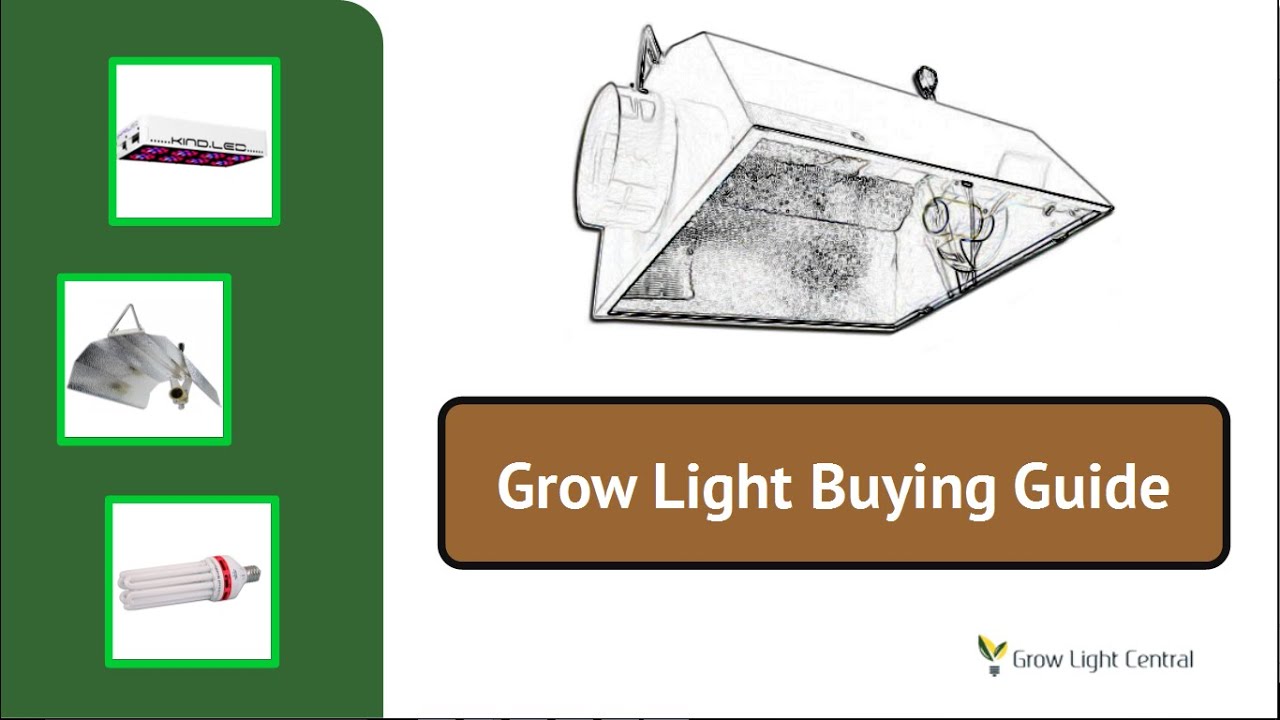
There are several types of grow lights, but the most effective for autoflowering plants today are LEDs:
• LED Grow Lights: Energy-efficient, long-lasting, minimal heat output, and capable of full-spectrum coverage. Modern LEDs are the go-to choice for both beginner and advanced growers.
• HID / HPS / CMH Lights: Produce high intensity but also more heat and higher energy costs often better for larger commercial grows.
2. PAR PPFD Ratings
Watts alone don’t tell the whole story. Look for fixtures with PAR (Photosynthetically Active Radiation) or PPFD (Photosynthetic Photon Flux Density) ratings, which indicate how much usable light your plants actually receive.
3. Coverage Area
Make sure the light you choose matches the size of your grow space. Too small a light will lead to weak, leggy plants; too overpowering can lead to bleaching or light burn.
4. Heat Output
Autoflowers thrive in controlled environments. LEDs usually run cooler than HID lights, reducing the risk of heat stress and lowering ventilation costs.
Best Grow Lights For Autoflowering: Top Picks

Here’s a curated list of highly recommended grow lights that are ideal for autoflower gardens:
1. Full-Spectrum LED Panels
Why They’re Great: Full-spectrum panels emit light across all wavelengths that plants need, making them excellent all-around choices for autoflower cycles. They often feature both red and blue diodes along with white light to closely mimic natural sunlight.
Full-spectrum LEDs improve photosynthesis at every growth phase — from seedlings to flowering.
They also tend to be energy efficient, reducing power bills while delivering strong yields.
Common recommended models among growers include full-spectrum LEDs with adjustable settings and dimming functions, which help you fine-tune intensity as plants grow.
2. Compact LED Grow Lights for Smaller Space
Smaller LED fixtures are perfect for tent growers or hobbyists with limited grow areas (like 2×2 or 3×3 tents). These systems still offer full spectrum lighting but in a compact and affordable package.
Examples that growers often turn to include lights with:
Coverage suited for small tents
Lower power consumption (~100–150W)
Balanced blue and red spectrum suitable for both veg and bloom phases
Spider Farmer SF-1000 and Viparspectra P1000 are commonly mentioned in grow forums for small autoflower spaces.
3. Mid-Range Grow Lights With Adjustable Controls
These fixtures are a step up for growers looking for increased control and efficiency. They typically include:
Dimmable functions
Better light spread and coverage
Higher PPFD outputs for larger tents
Mid-range options often list features like adjustable veg and bloom modes, automated timers, and multiple light channels making them versatile for growers who want more control over intensity and light schedule.
4. COB High-Output LED Lights
If you’re growing in larger tents or want professional yields, Chip-On-Board (COB) LED grow lights are powerful options.
COB LEDs provide intense, focused light
They offer deep canopy penetration
They can be best for larger grow areas
COB lights are energy-efficient while maintaining strong PPFD values, especially useful during the flowering phase when autoflowering plants push heavier buds.
How to Position Your Grow Lights
Correct light placement is just as important as choosing the right fixture:
• Seedlings: Start with lights around 24–30 inches above the plant canopy.
• Vegetative Stage: Gradually bring lights closer around 18–24 inches.
• Flowering Stage: Lights can be around 12–18 inches above canopy watch for signs of light burn.
Because autoflowers grow quickly and don’t stretch as much, adjusting height as they grow ensures they get even light distribution without burning. Lighting schedules of 18–24 hours per day help maximize photosynthesis and plant growth.
Common Mistakes to Avoid
Even with excellent lights, growers sometimes run into issues:
❌ Using “equivalent watt” ratings: Many cheap lights advertise high equivalent wattage that doesn’t reflect actual power draw or PAR output.
❌ Not checking spectrum: A light that doesn’t emit the full range of wavelengths can stunt growth.
❌ Hanging lights too close: Excess heat and light burn can damage leaves and slow growth.
Tips for Maximum Autoflower Success
? Track PPFD Light Hours: Proper daily light integral (DLI) impacts plant development. Adjust your light schedule based on how your plants respond.
? Ventilation Climate Control: Lights generate heat make sure your grow space stays within ideal temperature and humidity.
? Quality Over Price: Invest in efficient LED lights rather than cheap bulbs better light quality translates into healthier plants and higher yields.
Conclusion:
Growing autoflowering plants indoors can be incredibly rewarding, but it requires attention to lighting one of the most crucial variables for healthy plant growth and impressive yields. By choosing Best Grow Lights For Autoflowering plants that deliver full spectrum output, the right intensity (PAR/PPFD), and adjustable features for your grow space, you optimize your chances of success.
visit more about: wetelluhow