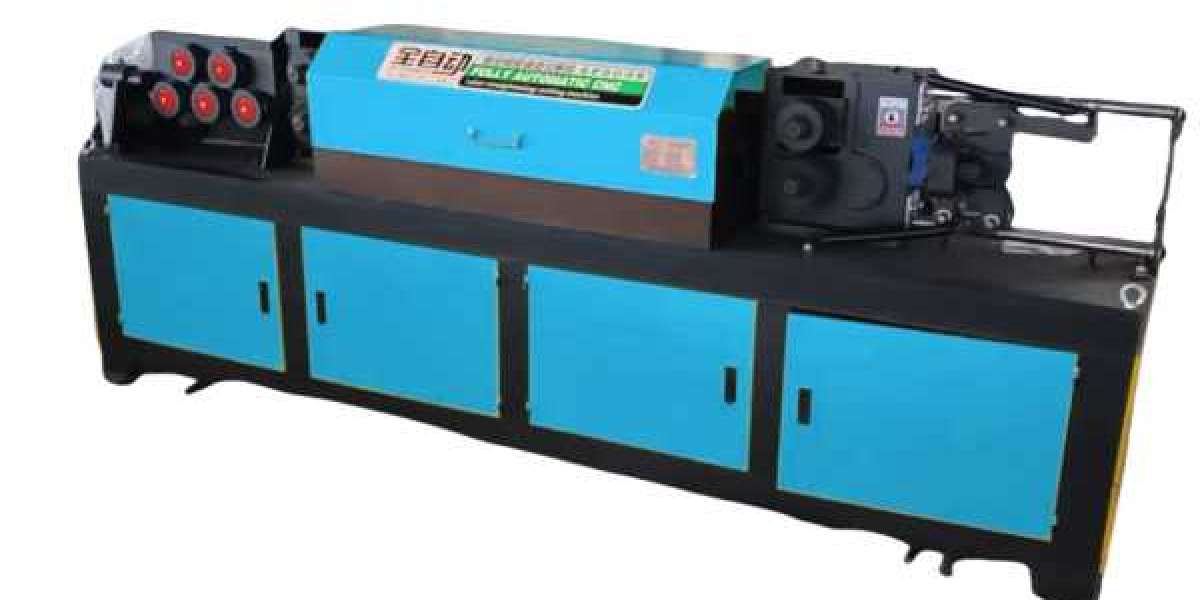

The quality of reinforced concrete construction depends on many factors, including the preparation of steel reinforcement. Before rebar can be placed into foundations, columns, beams, and other structural components, it often needs to be straightened and cut to suitable lengths. A reliable rebar straightener and cutter helps simplify these essential operations by combining two important processing stages into one practical workflow. For construction companies and steel fabrication businesses, suitable machinery can improve production organisation, reduce repetitive manual work, and support consistent material preparation.
Why Rebar Preparation Matters in Construction
Reinforcing steel provides additional strength to concrete structures, helping them withstand different loads and stresses. However, rebar must be prepared according to project requirements before it can be installed. Uneven lengths, unwanted curves, and inconsistent processing can create difficulties during reinforcement assembly.
Manual straightening and cutting may be manageable for small jobs, but larger construction projects often require substantial quantities of accurately prepared steel bars. As production demands increase, relying entirely on manual methods can slow down operations and make it harder to maintain consistency.
Mechanical processing offers a more organised approach. By using dedicated equipment, businesses can prepare reinforcing bars more efficiently while allowing workers to focus on other important production activities.
Understanding Combined Straightening and Cutting Equipment
Rebar straightening and cutting machines are designed to process reinforcing steel by removing unwanted curves and preparing bars in required lengths. Depending on the machine configuration, material is fed through a straightening mechanism before reaching the cutting section.
The straightening process generally uses rollers to guide and correct the steel as it moves through the equipment. Once the material reaches the required position or length, the cutting mechanism separates it into individual pieces.
Combining these operations can reduce the need to transfer material between separate workstations. This helps create a smoother production sequence and can make better use of available workshop space.
For businesses handling regular reinforcement orders, an integrated processing system can become an important part of daily operations.
Advantages of Using Modern Rebar Processing Machinery
1. More Efficient Production
Time is an important resource in construction and steel fabrication. When workers must straighten and cut every bar through separate manual processes, production can become slow and repetitive.
Dedicated machinery helps streamline these activities by bringing the two operations together. This can support a more continuous workflow, particularly when preparing large batches of reinforcing steel.
2. Consistent Material Preparation
Construction projects require reinforcement materials that meet specified dimensions. Inconsistent preparation can cause difficulties during installation and may result in additional adjustments.
Mechanical straightening and cutting help operators follow more consistent processing procedures. Correct machine settings, suitable material handling, and regular inspection all contribute to dependable results.
3. Reduced Manual Work
Handling steel bars repeatedly can require considerable physical effort. Automated or mechanically assisted processing reduces the amount of repetitive work involved in straightening and cutting.
This allows workers to concentrate on monitoring production, organising finished materials, and maintaining the wider fabrication process. Proper training and safe operating procedures remain essential for every machine operator.
4. Better Workshop Organisation
A well-organised production area can improve efficiency across an entire fabrication facility. When straightening and cutting take place within a coordinated process, businesses may reduce unnecessary material movement between workstations.
Finished bars can then be sorted, counted, and prepared for the next stage of construction or fabrication.
5. Improved Production Planning
Machinery that supports repeatable processing can make it easier to organise production according to project requirements. Operators can prepare materials in planned batches and coordinate output with reinforcement assembly schedules.
This helps workshops manage workloads and respond more effectively to changing project demands.
Where These Machines Can Be Used
Rebar straightening and cutting equipment has applications across several construction-related industries.
Building Construction: Residential and commercial building projects use reinforcing steel in foundations, columns, beams, slabs, and other concrete structures. Properly prepared bars help workers organise reinforcement according to construction drawings.
Bridge and Infrastructure Projects: Infrastructure development often requires substantial quantities of reinforcing materials. Efficient preparation can support fabrication schedules and help maintain an organised supply of steel components.
Steel Fabrication Workshops: Specialist fabrication facilities regularly process reinforcing bars for contractors and construction companies. Dedicated machinery can help these businesses handle recurring orders and maintain consistent production procedures.
Precast Concrete Manufacturing: Precast facilities prepare reinforcement for concrete products manufactured away from the final construction site. Organised steel processing supports smoother production and material handling.
Important Factors When Selecting a Machine
Choosing suitable equipment requires more than comparing prices. Buyers should first understand their production requirements and identify the machine characteristics that matter most to their operations.
Start by considering the diameter range of the reinforcing steel being processed. The machine must be compatible with the materials used in regular production. Processing volume is another important factor because equipment intended for occasional work may not suit a high-demand fabrication facility.
Buyers should also evaluate cutting-length requirements, feeding arrangements, operating controls, maintenance needs, and available workshop space. Electrical requirements and installation conditions should be checked before placing an order.
Safety deserves equal attention. Operators should understand the machine's controls, emergency stopping procedures, and recommended operating practices. Protective equipment and routine inspections help create a safer working environment.
Finally, consider the manufacturer's technical assistance, availability of replacement components, documentation, and after-sales support. These factors can influence the long-term value of industrial machinery.
Maintenance for Reliable Long-Term Operation
Regular maintenance helps keep rebar processing equipment in suitable working condition. Operators should follow the manufacturer's maintenance instructions and establish a routine inspection schedule.
Important maintenance activities may include checking rollers for wear, inspecting cutting components, lubricating specified moving parts, and examining electrical connections. Any unusual noise, vibration, or change in processing performance should be investigated before it develops into a larger problem.
Keeping the working area clean also helps prevent unnecessary material accumulation around moving components. Maintenance should only be performed by authorised personnel using appropriate isolation and safety procedures.
A planned maintenance routine can reduce unexpected interruptions and support more dependable production.
Supporting More Productive Construction Operations
As construction projects become more demanding, efficient material preparation remains an important part of successful project management. Straightening and cutting equipment helps businesses organise reinforcing steel, reduce repetitive handling, and prepare materials for different structural applications.
The right machinery should match the actual requirements of the workshop, including material sizes, production volume, accuracy expectations, and available facilities. Careful equipment selection, trained operators, and regular maintenance together contribute to better results.
For companies looking to improve reinforcement preparation and create a more organised production process, exploring the rebar straightener and cutter from XYC Steel Machine can be a useful starting point when evaluating suitable steel processing solutions.