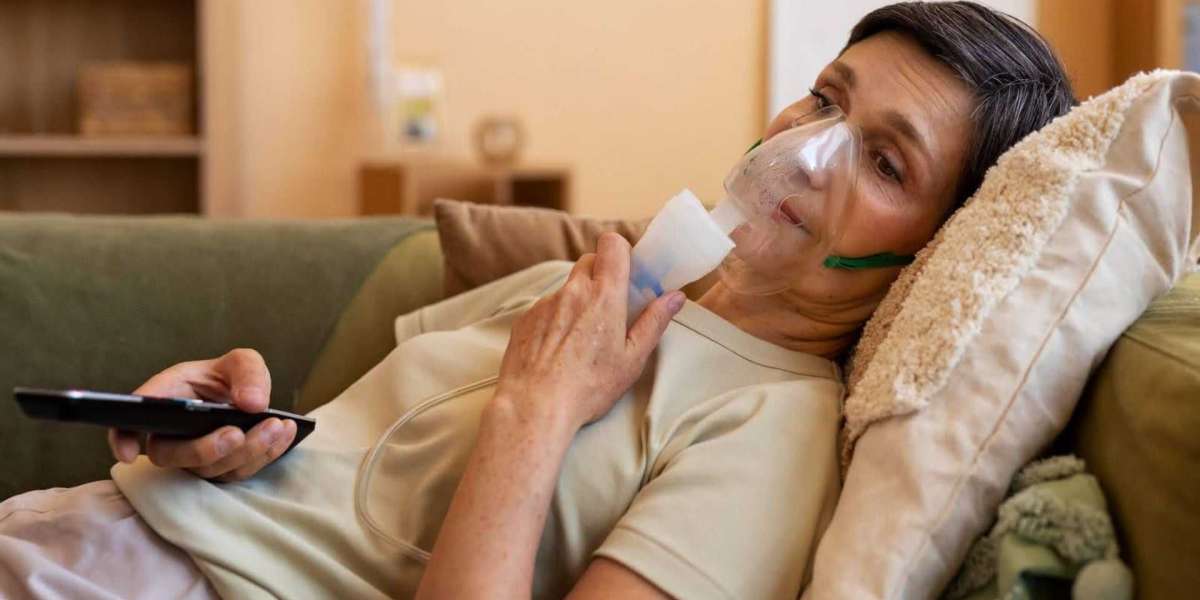

Home oxygen therapy is an important treatment for people who cannot maintain adequate oxygen levels because of certain respiratory or medical conditions. Despite its benefits, many misconceptions about oxygen use can make patients and families hesitant or lead to unsafe practices. Understanding the facts is particularly important for individuals considering Oxygen Therapy At Home In Dubai, where professional assessment and proper equipment use can support safe respiratory care. With guidance from qualified healthcare professionals, including a Doctor at Home, patients can learn when oxygen therapy is necessary, how it works, and what precautions should be followed. Separating common myths from medical facts helps patients make informed decisions and feel more confident about managing treatment at home.
Myth 1: Everyone With Breathing Difficulties Needs Oxygen Therapy:
One common misconception is that anyone experiencing breathlessness should use supplemental oxygen. In reality, breathlessness does not always mean that blood oxygen levels are low. It can occur because of asthma, anxiety, heart conditions, infections, physical exertion, and several other causes. Oxygen therapy is generally prescribed when medical assessment identifies inadequate oxygen levels or another specific clinical reason for treatment. A healthcare professional may use pulse oximetry, arterial blood gas testing, and other investigations to determine whether oxygen is required. Using oxygen without a prescription may not address the underlying cause of breathing difficulty and can be harmful for certain patients. The correct approach is to identify the reason for symptoms and follow an individualised treatment plan.
Myth 2: More Oxygen Always Means Better Breathing:
Some patients believe that increasing their oxygen flow rate will automatically improve breathing and provide faster relief. However, oxygen therapy must be carefully prescribed because more oxygen is not necessarily better for every patient. Certain individuals, particularly some people with COPD who are vulnerable to carbon dioxide retention, may experience complications if oxygen is administered excessively. The correct flow rate depends on the patient's condition, oxygen saturation, and medical assessment. Patients should never adjust their oxygen settings independently, even when they feel breathless or notice a change in their pulse oximeter reading. Important points to remember include:
Follow the prescribed oxygen flow rate.
Do not increase or decrease settings without medical advice.
Report persistent breathlessness or unusual symptoms.
Attend recommended oxygen assessments and follow-up appointments.
Use a pulse oximeter according to professional instructions.
Correct oxygen delivery is more important than simply using a higher setting.
Myth 3: Home Oxygen Therapy Is Only for Older Adults:
Another misconception is that oxygen therapy is intended exclusively for elderly patients. Although older adults may be more likely to experience certain chronic respiratory conditions, people of different ages can require supplemental oxygen. Younger adults may need oxygen because of serious lung diseases, complications following an illness, certain heart conditions, or other medical problems that affect oxygen levels. In some cases, oxygen therapy may also be prescribed temporarily during recovery from an acute medical condition. Age alone does not determine whether someone needs oxygen. Healthcare professionals assess the patient's symptoms, diagnosis, test results, and overall health before recommending treatment. This ensures that oxygen support is based on medical needs rather than assumptions about age.
Myth 4: Oxygen Therapy Can Cure Chronic Respiratory Diseases:
Oxygen therapy can help manage low blood oxygen levels, but it does not cure underlying respiratory conditions. For example, people with COPD or certain advanced lung diseases may benefit from prescribed oxygen because it helps maintain adequate oxygen levels. However, it does not reverse lung damage or eliminate the underlying disease. Patients may still require inhaled medications, pulmonary rehabilitation, medical reviews, and lifestyle adjustments as part of their overall treatment plan. Oxygen therapy should therefore be understood as supportive treatment rather than a complete cure. Following the prescribed care plan and attending regular appointments can help patients manage their condition more effectively.
Myth 5: Oxygen Equipment Is Difficult to Use at Home:
Some families worry that oxygen concentrators, cylinders, masks, and nasal cannulas are too complicated for home use. Modern oxygen equipment is designed to support home treatment, and patients or caregivers can learn basic operation through proper instruction. An oxygen supplier or healthcare professional can explain how to switch the device on and off, check connections, recognise alarms, and maintain accessories. Patients should also receive guidance about the prescribed flow rate and what to do if the equipment stops working. While certain maintenance tasks are simple, internal repairs and technical adjustments should always be handled by qualified technicians. With appropriate training and clear instructions, many patients can manage their equipment confidently.
Myth 6: Oxygen Therapy Is Unsafe Because Oxygen Can Cause Fires:
It is true that oxygen creates an increased fire risk, but this does not mean that prescribed oxygen therapy cannot be used safely at home. Oxygen itself is not flammable; however, it supports combustion and can cause fires to start more easily and burn more intensely. Patients and caregivers can reduce risks by following essential safety precautions. Smoking, candles, incense, gas flames, and other ignition sources must be kept away from oxygen equipment. Concentrators should have adequate ventilation, while cylinders should be secured upright according to supplier instructions. Additional precautions include:
Display no-smoking reminders around the home.
Keep oxygen equipment away from heat sources.
Avoid petroleum-based products near oxygen delivery accessories unless approved by a healthcare professional.
Keep electrical cords and tubing organised.
Store oxygen cylinders safely.
Follow the manufacturer's equipment instructions.
These measures help create a safer environment for patients and their families.
Myth 7: Oxygen Therapy Must Be Used Throughout the Entire Day:
Not every patient who receives oxygen needs it continuously. Some individuals may require oxygen only during sleep, physical activity, or specific periods, while others may need long-term oxygen therapy. The duration depends on the underlying condition, oxygen measurements, and treatment goals. Healthcare professionals determine whether oxygen is required continuously or under particular circumstances. Patients should not stop using oxygen simply because they feel better, nor should they extend treatment beyond the prescribed instructions without medical advice. Regular reassessment is important because oxygen requirements can change as a patient's health improves or deteriorates. Following the recommended schedule helps ensure that treatment remains appropriate.
Myth 8: A Normal Pulse Oximeter Reading Means Everything Is Fine:
Pulse oximeters are useful devices for estimating oxygen saturation, but they cannot identify every respiratory or medical problem. A normal SpO2 reading does not necessarily mean that a patient is free from breathing difficulties, carbon dioxide retention, or other complications. Readings may also be affected by cold fingers, movement, poor circulation, nail polish, device quality, and skin pigmentation. Some devices may overestimate oxygen saturation in people with darker skin. Patients should therefore consider their symptoms alongside the displayed number and follow their clinician's monitoring instructions. Severe breathlessness, chest pain, confusion, fainting, or sudden deterioration requires urgent medical attention, even if the pulse oximeter reading appears normal.
Myth 9: Patients Using Home Oxygen Cannot Enjoy Normal Daily Activities:
Many people assume that oxygen therapy prevents patients from enjoying everyday activities or maintaining independence. In reality, suitable equipment and an individualised treatment plan may allow patients to continue many daily routines. Some patients can move around their homes, participate in appropriate physical activities, and attend social gatherings with suitable portable oxygen equipment. However, activity levels should be guided by medical advice, particularly for individuals with advanced respiratory conditions or limited mobility. Patients should plan outings carefully, check their oxygen supply, and understand how to use portable equipment safely. Oxygen therapy does not automatically mean giving up independence; with proper support, patients may continue participating in meaningful activities.
Myth 10: Once Oxygen Therapy Starts, It Can Never Be Stopped:
Some patients believe that beginning oxygen therapy means they will need it permanently. This is not always true. Certain individuals require temporary oxygen support following an illness, hospital admission, or medical procedure. As their condition improves, their oxygen requirements may decrease. Other patients with chronic respiratory conditions may need long-term treatment. Healthcare professionals periodically reassess oxygen needs through clinical examinations and appropriate tests. Patients should never discontinue oxygen independently, even if their symptoms improve or home readings appear normal. Any decision to reduce or stop therapy should be made by the treating clinician after reviewing the patient's condition.
Final Thoughts
Understanding the facts behind common home oxygen therapy myths helps patients and families make safer, more informed healthcare decisions. Oxygen therapy is not required for every person experiencing breathlessness, and using more oxygen does not automatically produce better results. Patients receiving Oxygen Therapy At Home In Dubai should follow their prescribed settings, maintain equipment correctly, and attend regular medical reviews. With professional guidance, proper safety precautions, and accurate information, home oxygen therapy can become a manageable part of respiratory care while supporting comfort, confidence, and everyday independence.






