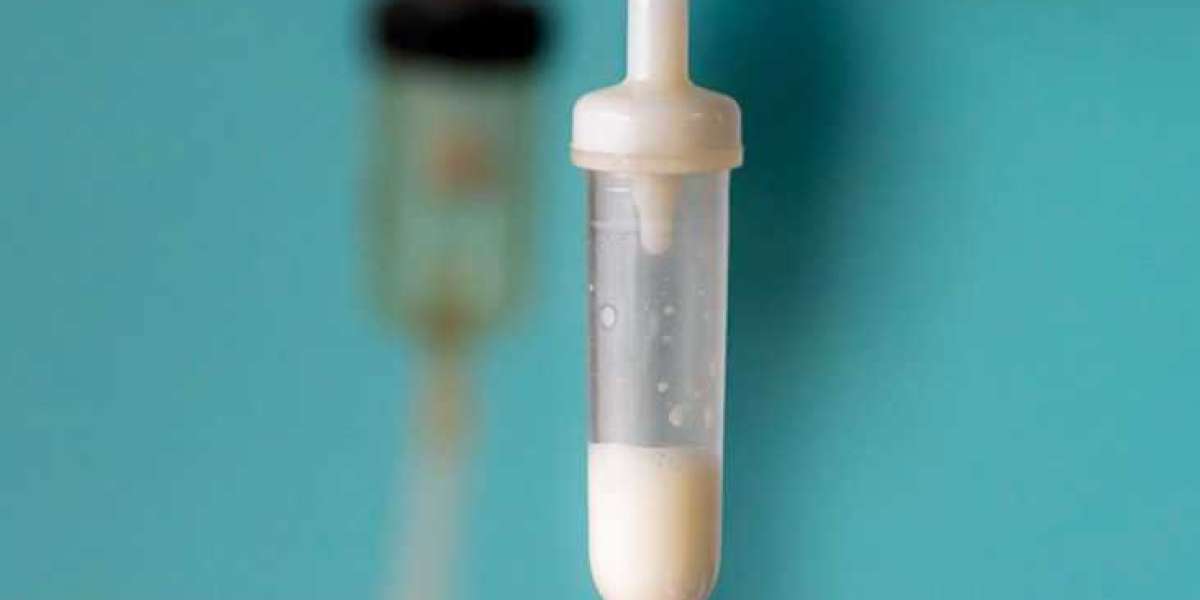

Returning home after a hospital stay can be an important step in a patient's recovery, especially when ongoing nutritional support is required. For families arranging Tube feeding at home in Dubai, understanding how to manage feeding routines, maintain hygiene, and monitor possible complications can make the transition from hospital to home more comfortable. Patients recovering from surgery, stroke, serious illness, or prolonged hospitalisation may temporarily or permanently depend on feeding tubes to receive essential nutrition and fluids. With guidance from qualified healthcare professionals, including Doctor at Home services, caregivers can learn how to follow prescribed feeding instructions and provide safe, consistent support throughout recovery.
Understanding Tube Feeding After Hospital Discharge:
Tube feeding may continue after hospital discharge when a patient cannot swallow safely or consume enough food to meet nutritional requirements. It delivers specially prepared liquid nutrition directly into the stomach or small intestine through a feeding tube. The type of tube, formula, feeding method, and duration of treatment depend on the patient's medical condition and recovery goals. Some patients use a nasogastric tube for shorter-term support, while others may have a gastrostomy or jejunostomy tube for longer-term nutritional care. Before discharge, families should receive clear instructions about feeding, flushing, medication administration, equipment handling, and warning signs. Caregivers should understand the patient's individual plan rather than relying on general feeding advice.
Preparing the Home Before the Patient Arrives:
Preparing the home environment before discharge can make feeding activities easier and reduce unnecessary stress during the first few days. Caregivers should arrange a clean, well-lit area for formula preparation and organise all required equipment in one accessible location. Feeding formula, syringes, extension sets, pump supplies, and cleaning materials should be stored according to manufacturer instructions. The patient's bed or resting area should allow caregivers to follow the recommended positioning instructions during feeding. Families should also keep discharge documents, medication lists, feeding schedules, and healthcare contact details readily available. If several people will assist with care, everyone involved should receive appropriate instructions and training before taking responsibility for feeding.
Following the Prescribed Feeding Schedule:
A consistent feeding schedule helps ensure that the patient receives the planned amount of nutrition throughout the recovery period. The schedule should specify the formula, volume, timing, and administration rate, as well as any prescribed water flushes. Depending on the patient's condition, feeding may be provided through bolus sessions, intermittent feeding, or continuous pump administration. Caregivers should follow the prescribed method and avoid increasing feeding quantities or rates to compensate for missed sessions. Many patients need their upper body elevated during feeding and for the period recommended by their healthcare team. Keeping a written record of completed feeds and interruptions can help families maintain consistency and provide useful information during follow-up appointments.
A daily feeding checklist may include:
Confirming the prescribed formula and feeding volume.
Checking the feeding schedule and administration method.
Washing hands before handling equipment.
Following recommended positioning instructions.
Giving prescribed water flushes at the correct times.
Recording completed feeds and any interruptions.
Cleaning and storing equipment as instructed.
Reporting unusual symptoms or feeding difficulties.
Maintaining Proper Hygiene During Home Tube Feeding:
Hygiene is especially important during post-hospital recovery because patients may still be weak or vulnerable to complications associated with their underlying condition. Caregivers should wash their hands before preparing formula, handling the feeding tube, or connecting equipment. Reusable syringes, feeding containers, and other supplies should be cleaned and stored according to clinical and manufacturer instructions. Formula must be handled within the product-specific storage and use guidelines because safe handling times vary. For patients with gastrostomy tubes, the skin around the insertion site should be checked and cleaned using the method recommended by the healthcare team. Redness, swelling, increasing pain, unusual discharge, or an unpleasant smell should be reported promptly.
Monitoring Nutrition and Hydration During Recovery:
Adequate nutrition and hydration are important for supporting recovery, maintaining strength, and meeting the body's requirements during healing. However, the appropriate amount of formula and water differs from one patient to another. Doctors and dietitians consider factors such as body weight, medical condition, activity level, digestive tolerance, and fluid restrictions when developing a feeding plan. Caregivers can support monitoring by recording formula volumes, prescribed water flushes, urine output, bowel movements, and changes in weight when advised. Signs such as reduced urine output, dry mouth, unusual tiredness, constipation, or unexpected weight changes should be discussed with a healthcare professional. Families should never increase formula, alter its concentration, or provide additional water without medical guidance.
Recognising Common Tube Feeding Complications:
Patients may experience feeding-related problems during recovery, including nausea, vomiting, abdominal bloating, constipation, diarrhoea, leakage, tube blockage, or accidental displacement. Some symptoms may be related to the feeding method, while others may result from medication, infection, or the patient's underlying condition. Caregivers should observe when symptoms occur and record any changes in feeding tolerance. If the tube appears displaced, damaged, or partly removed, stop using it until a qualified healthcare professional has assessed it. Never force water or formula through a blocked tube or attempt to push a displaced tube back into place. Breathing difficulty, choking, severe abdominal pain, significant bleeding, or sudden deterioration requires urgent medical attention.
Managing Medication Alongside Tube Feeding:
Patients returning home after hospitalisation may have several prescribed medications that must be administered according to a specific timetable. Some medicines can be given through a feeding tube, while others require an alternative formulation or route. Extended-release and enteric-coated tablets should generally not be crushed unless a pharmacist or doctor specifically confirms that it is safe. Caregivers should ask the healthcare team whether medication needs to be given before, during, or after feeding, as some medicines interact with nutritional formula. Medicines should generally be prepared and administered separately, with prescribed flushing between them. Keeping an updated medication chart can help prevent missed doses, accidental duplication, and confusion when different family members provide care.
Supporting Patient Comfort and Gradual Recovery:
Recovery at home involves more than delivering nutrition. Patients may experience fatigue, discomfort, reduced mobility, or emotional stress after a prolonged hospital stay. Caregivers should create a calm environment, follow the recommended positioning plan, and avoid unnecessary pulling or pressure on the feeding tube. Clothing should allow easy access to the tube without irritating the surrounding skin. Patients should also receive appropriate mouth care, even when they are not eating orally. Any oral food or drink should only be offered if the healthcare team has confirmed that swallowing is safe. Encouraging suitable rest, prescribed movement, and familiar daily activities can support comfort while respecting the patient's recovery limitations.
The Role of Professional Home Nursing During Recovery:
Professional nursing support can help families manage the transition from hospital care to home-based tube feeding. Depending on the patient's care plan and the nurse's scope of practice, support may include monitoring the feeding tube site, reviewing equipment hygiene, observing feeding tolerance, and educating caregivers about safe administration techniques. Nurses can also help identify changes that require medical review and communicate concerns to the responsible doctor. For patients receiving Tube feeding at home in Dubai, professional home healthcare services can make daily routines more organised and provide practical guidance during recovery. Regular coordination between doctors, nurses, and dietitians helps ensure that nutritional support remains appropriate as the patient's condition improves or changes.
Final Thoughts
Managing tube feeding after hospital discharge requires careful preparation, consistent routines, proper hygiene, and regular monitoring. Caregivers should follow the prescribed feeding and medication schedules, observe the patient's response, and seek professional advice when complications arise. They should never make independent changes to formula quantities, feeding rates, or tube position. With clear discharge instructions and appropriate home nursing support, families can provide safer nutritional care while helping patients recover comfortably in a familiar environment.






