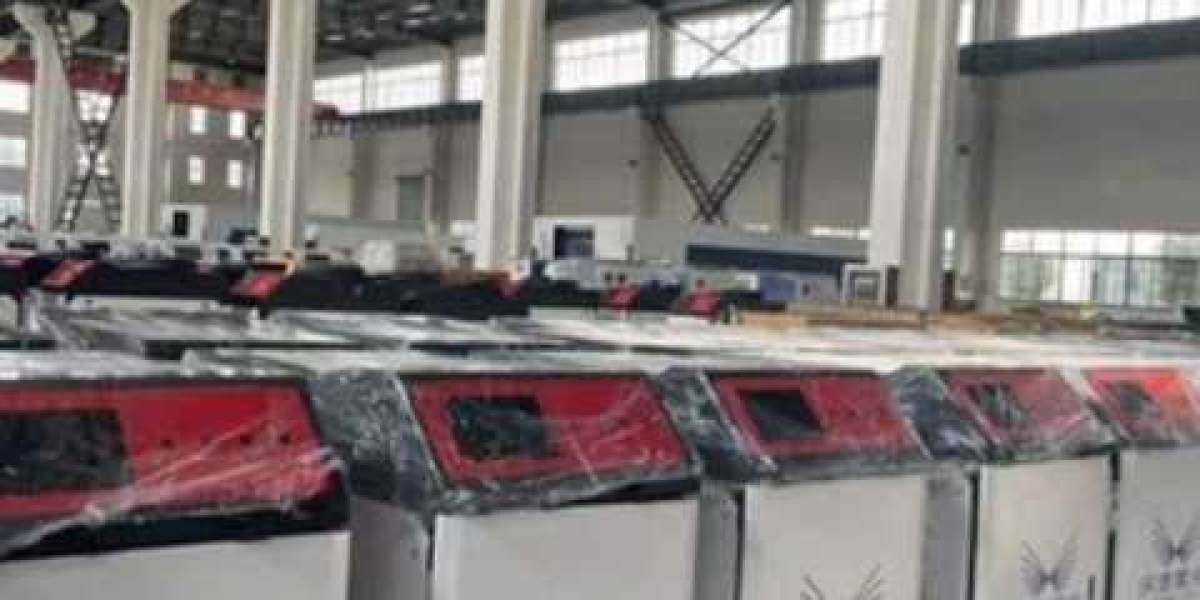

Aluminium is widely used in automotive manufacturing, aerospace, construction, electronics, and industrial equipment because it is lightweight, corrosion-resistant, and easy to shape. However, welding aluminium requires careful control due to its high thermal conductivity, reflective surface, and protective oxide layer. Modern laser welding technology offers an efficient solution for producing clean, precise, and consistent welds.
An aluminium laser welder is designed to join aluminium components using a concentrated laser beam. This technology helps manufacturers achieve accurate welds while maintaining control over heat input and minimizing unnecessary material distortion.
How Does Aluminium Laser Welding Work?
Laser welding uses a focused beam of high-energy light to melt aluminium at the joint. As the molten metal cools, it forms a strong connection between the workpieces. Depending on the application, the process can be performed using handheld equipment or an automated laser welding system.
Fiber laser technology is commonly used for industrial metal welding because it delivers concentrated energy to the workpiece. Before welding begins, operators must prepare the aluminium surface, select suitable parameters, and ensure that the joint is properly aligned.
An aluminium laser welder can be used for different aluminium thicknesses, provided that the laser power, welding speed, focus position, and shielding gas are correctly matched to the material.
Applications of Aluminium Laser Welding
Laser welding supports a wide range of manufacturing operations. Its suitability depends on the aluminium alloy, component design, required weld strength, and production environment.
Automotive Manufacturing
Automotive manufacturers use aluminium components to reduce vehicle weight and support fuel efficiency or electric vehicle performance. Laser welding can join battery enclosures, structural parts, housings, and other aluminium assemblies when the process is properly qualified.
Aerospace Components
The aerospace industry uses lightweight aluminium alloys in selected structural and equipment applications. Laser welding can provide precise joints for suitable components, subject to strict material, inspection, and quality requirements.
Electronics and Electrical Equipment
Aluminium housings, heat-management components, and electrical enclosures may require accurate welding with limited distortion. Carefully controlled laser welding helps manufacturers produce neat joints for these applications.
Industrial Fabrication
From machine frames to aluminium cabinets and custom metal products, laser welding provides manufacturers with another option for joining components. It is particularly useful when repeatability and controlled heat input are important.
Choosing the Right Aluminium Laser Welder
Selecting the correct equipment begins with understanding your production requirements. Consider the thickness of the aluminium, the type of alloy, the shape of the workpiece, and the expected daily workload.
Laser power is an important consideration because thin sheets and thicker components may require different energy levels. Welding speed, wire-feeding requirements, cooling capacity, and the availability of suitable welding heads should also be evaluated.
An aluminium laser welder should be compatible with your intended materials and welding process. Ask suppliers for sample welds using your actual workpieces before making a purchasing decision. This helps you assess weld appearance, penetration, strength, and consistency.
For businesses handling multiple metals, a configurable fiber laser welding system may be worth considering, provided that it supports the required aluminium alloys and thicknesses.
Tips for Achieving High-Quality Aluminium Welds
Proper preparation is essential for reliable results. Aluminium naturally develops an oxide layer that melts at a much higher temperature than the underlying metal. Cleaning the joint with an appropriate method before welding helps reduce contamination and improve consistency.
Operators should also maintain accurate joint alignment and use suitable shielding gas to protect the molten metal from atmospheric contamination. Welding parameters must be adjusted according to the alloy, thickness, and joint geometry.
Regular equipment maintenance, operator training, and inspection procedures help maintain production quality. For safety, follow the equipment manufacturer's instructions and use appropriate laser enclosures, protective eyewear, ventilation, and other required controls.
Is Aluminium Laser Welding Right for Your Business?
Laser welding can be a practical investment for manufacturers seeking precise aluminium joining and repeatable production. However, the best solution depends on production volume, material specifications, budget, and the quality standards required by customers.
Before purchasing equipment, compare supplier support, warranty coverage, spare-part availability, training, and after-sales service. Request a demonstration and evaluate the results against your current welding process.
Final Thoughts
Aluminium welding requires precision, suitable equipment, and a clear understanding of material behavior. A modern aluminium laser welder can help businesses improve welding consistency and manufacture clean, accurate joints across various industrial applications. By selecting the right laser system, preparing materials correctly, and maintaining appropriate operating parameters, manufacturers can develop a reliable aluminium welding process that supports long-term production goals.






