
Horse owners, breeders, trainers, and equine professionals continually look for practical ways to support horse comfort and overall wellness. Alongside proper nutrition, exercise, rest, and veterinary care, light-based technology has attracted growing interest as a potential addition to equine care routines. Understanding the available equipment and its intended use can help horse owners make informed decisions about modern light therapy solutions.
Understanding LED Light Therapy for Horses
LED light therapy uses light-emitting diodes to deliver specific wavelengths of light. Depending on the device, this may include red light and near-infrared light, which are studied for their potential biological effects. However, results can vary according to the wavelength, light intensity, treatment duration, application area, and individual horse.
An LED horses therapy light may be considered by equine professionals exploring light-based equipment for a structured wellness routine. The appropriate device depends on its design, technical specifications, and intended application.
Light therapy should not be viewed as a guaranteed treatment for injury, inflammation, or disease. It should complement—not replace—professional veterinary assessment and appropriate medical care.
Potential Advantages of Equine Light Therapy Equipment
Light-based devices can offer practical features for horse-care environments when used according to the manufacturer's instructions.
1. Targeted Light Application
Depending on its design, a device may allow light to be directed toward a selected area. The treatment area and positioning requirements should always be checked before use.
2. Flexible Equipment Designs
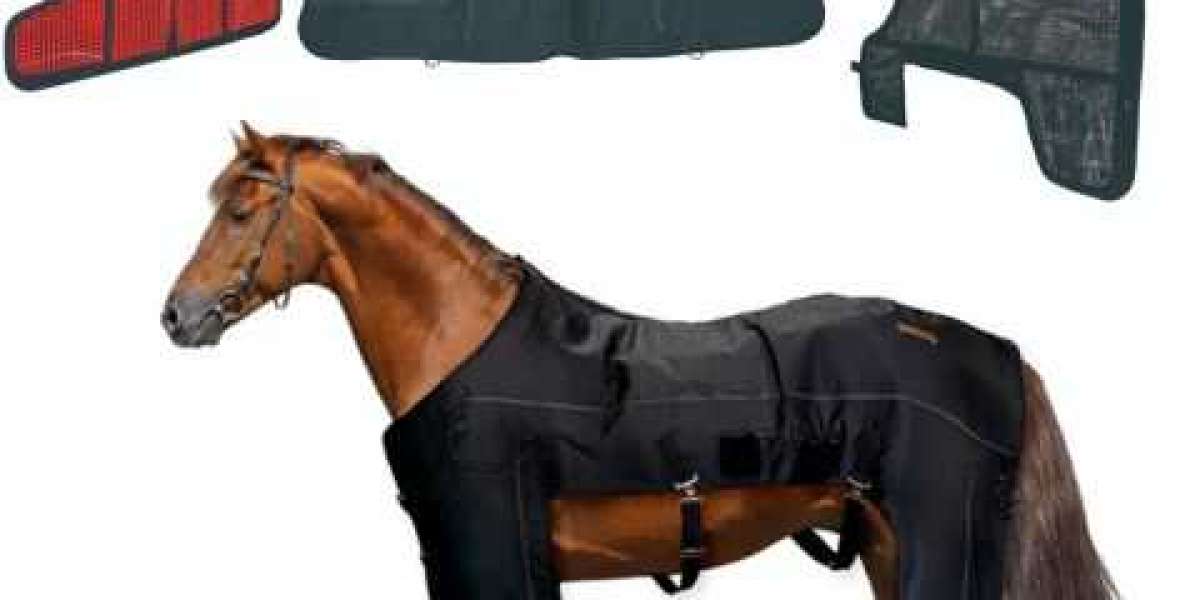
Equine light therapy products may come in different formats, including pads, panels, and other application-specific devices. Each design offers different handling and coverage characteristics, so buyers should choose equipment suited to their intended use.
3. Integration into Care Routines
When a veterinarian considers it appropriate, light therapy equipment may be incorporated into a broader care plan. Consistent recordkeeping and observation can help horse owners discuss changes with their veterinary professional.
4. Modern Technology for Equine Facilities
Professional stables, training centers, and equestrian businesses may explore light-based equipment as part of their interest in developing more comprehensive animal-care practices.
How to Choose the Right LED Horse Therapy Light
Before purchasing a device, evaluate its technical details carefully. Start by checking the wavelengths, irradiance, power output, treatment area, and recommended session duration. These specifications help buyers understand what the device delivers and how it is intended to be used.
Durability and ease of handling are also important. Consider the materials, cleaning instructions, power supply, cable arrangement, and storage requirements. Equipment used in busy stables should be practical to maintain and operate safely around animals.
Ask the supplier for clear operating instructions, warranty information, and relevant product documentation. Avoid assuming that all LED devices produce the same results or are appropriate for every equine condition.
If a horse shows sudden lameness, unusual swelling, an open wound, or persistent discomfort, consult a veterinarian before attempting light-based treatment.
Explore LED Light Therapy Solutions from SinocoLED
SinocoLED provides information about LED light therapy technology for buyers interested in exploring light-based equipment. Its product information can serve as a starting point for evaluating available solutions and understanding whether their specifications match a particular project or care requirement.
Horse owners and equine professionals should prioritize suitable product design, clear technical information, responsible application, and veterinary guidance when evaluating equipment.
Supporting Responsible Horse Wellness
Technology can contribute to the range of tools considered in modern equine care, but a horse's well-being still depends on appropriate nutrition, exercise, rest, observation, and professional care. By researching LED therapy devices carefully and using them responsibly, horse owners can make better-informed decisions about their equine wellness routines.