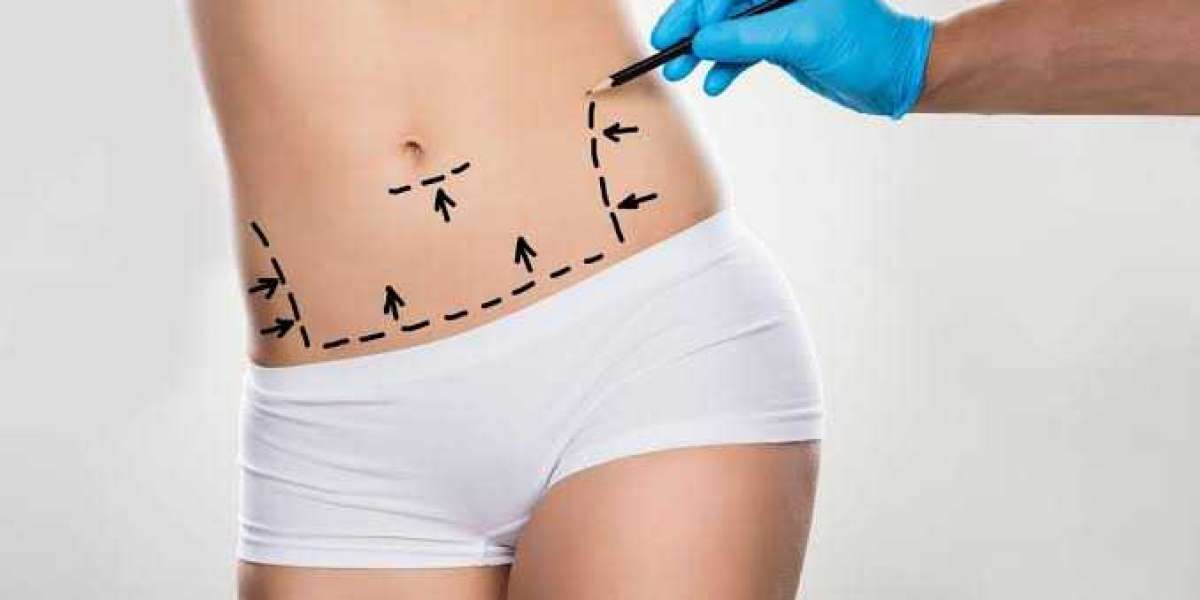

Liposuction is a surgical body-contouring procedure used to remove localized fat deposits from specific areas of the body. Unlike general weight-loss methods, it focuses on areas where stubborn fat may remain despite healthy eating and regular physical activity. By reducing targeted fat, liposuction can help create more defined and balanced body contours.
For people considering Liposuction in Riyadh, understanding the essential facts about the procedure can help with realistic expectations and treatment planning. From suitable treatment areas and surgical techniques to recovery and aftercare, several factors should be considered before deciding on treatment.
What Is Liposuction?
Liposuction is a cosmetic surgical procedure that removes excess fat from selected areas using a thin tube called a cannula. The cannula is inserted through small openings in the skin and connected to a suction system that removes targeted fat.
The procedure can be performed on different parts of the body depending on the individual's anatomy and treatment goals. Common areas include the abdomen, waist, hips, thighs, arms, back, chin, and neck.
Liposuction is primarily intended for body contouring rather than overall weight reduction.
How Does Surgical Fat Removal Work?
Before the procedure, the surgeon identifies and marks the areas that require treatment. The selected area is then prepared according to the planned surgical technique and anesthesia.
Small openings are made in the skin, allowing the cannula to reach the underlying fat. The surgeon carefully moves the cannula through the treatment area while removing controlled amounts of fat.
The process is designed to improve the shape and proportions of the treated area rather than simply remove as much fat as possible. Careful fat removal can help create smoother transitions between treated and untreated areas.
Common Areas for Liposuction
Liposuction can be used to address localized fat deposits in several areas. Common treatment locations include:
- Abdomen
- Waist and flanks
- Hips
- Thighs
- Upper arms
- Back
- Chin
- Neck
- Knees
- Calves
- Chest
The appropriate treatment areas depend on the individual's body structure, fat distribution, skin condition, and desired outcome.
Liposuction Is Not a Weight-Loss Treatment
One of the most important facts about liposuction is that it is not designed to treat obesity or provide general weight loss.
A person may lose some weight after fat removal, but the main purpose of the procedure is to reshape specific areas of the body. It is generally considered when localized fat deposits remain despite lifestyle efforts.
Patients should therefore approach liposuction with body-contouring goals rather than expecting it to replace a healthy diet or exercise program.
Who May Be a Candidate?
Liposuction may be considered for adults who are generally healthy, maintain a relatively stable weight, and have localized fat deposits that they would like to reduce.
Suitable candidates may have:
- Localized areas of stubborn fat
- Relatively stable body weight
- Reasonable skin elasticity
- Realistic expectations
- An understanding of the surgical process
- Willingness to follow postoperative instructions
A medical consultation is necessary to determine whether liposuction is appropriate for an individual.
Different Liposuction Techniques
Several liposuction techniques are available, and the appropriate method can depend on the treatment area and individual requirements.
Traditional Suction-Assisted Liposuction
Suction-assisted liposuction uses a cannula connected to a vacuum system to remove fat. The surgeon moves the cannula carefully through the targeted area to achieve the planned contour.
It remains one of the commonly used approaches for localized fat removal.
Power-Assisted Liposuction
Power-assisted liposuction uses a mechanically powered cannula to assist with fat removal. The movement of the cannula can make it easier to work through certain areas and may be considered for larger or more fibrous fat deposits.
Ultrasound-Assisted Liposuction
Ultrasound-assisted liposuction uses energy to help loosen or emulsify fat before it is removed. It may be considered for certain treatment areas where additional assistance is useful.
Laser-Assisted Liposuction
Laser-assisted liposuction uses laser energy as part of the fat-removal process. The technique may be selected depending on the patient's treatment requirements and the surgeon's preferred approach.
The use of a particular technique does not guarantee a specific result. Treatment should be customized according to the individual's anatomy and goals.
The Importance of Skin Elasticity
Skin elasticity is an important factor when considering surgical fat removal. After fat is removed, the skin needs to adapt to the new underlying contours.
People with good skin elasticity may experience smoother adaptation. However, if there is significant loose or excess skin, liposuction alone may not address the concern.
During consultation, the surgeon can assess skin quality and discuss whether another or additional body-contouring procedure may be appropriate.
Preparing for Liposuction
Preparation begins with a detailed consultation. Patients should provide information about their medical history, previous surgeries, allergies, medications, and supplements.
The surgical team may recommend certain medical evaluations or tests before treatment. Patients may also receive instructions regarding medications, smoking, food, drinks, and other activities before surgery.
It is important to follow personalized preoperative instructions carefully.
What Happens During the Procedure?
The treatment area is usually marked before surgery to guide the planned fat removal. Anesthesia is then administered according to the surgical plan.
The surgeon makes small openings and inserts the cannula into the targeted fat layer. Controlled movements are used to remove fat while maintaining attention to body proportions.
The duration of the procedure depends on the number of areas being treated and the amount of fat being removed.
What to Expect After Liposuction
Some swelling, bruising, tenderness, and temporary changes in sensation are common during recovery. These effects generally improve gradually.
Compression garments may be recommended to help manage swelling and support the treated areas during healing.
Patients should follow their surgical team's instructions regarding wound care, medication, movement, exercise, and follow-up appointments.
Liposuction Recovery Timeline
Recovery varies depending on the extent of treatment and the individual's healing process.
During the first several days, patients may experience discomfort, swelling, and bruising. Light movement may be encouraged, while strenuous activities are generally restricted during the early recovery period.
Many people gradually return to work and normal daily activities as their recovery progresses. More demanding physical activities should only be resumed according to the surgical team's instructions.
Swelling can continue to decrease for several weeks or months, meaning the final contour may not be immediately visible after surgery.
When Will You See the Results?
Liposuction results develop gradually. Immediately after treatment, swelling can make the treated area appear different from its eventual shape.
As the swelling decreases and the tissues settle, the body's contours become more apparent. Final results may take several months to fully develop.
Maintaining a stable weight can help support the long-term appearance of the treated areas.
Are Liposuction Results Permanent?
The fat cells removed during liposuction are permanently removed from the treated area. However, liposuction does not prevent future weight gain.
If a person gains significant weight after treatment, remaining fat cells can increase in size and alter body proportions. For this reason, maintaining a balanced lifestyle is important for preserving the results.
Potential Risks and Side Effects
Liposuction is a surgical procedure and therefore involves potential risks. Temporary effects can include:
- Swelling
- Bruising
- Tenderness
- Numbness
- Temporary changes in skin sensation
- Fluid accumulation
More serious complications can also occur, although they are less common. These may include infection, bleeding, contour irregularities, blood clots, reactions to anesthesia, and other surgical complications.
A thorough consultation allows patients to discuss their individual risk factors and understand the precautions involved.
Liposuction and Body Contouring
The purpose of liposuction is not simply to remove fat but to improve body proportions. For example, treating the abdomen and waist together may create a different contour than treating the abdomen alone.
Modern treatment planning considers the relationship between neighboring areas to create smoother and more balanced results.
This is why an individualized assessment is important before deciding which areas should be treated.
How to Prepare for Treatment
Good preparation can make the treatment process more organized. Before surgery, patients should:
- Attend a detailed consultation
- Discuss their medical history
- Provide a complete medication list
- Follow preoperative instructions
- Avoid smoking if advised
- Arrange transportation after surgery
- Prepare a comfortable recovery space
- Arrange assistance if necessary
- Understand the expected recovery process
Patients should also have realistic expectations about the changes that liposuction can provide.
Choosing Liposuction in Riyadh
When considering Liposuction in Riyadh, it is important to understand that treatment should be personalized according to the individual's body shape, fat distribution, skin elasticity, health, and aesthetic goals.
A consultation provides an opportunity to discuss suitable treatment areas, surgical techniques, expected recovery, possible risks, and long-term maintenance.
Understanding these factors before treatment can help patients approach surgical fat removal with greater clarity.
FAQs
1. Is liposuction the same as weight loss?
No. Liposuction is primarily a body-contouring procedure that removes localized fat. It is not intended to replace weight-loss methods or treat obesity.
2. Which areas can be treated with liposuction?
Common areas include the abdomen, waist, hips, thighs, arms, back, chin, neck, knees, and other areas with localized fat deposits.
3. Does liposuction permanently remove fat?
The fat cells removed from treated areas are permanently removed. However, remaining fat cells can enlarge if significant weight is gained after treatment.
4. How long does liposuction recovery take?
Recovery varies depending on the treatment area and amount of fat removed. Swelling and bruising can continue for several weeks, while final contour changes may take several months to develop.
5. Can liposuction remove loose skin?
Liposuction primarily removes fat and does not directly remove significant excess skin. Patients with considerable skin laxity may need to discuss other body-contouring options.
6. Is liposuction suitable for everyone?
No. Suitability depends on factors such as overall health, weight stability, skin elasticity, fat distribution, medical history, and individual expectations.






