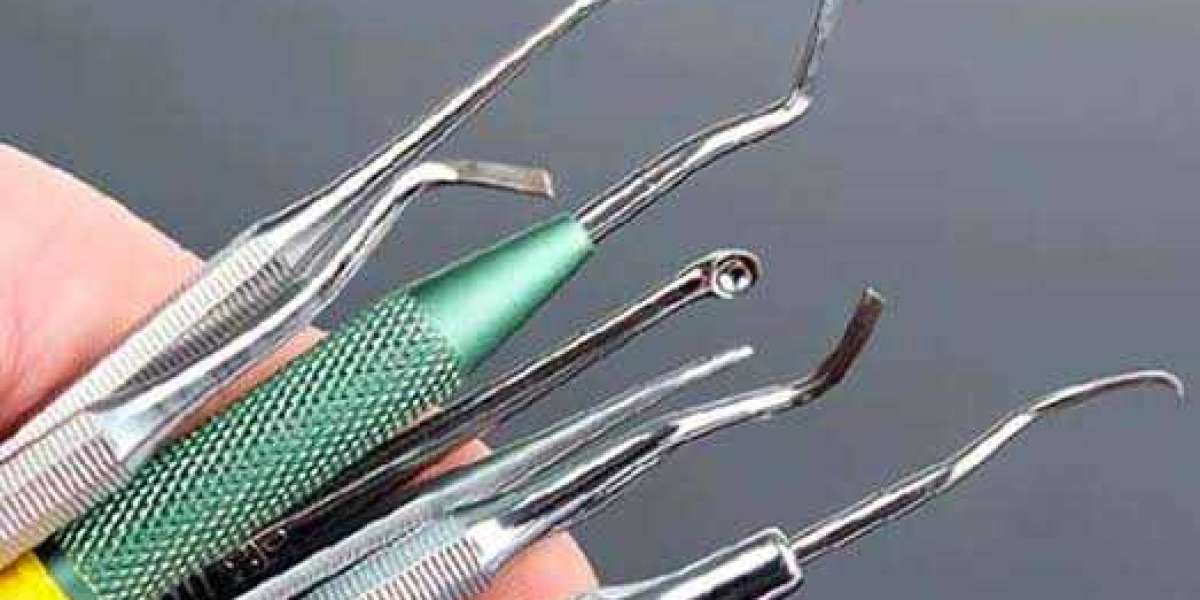

The Ultimate Guide to Dental Instruments in the US: Market Trends Buying Insights
The dental industry in the United States is a dynamic and technologically advanced sector, built on the foundation of high-quality, reliable dental instruments. For dental professionals, from solo practitioners to large Dental Service Organizations (DSOs), choosing the right instruments is a critical decision that impacts everything from diagnostic accuracy and procedural efficiency to patient comfort and overall practice profitability.
The US market offers a vast array of dental instruments, driven by continuous innovation, a focus on ergonomics, and a growing emphasis on digital dentistry. Whether you are looking for diagnostic tools, hygiene instruments, endodontic files, or restorative equipment, understanding the current market landscape and key trends is essential for making informed purchasing decisions.
The Current State of the Dental Instruments Market in the US
The US dental instruments market is a significant and growing sector within the global healthcare industry. Valued at over $6 billion, it represents the world's largest market for dental equipment and supplies . This growth is fueled by a combination of factors, including an aging population, increasing awareness of oral health, and the continuous adoption of cutting-edge technology in dental practices .
A notable trend is the rapid consolidation of dental practices into larger groups and DSOs. These organizations are fundamentally reshaping the procurement landscape. Unlike individual practices that might prioritize brand loyalty, DSOs focus on value-based purchasing, emphasizing total cost of ownership, standardized protocols, and scalable service support . This shift is driving demand for high-quality, cost-effective instruments and bulk purchasing options.
Key Segments of the Dental Instruments Market
The market is segmented based on the type of instrument and its application. Understanding these segments helps practitioners identify the right tools for their specific needs .
Diagnostic Instruments: These are the most frequently used tools in any dental practice, holding the largest revenue share in the market . They include mirrors, explorers, and probes, which are essential for routine check-ups and the early detection of oral diseases . Continuous innovation in materials and design is making these tools more durable and easier to use.
Hygiene Instruments: A dominant and growing segment, driven by a global focus on preventive dental care . This category includes manual scalers and curettes, as well as powered instruments like ultrasonic scalers. The market is seeing a shift toward single-use or disposable instruments to eliminate reprocessing costs and ensure consistent performance .
Endodontic Instruments: This segment is experiencing the fastest growth, fueled by the high prevalence of dental caries and the need for root canal treatments . Innovations like nickel-titanium (NiTi) rotary files and motors have significantly improved the precision and efficiency of procedures .
Restorative and Surgical Instruments: This broad category includes a wide range of tools used for procedures like fillings, crowns, and oral surgery, including handpieces, burs, and surgical kits .
Major Trends Shaping the Future of Dental Instruments
Several key trends are influencing the design, development, and purchase of dental instruments in the US.
1. The Rise of Digital Dentistry and Integration
Digital dentistry is no longer a futuristic concept but a current reality. Instruments are increasingly being designed to integrate seamlessly with digital workflows, including intraoral scanners, CAD/CAM systems, and 3D printers. This integration allows for more precise, faster, and more predictable treatment outcomes. For example, endodontic motors now feature integrated apex locators and preset instrument libraries, making procedures more efficient and reducing the risk of errors .
2. Focus on Ergonomics and Practitioner Wellness
The physical toll of dentistry is a significant concern. There is a growing demand for instruments designed with a focus on ergonomics to reduce the risk of musculoskeletal disorders (MSDs). This includes lightweight, balanced designs, adaptive grips, and features like "cruise control" on powered scalers that eliminate the need for constant foot pressure, reducing operator strain and fatigue .
3. The "Consumabilization" of Instruments
There is a pronounced shift toward single-use or disposable instruments, particularly in hygiene and endodontics. This trend is driven by several factors: the need to eliminate the costs and risks associated with reprocessing, a guarantee of consistent sharpness and performance, and the mitigation of cross-contamination risks . While this increases per-procedure costs, many large practices and DSOs find the benefits outweigh the expenses .
How to Choose the Right Dental Instruments
Selecting the right instruments can be a daunting task given the plethora of options. Here are a few key considerations for dental professionals.
Quality vs. Cost
The market offers instruments at various price points. There is a discernible difference between premium OEM (Original Equipment Manufacturer) instruments and distributor or value-brand alternatives .
Premium Instruments: Tools from established manufacturers like Hu-Friedy are often seen as the gold standard. They typically use higher-grade stainless steel, offer superior sharpness and durability, and feature more advanced designs. A single Hu-Friedy curette is an example of a premium instrument, offering a long-lasting cutting edge that can be sharpened many times .
Value-Tier Instruments: These are often private-label products from major distributors like Henry Schein. While they may not have the same longevity or initial sharpness as premium brands, they offer significant cost savings. A Henry Schein curette is a representative example of a value-tier instrument that provides good quality at a more accessible price point . Many practices use a combination of both, reserving premium instruments for critical procedures.
The Impact of DSOs on Pricing
The growth of DSOs has created a two-tiered pricing structure in the market .
| Buyer Profile | Purchasing Strategy | Instrument Tier Preference | Typical Discount from List Price |
|---|---|---|---|
| Independent Practices | Often prioritize brand loyalty, clinical performance, and relationships with local reps. | Mix of Premium and Value-tier, depending on the procedure and budget. | 0-15% |
| Dental Service Organizations (DSOs) | Centralized, standardized, and data-driven procurement. Focus on total cost of ownership. | Primarily Value-tier, volume-purchased, with agreements on service and standardization. | 25-40% |
Understanding the Total Cost of Ownership
Beyond the initial price, consider the total cost of ownership. A high-quality premium instrument might cost more upfront but last significantly longer and hold a sharper edge, reducing replacement frequency and improving efficiency . For single-use instruments, the per-unit cost is the primary factor, but must be weighed against the convenience and safety they offer.
The Importance of a Reliable Supply Chain
A significant portion of dental instruments and supplies in the US is imported . While Germany is the largest supplier of premium capital equipment, China is a major source for a wide array of supplies and value-tier instruments . This reliance on global supply chains introduces a need for careful supplier selection to ensure product quality, consistency, and timely delivery. A resilient and diversified supply chain is a critical factor for success .
Conclusion
The landscape of dental instruments in the United States is evolving rapidly. From the rise of digital workflows and ergonomic designs to the market-shaping influence of DSOs, understanding these trends is crucial for any dental professional. By staying informed about market dynamics, quality tiers, and the factors driving innovation, practitioners can make strategic decisions that enhance patient care, improve practice efficiency, and ensure long-term success.
FAQs About Dental Instruments in the US
What are the most common types of dental instruments?
The most common are diagnostic instruments (mirrors, explorers, probes), hygiene instruments (scalers, curettes, ultrasonic tips), and restorative instruments (handpieces, burs, excavators).
How often should dental instruments be replaced?
It depends on the type. Single-use instruments are discarded after one patient. Reusable instruments should be sharpened regularly and replaced when they show signs of wear, rust, or damage, which can vary from several months to several years.
What is the difference between premium and value-tier instruments?
Premium instruments typically use higher-grade materials, offer better sharpness and longer durability, and are from well-known OEM brands. Value-tier instruments are more cost-effective and are often private labels from distributors, suitable for high-volume procedures where extreme longevity is less critical .
Why is there a trend toward single-use instruments?
The shift is driven by the desire to eliminate the time, cost, and infection risks associated with reprocessing. It also guarantees that every instrument is sharp and sterile, providing consistent performance .