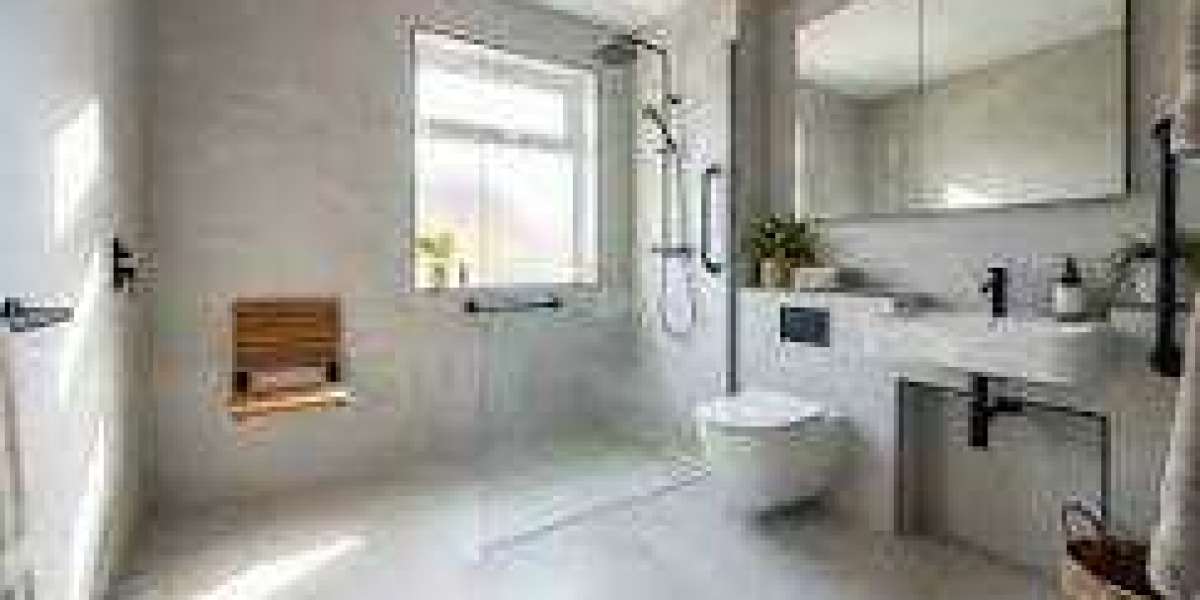

Designing a practical small disabled wet room layout is a fantastic step toward creating a safer, more open living environment in compact properties. Many homeowners believe that a tight bathroom layout cannot handle a fully accessible design. In reality, a walk-in layout is the perfect choice for limited spaces because it removes bulky bathtubs and traditional shower enclosures. By waterproofing the entire area, you turn the restricted floor plan into an open, highly functional showering space that accommodates mobility aids perfectly.
A successful compact layout relies on smart drainage placement and level floor design. We position a high-capacity linear drain along the back wall to pull running water away from the entry door efficiently. Our team applies professional tanking membranes underneath the floor to stop moisture from entering the sub-floor materials. We install textured safety flooring to provide a dependable grip for bare feet and mobility frames alike. This setup ensures that every single square inch of the room remains completely stable and secure during your daily wash routine.
We focus on space-saving fixtures to make the layout work perfectly in tight environments. Wall-mounted sinks provide excellent clearance underneath for wheelchair users, while floating toilets keep the floor completely clear. We use clear glass screens that fold back against the wall when not in use to maximize your walking paths and keep the room looking bright and open. We position ergonomic grab rails next to the toilet and shower to help you maintain your balance naturally. Our experienced UK team manages the full renovation to deliver a reliable bathroom environment.


Popular Posts





